
Introduction
Have you ever reached the end of the day feeling like you were running the entire time but accomplished nothing? Woke up with your to-do list weighing on your mind even before your first coffee? If this sounds familiar, you’re not alone. Everyday stress is one of the most shared experiences of modern life — and in 2026, with increasingly blurred lines between work, personal life, and omnipresent screens, this challenge has become even more prevalent for many people.
Stress itself is not an enemy. From a biological standpoint, it is a natural response of the body to situations perceived as threats or challenges. The problem arises when this state of alert becomes continuous, without recovery breaks. When the body and mind can’t “switch off,” signs start to appear: difficulty sleeping, irritability, muscle tension, difficulty concentrating, and a persistent feeling of exhaustion.
This article gathers evidence-based strategies that can help manage daily stress better. They do not replace professional health care — and throughout the text, we’ll remind you when seeking this support is essential. The goal here is to offer accessible, honest, and welcoming information so you can make more informed decisions about your well-being.
What Happens in the Body When We Are Stressed
When we perceive a situation as stressful, the brain activates a chain of physiological responses. The hypothalamus signals the adrenal glands, which release hormones like cortisol and adrenaline. This cascade is known as the “fight or flight” response — it increases heart rate, tenses muscles, and sharpens the senses. In specific situations, it is extremely useful.
The problem, according to the World Health Organization (WHO), is when this state of activation extends for weeks or months. Chronic stress is associated with a range of negative health impacts, including changes in the immune system, sleep, mood, and cardiovascular function. This doesn’t mean that all stress leads to illness — but it’s a sign that the body needs attention and care.
Understanding this mechanism helps treat stress with the seriousness it deserves, without catastrophizing or minimizing.
Everyday Strategies That Often Make a Difference
There is no single formula that works the same for everyone. What scientific literature points out is that a set of habits, practiced regularly, often contributes to reducing the intensity of perceived stress. Check out some approaches that studies suggest have a positive impact.
Regular Physical Movement
Physical activity is one of the most studied interventions in stress management. Research suggests that regular exercise can help reduce cortisol levels and stimulate the release of endorphins and other neurotransmitters related to well-being. You don’t need to start with intense workouts: walking, stretching, dancing, swimming, or any enjoyable movement can make a difference.
The general WHO recommendation for adults is at least 150 minutes of moderate activity per week — but the most important thing is to find something you can maintain regularly. Consult a doctor or fitness professional before starting a new routine, especially if you have any health conditions.
Breathing Techniques and Mindfulness
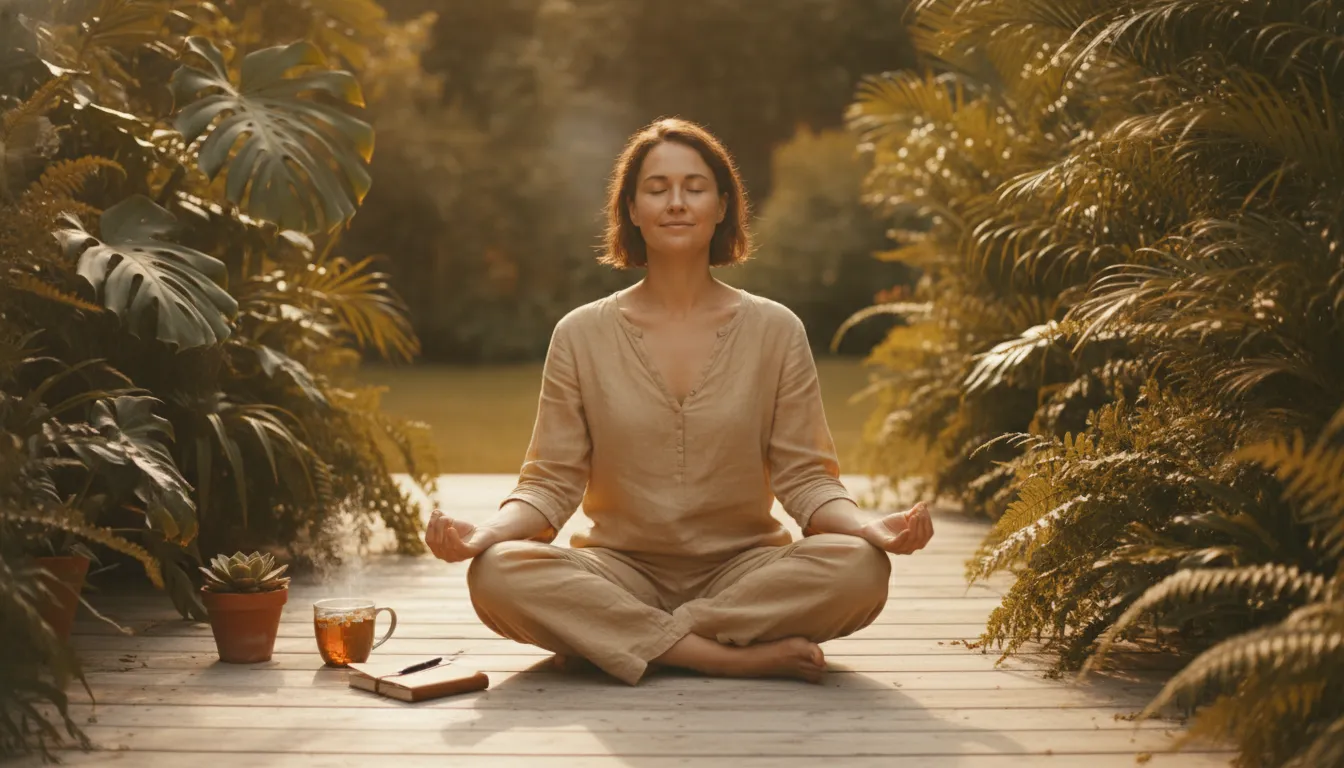
Breathing is one of the few body functions we can consciously control — and this makes it a powerful tool. Simple diaphragmatic breathing techniques (breathing with the belly, not just the chest) are studied as ways to activate the parasympathetic nervous system, which promotes a sense of calm.
The practice of mindfulness — which involves paying attention to the present moment without judgment — is also positively evaluated in various scientific reviews in the context of stress reduction. Programs like MBSR (Mindfulness-Based Stress Reduction) have been studied in clinical settings with promising results. Free apps and videos are available for those who want to try it, but it’s important to remember that this practice does not replace treatment when there is a diagnosis of anxiety or other disorders.
Prioritizing Sleep, Not Treating It as a Luxury
Stress and sleep have a bidirectional relationship: stress disrupts sleep, and sleep deprivation amplifies the stress response. Taking care of sleep quality is, therefore, a central part of stress management.
Some sleep hygiene practices that studies often recommend include:
- Keeping regular sleep and wake times
- Avoiding blue light screens (phone, tablet, TV) at least 30 to 60 minutes before sleeping
- Creating a dark, quiet, and comfortably cool environment
- Avoiding caffeine in the afternoon and evening
If you want to understand better how much sleep is recommended for each life stage, check out our article How Much Sleep Do You Need at Each Stage of Life?.
Nutrition and Stress: What We Know
The relationship between nutrition and mental health is a growing field of research. Studies suggest that a balanced diet — rich in vegetables, fruits, legumes, whole grains, and quality proteins — can contribute to mood and energy balance throughout the day.
Conversely, dietary patterns high in refined sugar, ultra-processed foods, and excessive caffeine may be associated with mood swings and increased irritability.
There is no “anti-stress diet” with guaranteed results, but taking care of what you eat is a way to respect your own body. To delve deeper into the benefits of natural foods, you can read Why Fruits and Vegetables Are Good for Your Body.
Remember: significant dietary changes should be guided by a nutritionist.
Social Connection and Emotional Support
We are relational beings. The quality of our relationships directly affects how we process stress. Talking to trusted people — friends, family, colleagues — about what we are feeling can help put problems into perspective and make us feel less alone facing them.
This doesn’t mean you need to “vent” all the time or overwhelm those around you. It’s about cultivating genuine bonds: a lunch with a friend, a call to someone you admire, or simply accepting help when someone offers.
In an increasingly digital world, it’s easy to confuse online connection with real connection. Research indicates that face-to-face interactions tend to have a more profound effect on emotional well-being than purely virtual exchanges — although digital tools also have their value, especially when distance separates loved ones.
Organization and Boundaries: The Role of the Environment
Often, stress has practical roots: too many tasks, difficulty saying “no,” lack of structured breaks. Some personal organization strategies that studies in organizational psychology often associate with a greater sense of control include:
- Listing tasks by priority, separating what is urgent from what is important
- Taking intentional breaks during work (the Pomodoro technique, for example, suggests short breaks after focus blocks)
- Establishing digital disconnection times, especially from emails and work apps
- Learning to delegate when possible
- Practicing saying “no” gently but firmly when the demand exceeds your capacity
These habits may seem simple, but they require practice and often a process of self-awareness — which therapy can help deepen.
When to Seek a Health Professional
Self-care strategies are valuable, but there are signs that stress may have surpassed what can be resolved with habit changes. Consider seeking professional support if you notice:
- Persistent difficulty sleeping for weeks or months
- Frequent feelings of sadness, hopelessness, or intense irritability
- Physical symptoms without identified organic cause (frequent headaches, chronic muscle tension, recurring digestive problems)
- Difficulty concentrating that affects work or studies
- Progressive social isolation
- Feeling “can’t take it anymore” or disturbing thoughts
Psychologists and psychiatrists are professionals trained to evaluate and support you individually. You don’t need to wait for a crisis to seek help — taking care of mental health is as important as taking care of physical health.
If you are experiencing intense distress or thoughts of self-harm, know that help is available. In Brazil, the CVV (Centro de Valorização da Vida) is available at 188, free of charge, 24 hours a day. In case of emergency, seek immediate assistance at an emergency room or UPA.
Conclusion

Managing stress is largely a process of self-discovery and habit-building. There is no perfect path or single recipe — and it’s okay if some strategies work better for you than others. The most important thing is to start paying attention to what your body and mind are communicating, without judgment.
Small changes, practiced consistently, can contribute to a life with more balance and less overload. Take care of yourself with kindness, seek support when needed, and remember: asking for help is not a weakness — it’s emotional intelligence.
This content is for informational and educational purposes only. It does not replace evaluation, diagnosis, or treatment by a qualified health professional. Always consult a doctor, psychologist, or other qualified professional for specific guidance to your case.