
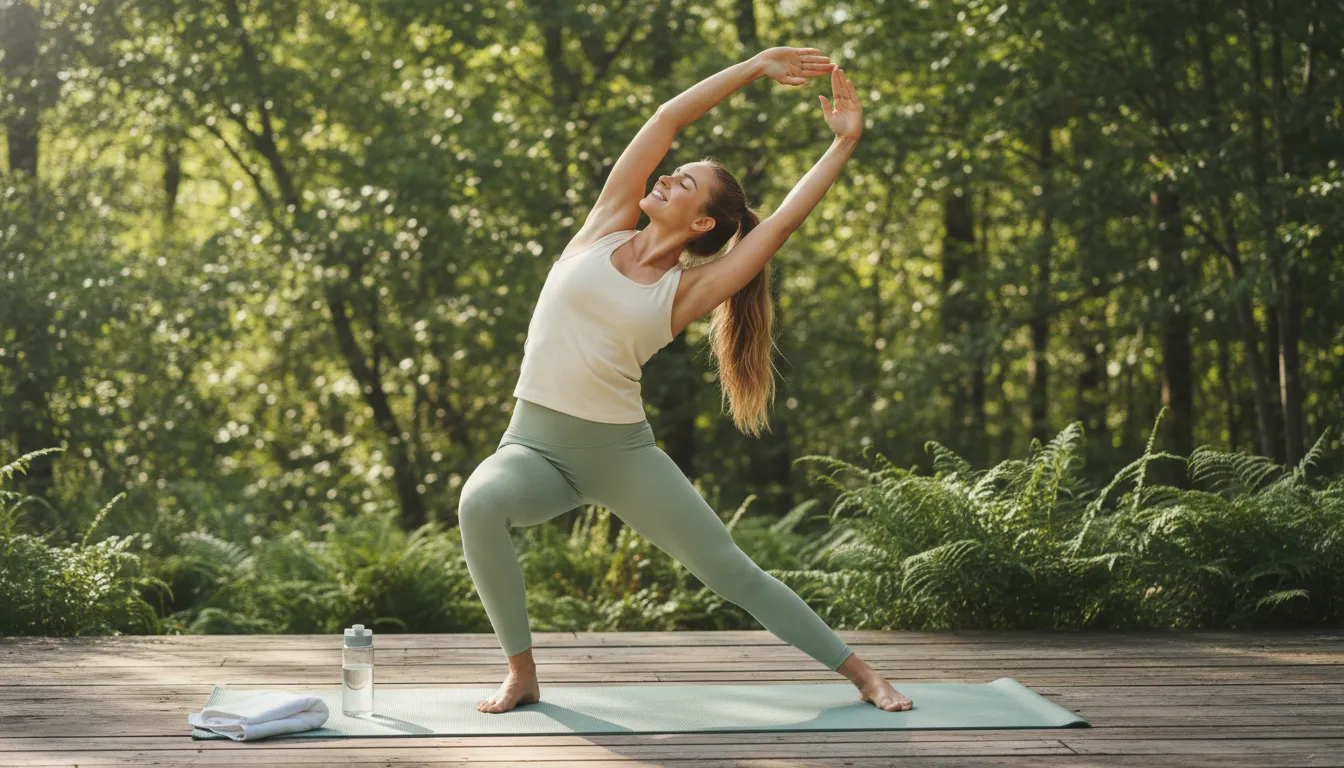
Taking the First Step is Simpler Than It Seems
Have you ever thought about starting to exercise but froze before even tying your sneakers? Maybe the gym seems intimidating, time is short, your body isn’t “ready,” or you simply don’t know where to start. This feeling is more common than it seems — and if you’re here, you’ve already taken an important step: seeking information.
The good news is that the science of movement is no longer reserved for athletes. Organizations like the World Health Organization (WHO) and Brazil’s Ministry of Health recognize that anyone, regardless of age, physical condition, or busy schedule, can benefit from incorporating more movement into their daily life. It’s not about transforming your life overnight, but about building a habit gradually, respectfully, and sustainably.
This guide is created for those starting from scratch — without judgments, impossible promises, or the pressure of quick results. Let’s talk about how to take the first steps safely, understand what your body needs, and above all, create a kinder relationship with movement.
Why is Movement Beneficial? What the Evidence Says
Before discussing how to start, it’s worth briefly understanding why. Regular physical activity contributes to various aspects of health, and this is well-documented in scientific literature.
Physically, studies suggest that regular exercise can help maintain cardiovascular health, strengthen muscles and bones, improve sleep quality, and aid in managing conditions like hypertension and type 2 diabetes — always in conjunction with appropriate medical guidance.
In terms of mental health, research indicates that movement can have positive effects on mood, anxiety levels, and overall quality of life. There is even an interesting relationship between exercise and stress reduction — something we explore in more depth in our article on how stress impacts physical health.
It’s important to clarify: these benefits are trends observed in populations, not individual guarantees. Every body is different, and it’s ideal to discuss with a health professional what makes the most sense for your reality.
How Much Exercise is Recommended?
WHO guidelines for adults aged 18 to 64 generally suggest:
- At least 150 to 300 minutes per week of moderate-intensity aerobic activity (like brisk walking), or
- 75 to 150 minutes per week of vigorous-intensity activity (like running or fast cycling), or
- An equivalent combination of both
- Additionally, it’s recommended to include muscle-strengthening activities at least twice a week
For those starting from scratch, these numbers may seem distant — and that’s okay. The starting point doesn’t have to be this. Any amount of movement is better than complete inactivity, and the increase should be gradual, respecting your body’s limits.
Step-by-Step Guide to Start Safely
Starting gradually is key to creating a lasting habit without injury or discouragement. Here’s a possible path:
- Assess your health before starting. Before beginning any exercise program, especially if you have a history of cardiovascular, respiratory, orthopedic, or other health conditions, talk to your doctor. A clinical evaluation helps identify possible restrictions and personalize the start of the practice.
- Choose an activity you enjoy (or at least don’t hate). Walking, dancing, swimming, cycling, yoga, weightlifting — there’s no “best” option for everyone. The best exercise is the one you can maintain. Experiment with different possibilities with curiosity.
- Start small and be consistent. Ten or fifteen minutes a day is already a valid start. The initial goal isn’t duration or intensity, but regularity. Creating the habit of moving comes before any performance goal.
- Warm-up before and cool down after. Taking a few minutes for gentle movements before the main activity helps prepare muscles and joints. At the end, gradually slowing down and doing light stretches aids recovery.
- Listen to your body. Feeling a healthy fatigue is normal. Acute pain, dizziness, intense shortness of breath, or persistent discomfort are signs that something needs attention. Don’t ignore what your body is communicating.
- Increase intensity or duration gradually. A widely used guideline by physical education professionals is the 10% rule: increase training volume by a maximum of 10% per week to reduce injury risk.
- Celebrate small achievements. Completed a week? Managed to walk longer? That matters. Real progress is usually discreet and consistent, not dramatic.
Types of Exercise: Understanding the Basics
To build a balanced routine, it’s common to talk about three major categories of movement:
Aerobic Exercises (Cardio)
These are activities that raise the heart rate sustainably: walking, running, cycling, swimming, dancing. They often contribute to heart and lung health and can help improve overall fitness.
Strength Exercises
Weightlifting, bodyweight exercises (push-ups, squats), pilates, and the like. They help preserve muscle mass — something especially relevant from age 30 onwards — and strengthen bones and joints.
Flexibility and Mobility
Yoga, stretching, and joint mobility practices. They contribute to range of motion, can help prevent injuries, and often have a relaxing effect on the nervous system. It’s worth mentioning that practices like mindfulness can also be integrated into movement as a way to increase body awareness during exercises.
Ideally, over time, your routine should include a bit of all three — but this doesn’t have to happen from day one.
Debunking Common Barriers
“I don’t have time.” Studies suggest that shorter exercise sessions, when added up throughout the day, also bring benefits. Taking stairs, walking to the bus stop, stretching during a work break — all of this counts.
“I can’t afford a gym.” A gym is an option, not a requirement. Walking outdoors, using public spaces, following free videos at home — there are many accessible ways to move.
“My body isn’t ready.” No body needs to be “ready” to start. The starting point is exactly where you are now. Adapting the activity to your current condition is part of the process.
“I’ve tried before and quit.” Giving up is part of learning. Restarting isn’t failing; it’s a choice you can make as many times as needed.
Movement and Mental Health: A Real Connection
The relationship between exercise and emotional well-being is a growing field of research. Studies suggest that physical activity can contribute to mood regulation and reduce symptoms of anxiety and mild depression in some people — although this doesn’t replace psychological or psychiatric treatment when necessary.
If you’re going through a difficult emotional time, movement can be an ally — but it doesn’t need to be a burden. On days when your body and mind feel heavy, a short walk or a few minutes of stretching is enough. And if the suffering is intense, seeking professional support is always the most important path.
When to Seek a Health Professional
Some situations indicate that it’s essential to talk to a doctor before starting or continuing exercise:
- History of heart disease, hypertension, diabetes, or respiratory problems
- Persistent joint, muscle, or bone pain
- Dizziness, disproportionate shortness of breath, or palpitations during exercise
- Pregnancy or recent postpartum
- Recent surgeries or injuries
- Any health condition you’re unsure about whether it’s compatible with a certain type of exercise
Besides the doctor, a physical education professional is responsible for prescribing and guiding training programs in an individualized and safe manner. Having this support makes a difference, especially at the beginning.
Conclusion: The Best Time is Now — At Your Own Pace

Starting to exercise from scratch doesn’t require perfection, expensive equipment, or an “ideal” body. It only requires the willingness to take one step at a time, respect your own limits, and patience with the process.
Movement is a form of care — for the body, the mind, and quality of life over the years. It doesn’t need to be grand to be real. A ten-minute walk today is already a start.
If you find it difficult to motivate yourself, remember that asking for help is a sign of strength, not weakness — whether to start an exercise routine with a physical education professional or to take care of emotional health with a psychologist or psychiatrist.
You don’t have to do this alone.
> This content is informative and educational, and does not replace the evaluation, diagnosis, or guidance of a health professional. Before starting any exercise program, especially if you have pre-existing health conditions, consult your doctor or another qualified professional.