

The Health Benefits of Eating Fruits and Vegetables
You’ve probably heard since childhood that you need to eat more fruits and vegetables. This advice transcends generations, cultures, and borders — and for good reason. Health organizations worldwide, such as the World Health Organization (WHO) and the Ministry of Health of Brazil, consistently emphasize the importance of these foods in a balanced diet. But why exactly are they so important? What is in an apple, a broccoli stalk, or a spinach leaf that makes all the difference?
The answer lies in a rich and complex combination of nutrients, fibers, and bioactive compounds that work together in your body. It’s not about a single magical “supervitamin,” but a set of elements that, when consumed regularly as part of a varied diet, often significantly contribute to the healthy functioning of the body. Nutritional science has advanced greatly in this area, and today we understand much more about the mechanisms through which these foods exert their effects.
In this article, we will explore in an accessible and evidence-based way what makes fruits and vegetables special, what benefits scientific studies associate with their regular consumption, and how you can incorporate them into your routine practically and without pressure. Remember: each person has a unique story, body, and needs. The information here is educational and general — for individualized guidance, consulting a nutritionist or doctor is always the safest path.
What Makes Fruits and Vegetables Special?
The nutritional composition of fruits and vegetables is remarkably diverse. Generally speaking, these foods are natural sources of:
- Vitamins such as vitamin C, folic acid (vitamin B9), vitamin A (in the form of beta-carotene), vitamin K, and other B-complex vitamins
- Minerals such as potassium, magnesium, calcium, and iron (in some dark green leaves)
- Dietary fibers, both soluble and insoluble
- Water, contributing to overall hydration
- Bioactive compounds, such as flavonoids, carotenoids, polyphenols, and glucosinolates — naturally occurring substances in vegetables associated with various protective functions in the body
This combination is difficult to replicate artificially. Isolated vitamin supplements, for example, generally do not reproduce all the effects observed with the consumption of the whole food — reinforcing the importance of prioritizing natural foods on the plate.
Cardiovascular Health: A Heart That Thanks You
One of the fields with the most evidence on the benefits of vegetable consumption is heart health. Large-scale observational studies, reviewed by researchers and published in recognized scientific journals, suggest that people who regularly consume more fruits and vegetables tend to have a lower risk of cardiovascular diseases.
The potassium found in bananas, oranges, avocados, and green leaves, for example, is associated with blood pressure regulation. Soluble fibers — found in oats, apples, pears, and legumes — often contribute to balancing cholesterol levels. The antioxidants and anti-inflammatory compounds present in berries, tomatoes, and dark leafy vegetables are also studied for their potential influence on vascular health.
It’s important to note: these findings do not mean that eating fruits “cures” heart diseases. They indicate that, as part of a healthy lifestyle, these foods can help protect the heart over time.
Healthy Gut: The Role of Fibers
Dietary fibers are key players when it comes to intestinal health. Fruits, vegetables, and legumes are some of the main sources of these fibers in the diet, and their effects on the gastrointestinal tract are well documented.
Insoluble fibers, present in vegetable skins and leaves, help increase stool bulk and regulate intestinal transit, preventing constipation. Soluble fibers form a gel in the intestine that nourishes beneficial bacteria — which brings us to another important topic: the gut microbiota.
The microbiota is the set of trillions of microorganisms that inhabit our intestines. Research in recent decades has reinforced that this ecosystem influences not only digestion but also the immune system, mood, and even metabolic processes. A diet rich in varied vegetables is often associated with a more diverse and balanced microbiota — which, according to studies, can contribute to overall well-being.
Immunity, Inflammation, and Healthy Aging
Another very active research field is the role of antioxidants found in fruits and vegetables. Compounds such as vitamin C, beta-carotene, lycopene (found in tomatoes), and polyphenols (present in berries, grapes, and broccoli) are studied for their ability to neutralize the so-called oxidative stress — a natural process in the body that, in excess, is associated with accelerated cellular aging and the development of chronic diseases.
Vitamin C, for example, is known for its role in immune system function and collagen synthesis. Folate found in dark green leaves is essential for cellular health and especially important during pregnancy. Beta-carotene, found in carrots, pumpkins, and mangoes, is converted into vitamin A in the body and contributes to eye and mucosal health.
None of these nutrients act in isolation or miraculously. But together, as part of a varied diet, studies suggest they can contribute to a more efficient immune system function and healthier aging.
Mental Health and Well-being: A Growing Research Connection
It may seem surprising, but the relationship between diet and mental health has been gaining increasing scientific attention. The field of nutritional psychiatry is relatively new but already accumulates interesting evidence.
Studies suggest that diets rich in fruits, vegetables, whole grains, and other minimally processed foods are associated with a lower prevalence of depressive and anxious symptoms in studied populations. The mechanisms are still being investigated but involve everything from neurotransmitter production — which depends on vitamins and minerals — to gut microbiota health, which is connected to the nervous system through the so-called gut-brain axis.
This does not mean that changing your diet replaces psychological or psychiatric treatment. But it reinforces that taking care of what we put on our plate can be part of comprehensive mental health care. If you are going through a difficult emotional time, seeking support from a psychologist, psychiatrist, or trusted individuals is essential. And if you want to understand more about how routine influences well-being, you might be interested in this article: Organize your routine and take better care of your well-being.
How to Include More Fruits and Vegetables in Your Daily Routine Practically
The good news is that you don’t need to make radical changes overnight. Small consistent adaptations are often more effective than dietary revolutions that last a week. Here are some practical suggestions:
- Start with fruit for breakfast. A fresh seasonal fruit is a simple, accessible, and satisfying start.
- Add a vegetable to each main meal. It doesn’t have to be an elaborate salad — a handful of leaves, sliced tomato, or sautéed vegetable counts.
- Explore your region’s options. Brazil has a rich food biodiversity. Fruits like açaí, passion fruit, guava, jabuticaba, and umbu are nutritious, tasty, and often more accessible than imported fruits.
- Gradually replace ultra-processed foods. Instead of a processed snack, try a fruit with a handful of nuts.
- Cook simply. Sautéing vegetables with olive oil and garlic, roasting vegetables in the oven, or making a soup are easy and tasty ways to include more vegetables.
- Vary the colors on your plate. Each color of vegetable represents different compounds. A colorful plate tends to be more nutritionally varied.
- Don’t pressure yourself for perfection. A day with fewer vegetables doesn’t erase a healthy eating pattern built over time.
When to Seek a Health Professional
While this article provides general information about the benefits of fruits and vegetables, there are situations where individualized guidance from a professional is essential:
- If you have chronic health conditions such as diabetes, kidney diseases, hypertension, or gastrointestinal issues, diet adjustments should be made with medical and/or nutritional guidance, as some foods may interact with medications or the condition itself.
- If you notice difficulties in maintaining a balanced diet due to emotional, psychological, or financial issues, a nutritionist can help find strategies adapted to your reality.
- If you experience persistent digestive symptoms after consuming certain vegetables, such as intense bloating, pain, or changes in bowel transit, it’s worth investigating with a doctor.
- If you are pregnant, breastfeeding, or responsible for feeding children, specialized nutritional guidance is especially recommended.
Conclusion
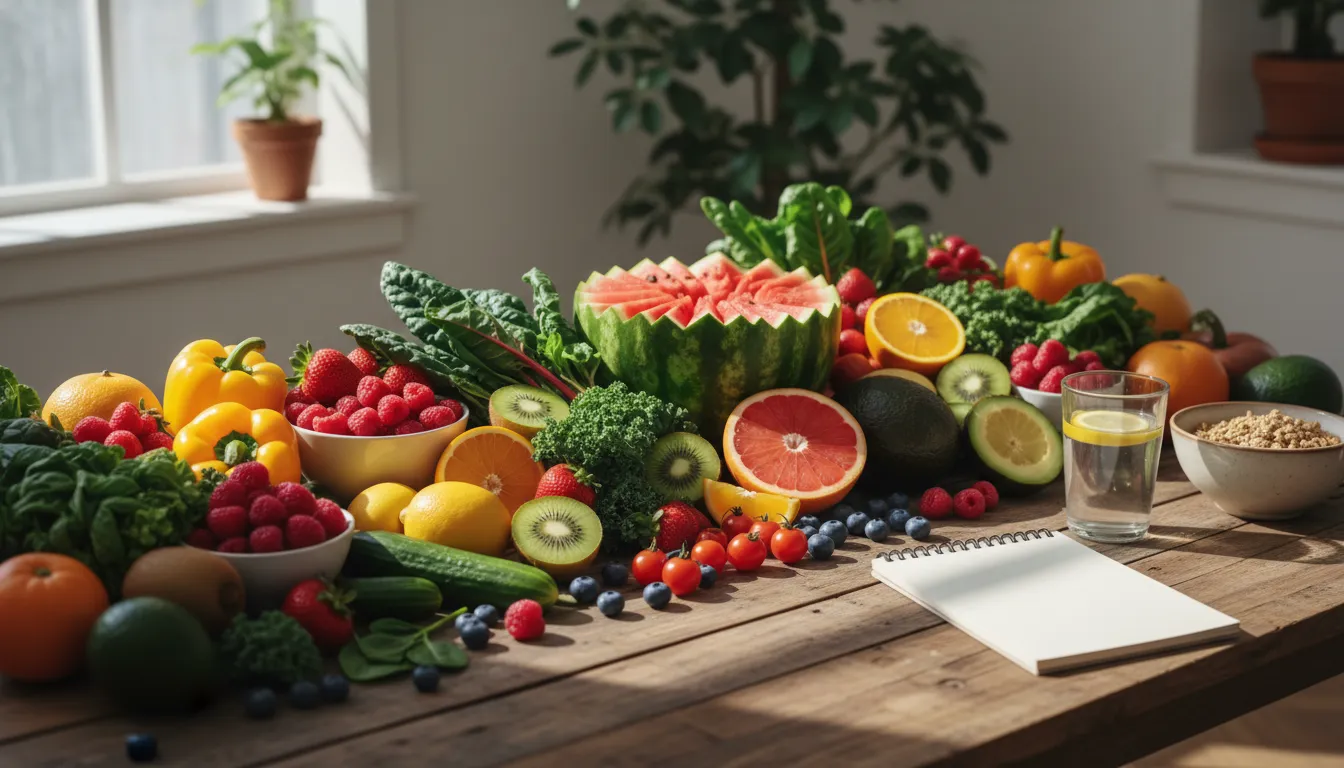
Eating fruits and vegetables is not an imposition or a strict rule. It is, above all, a form of care — for the body, energy, mood, and longevity. The science accumulated over decades consistently points to the benefits of these foods, not as magical solutions, but as an important part of a lifestyle that broadly favors health.
You don’t need to transform everything at once. Every small and consistent choice matters. And if you need help finding the path that makes sense for your life, a nutritionist, doctor, or other health professional can be a great starting point.
Take care of yourself with kindness and without haste. Your health is worth the process.
This content is informative and educational, produced by health and wellness writers. It does not replace the evaluation, diagnosis, or guidance of a health professional. Always consult a doctor, nutritionist, or other qualified specialist for guidance appropriate to your individual situation.