How Stress Impacts Your Physical Health: Understanding the Effects
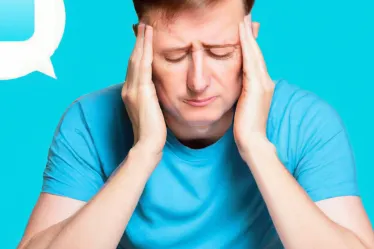
Have you ever noticed how, after a hectic period at work or a difficult family situation, your body seems to “demand a toll”? Persistent headaches, restless sleep, and a constant feeling of being on edge all have a real physiological explanation. Stress doesn’t just live in the mind: it settles in the body, alters essential functions, and when it persists for too long, it can pave the way for health problems that go far beyond emotional exhaustion.
The good news is that understanding what happens inside the body during stress is the first step to dealing with it more consciously. When we understand the mechanisms behind these responses, it becomes easier to recognize warning signs and make decisions that take better care of us — whether seeking professional support, making adjustments to our routine, or simply naming what we feel.
In the following sections, we will explore in an accessible and evidence-based way how stress affects different body systems, which signs deserve attention, and what can help navigate difficult periods with more balance.
What Happens in the Body When You’re Stressed
To understand the physical impact of stress, it’s useful to know the response the body was developed to have in the face of a threat. When we perceive something as dangerous or threatening — whether it’s an impossible deadline, an intense conflict, or an insecure situation — the brain triggers what is popularly known as the “fight or flight” response.
In this process, structures like the hypothalamus and amygdala signal the autonomic nervous system that it’s time to act. The result is a hormonal cascade: the body releases adrenaline and cortisol, two hormones that prepare the body to react quickly.
What These Hormones Do in the Body
- Adrenaline increases heart rate, raises blood pressure, and directs blood to the muscles.
- Cortisol releases glucose to provide quick energy, suppresses functions considered “non-urgent” at that moment — such as digestion, immune response, and reproduction — and increases the availability of inflammatory substances.
This response is intelligent and was essential for human survival throughout evolution. The problem begins when the stressor doesn’t disappear — when it is chronic, everyday, and with no end in sight. In this scenario, the body remains in a state of alert for too long, and the effects accumulate in various body systems.
Cardiovascular System: The Heart Under Pressure
One of the systems most affected by chronic stress is the cardiovascular system. The constant elevation of blood pressure and heart rate, caused by the prolonged release of stress hormones, overloads the heart and blood vessels over time.
Studies published in cardiology journals suggest that chronic stress is associated with an increased risk of hypertension, vascular inflammation, and cardiovascular events. The World Health Organization (WHO) recognizes psychosocial stress as one of the factors that can contribute to cardiovascular diseases, especially when combined with other habits such as physical inactivity, smoking, and poor diet.
This doesn’t mean stress inevitably causes a heart attack — but it is an important sign that taking care of mental health is also taking care of the heart.
Immune System: When Defense Falters
Cortisol in acute doses can have an anti-inflammatory effect and even be useful. But when levels remain chronically elevated, the immune system begins to function less efficiently.
Research in the field of psychoneuroimmunology — which studies the relationship between mind, nervous system, and immunity — indicates that prolonged stress can:
- Reduce the activity of the body’s defense cells
- Increase the production of inflammatory markers in the blood
- Make the body more susceptible to respiratory infections and other conditions
Have you noticed that you tend to catch a cold right after a very intense work phase or an emotionally difficult period? This pattern has a biological basis and is recognized by scientific literature.
Digestive System: The Second Brain Also Suffers
The gut is often called the “second brain” — and it’s no exaggeration. It has an extensive network of neurons and communicates directly with the brain through the vagus nerve and the gut-brain axis. Therefore, stress profoundly affects digestive health.
During the stress response, digestive functions are temporarily suppressed. When this repeats frequently, it can result in:
- Changes in bowel rhythm (diarrhea or constipation)
- Feeling of nausea or abdominal discomfort
- Worsening of conditions such as irritable bowel syndrome
- Changes in the gut microbiota, which recent studies associate with mental and immune health
The relationship between gut and stress is bidirectional: stress affects the gut, and an imbalanced gut can amplify feelings of anxiety and malaise.
Sleep, Pain, and Other Overlooked Effects
The impact of stress on the body goes beyond the systems mentioned. Here are other effects that often appear when stress becomes chronic:
Sleep Quality
Elevated cortisol at night directly interferes with the production of melatonin, the sleep hormone. This can result in difficulty falling asleep, fragmented sleep, and feeling tired even after hours in bed.
Muscle Tension and Pain
The body in a state of alert tends to keep muscles contracted — especially in the neck, shoulders, and jaw area. This can lead to chronic pain, tension headaches, and even bruxism (teeth grinding at night).
Skin and Hair
Studies suggest that chronic stress can worsen inflammatory skin conditions such as acne, psoriasis, and eczema, and is associated with episodes of hair loss (telogen effluvium), usually temporary.
Hormonal and Reproductive Health
In situations of prolonged stress, the hormonal axis can be altered. This often contributes to menstrual irregularities in women and can affect fertility and libido in people of any gender.
What Can Help: Scientifically Supported Strategies
Recognizing the impact of stress is important, but equally important is knowing that there are ways to manage it. None of the strategies below are magic solutions or work the same for everyone — but studies suggest that, together, they often make a difference over time.
- Regular Physical Activity: Engaging in moderate physical activity is associated with reduced stress markers and improved mood, according to various scientific reviews. Finding an activity you enjoy increases the chances of maintaining consistency.
- Prioritizing Sleep: Creating a consistent sleep routine, with regular hours and a conducive environment for rest, can help regulate cortisol and improve stress resilience.
- Breathing and Mindfulness Practices: Slow breathing techniques and practices like meditation and mindfulness show, in controlled studies, a positive effect on activating the parasympathetic nervous system — the one that “slows down” the body.
- Balanced Diet: A varied diet, with whole foods and few ultra-processed foods, usually contributes to gut health and can positively influence the stress response. There is no rigid formula — balance and pleasure in eating also matter.
- Social Connections: Conversations with trusted people, group activities, and emotional support play a significant role in stress regulation. Don’t underestimate the power of being heard.
- Professional Support: Psychologists and other mental health professionals offer evidence-based tools to deal with stress more deeply and personally.
If you want to explore how small changes in daily life can complement these care strategies, check out this article: Small Changes That Can Improve Your Quality of Life.
When to Seek a Health Professional
Not all stress requires immediate medical intervention — but some signs indicate it’s time to seek specialized guidance:
- Persistent physical symptoms (pain, digestive problems, sleep changes) that don’t improve with general measures
- Frequently elevated blood pressure
- Significant drop in immunity with repeated infections
- Feeling of exhaustion that doesn’t go away even with rest
- Signs of intense anxiety, very low mood, or difficulty functioning daily
A family doctor, general practitioner, or internist can assess the physical aspects and, if necessary, make referrals. For the emotional side, psychologists and psychiatrists are the most suitable professionals.
If you are experiencing intense emotional distress and feel you can’t cope alone, remember: help is available. In Brazil, the CVV (Centro de Valorização da Vida) is available at 188, free of charge, 24 hours a day. In emergencies, seek the nearest emergency room.
Conclusion: Your Body Speaks — It’s Worth Listening
Stress is part of life. But when it becomes chronic and leaves no room for recovery, the body begins to signal in ways that deserve attention and care — not blame or judgment.
Understanding that headaches, digestive problems, insomnia, and many other symptoms may be related to emotional state is not an exaggeration: it’s science. And recognizing this opens an important door to conscious self-care and seeking support when necessary.
You don’t have to solve everything at once. Small steps, one at a time, already make a difference. And you don’t have to take them alone.
This content is informative and educational and does not replace the evaluation, diagnosis, or treatment by a healthcare professional. Each person is unique, and only a qualified professional can offer guidance appropriate to your individual situation.