

Why Has Mental Health Finally Gained the Recognition It Deserves?
For a long time, discussing mental health was considered taboo. Admitting to emotional struggles carried a heavy burden: fear of judgment, shame, and the feeling of weakness. By 2026, this scenario had significantly changed. More and more people recognize that caring for the mind is as important as caring for the body, and that seeking help is an act of courage, not weakness.
Still, many approach the topic with genuine questions. What exactly is mental health? Is it merely the absence of psychiatric disorders? Does it change over a lifetime? And most importantly, what can we do daily to preserve it? These are legitimate questions, and this article exists to answer them clearly, without judgment or exaggerated promises.
If you are here to better understand the topic, whether out of curiosity, concern for someone close, or something you are feeling, know that you are in the right place. We will explore the concept of mental health in an accessible, evidence-based, and above all, human way.
What Is Mental Health, Really?
The World Health Organization (WHO) defines mental health as a state of well-being in which an individual can recognize their abilities, handle normal life stresses, work productively, and contribute to their community. This definition is broad for an important reason: mental health is not simply the absence of disorders like depression or anxiety.
Think of it this way: just as physical health doesn’t mean “not being sick,” mental health goes beyond “having no diagnosis.” It involves the ability to relate, feel emotions and process them, give meaning to life, and adapt to the inevitable changes that daily life brings.
It’s also important to recognize that mental health is dynamic. It can vary according to life circumstances, the phase we are in, the level of social support we have, and even biological factors. Someone may have quite balanced mental health for years and face a difficult period due to a loss, change, or accumulation of pressures. This is human and does not signify failure.
The Connection Between Mind and Body
One of the most established scientific discoveries in recent decades is that the mind and body do not function separately. They form an integrated system, and what happens in one directly influences the other.
Studies in the field of psychoneuroimmunology suggest that prolonged emotional states, such as chronic stress, can influence the functioning of the immune system, sleep quality, cardiovascular health, and other physiological processes. Likewise, physical conditions like chronic pain, autoimmune diseases, and sleep deprivation often impact mood, motivation, and emotional well-being.
This understanding reinforces why the approach to health care needs to be integrated. It makes no sense to treat the body while ignoring the mind, or vice versa. When a person takes care of sleep, balanced nutrition, and physical movement, they are also contributing to their emotional balance, and the reverse is also true.
Signs That Mental Health Needs Attention
It’s not always easy to notice when we are drifting from emotional balance. Some signs can be subtle and gradually set in. Knowing them is not a reason for alarm but for self-awareness.
Among the signs that often deserve attention are:
- Persistent fatigue that doesn’t improve with rest
- Difficulty concentrating or making simple decisions
- Progressive social isolation, distancing from loved ones
- Sleep changes, whether frequent insomnia or excessive sleep
- Irritability or intense mood swings without apparent cause
- Constant feelings of emptiness, sadness, or hopelessness
- Loss of interest in activities that were once enjoyable
- Recurring physical symptoms without an identified organic cause, such as headaches or gastrointestinal problems
It’s crucial to remember: having one of these signs does not necessarily mean having a mental disorder. However, when they persist or significantly interfere with quality of life, it’s time to seek professional support. Each person is unique, and only a qualified health professional can assess the situation individually.
What Can Contribute to Mental Well-being Daily
Science suggests that some habits and practices are often associated with greater emotional well-being. These are not magic recipes, but tools that, when consistently incorporated, can help maintain balance.
Regular Physical Activity
Research indicates that regular physical activity can help reduce symptoms of anxiety and mild to moderate depression, among other emotional benefits. The mechanism involves, among other factors, the release of neurotransmitters like endorphins and serotonin. Any form of movement counts: walking, dancing, swimming, yoga.
Quality Sleep
Sleep is one of the most underestimated pillars of mental health. During sleep, the brain performs essential processes of memory consolidation, emotional regulation, and recovery. Poor sleep nights, recurrently, tend to impact mood, decision-making, and emotional resilience. If you want to know more about how to improve this crucial part of your routine, check out our article How to Relax Before Sleeping and Have More Peaceful Nights.
Social Connections
Being human is being social. Longitudinal studies, such as the famous Harvard Study of Adult Development, suggest that the quality of relationships is one of the most consistently associated factors with well-being throughout life. Cultivating genuine bonds, even if few, often makes a significant difference.
Self-awareness and Emotional Expression
Identifying what you feel, naming emotions, and finding healthy ways to express them is a skill that can be developed. Practices like meditation, mindfulness, and even the habit of keeping a personal journal have been studied for their potential benefits for emotional well-being. You can learn more about this in The Mental Health Benefits of Keeping a Personal Journal.
Balanced Nutrition
The relationship between the gut and brain — known as the gut-brain axis — is a very active area of research. While much remains to be studied, the available evidence suggests that a varied and balanced diet, rich in vegetables, fruits, grains, and quality proteins, often contributes to overall well-being, including emotional. No specific food or diet is a standalone solution.
The Role of Stigma and Why We Need to Talk About It
Despite the advances of recent years, the stigma around mental health still exists and still harms. It appears in comments like “it’s just a phase,” “everyone has problems,” “you have no reason to feel this way.” And when someone internalizes these messages, it can take a long time to seek help.
Stigma is costly. It delays diagnoses, keeps people away from effective treatments, and increases unnecessary suffering. Talking about mental health naturally, respectfully, and empathetically is, in itself, an act of collective care.
If you know someone going through a tough time, a supportive, non-judgmental listening ear can be an important point of support. And if you are the one suffering, know: you don’t have to be okay all the time, and asking for help is a way of taking care of yourself.
When to Seek a Mental Health Professional
This is one of the most important questions in this article. The simple answer is: you don’t need to be in crisis to seek support. Visiting a psychologist or psychiatrist is a preventive as well as therapeutic act.
But some signs indicate that seeking professional help urgently is crucial:
- Thoughts of self-harm or that it would be better not to be here
- Inability to perform basic daily activities for prolonged periods
- Increasing use of alcohol or substances as a way to cope with suffering
- Intense symptoms that arise suddenly and cause great distress
If you or someone you know is experiencing intense suffering or thoughts of self-harm, know that help is available. In Brazil, the CVV (Centro de Valorização da Vida) offers free support by calling 188, 24 hours a day, every day. In case of emergency, seek the nearest emergency room, or call SAMU (192).
Psychologists and psychiatrists are trained professionals to offer individualized support. Each person has a unique story, and professional guidance allows for a deep and responsible understanding of what is happening.
Conclusion: Caring for the Mind Is Caring for Yourself
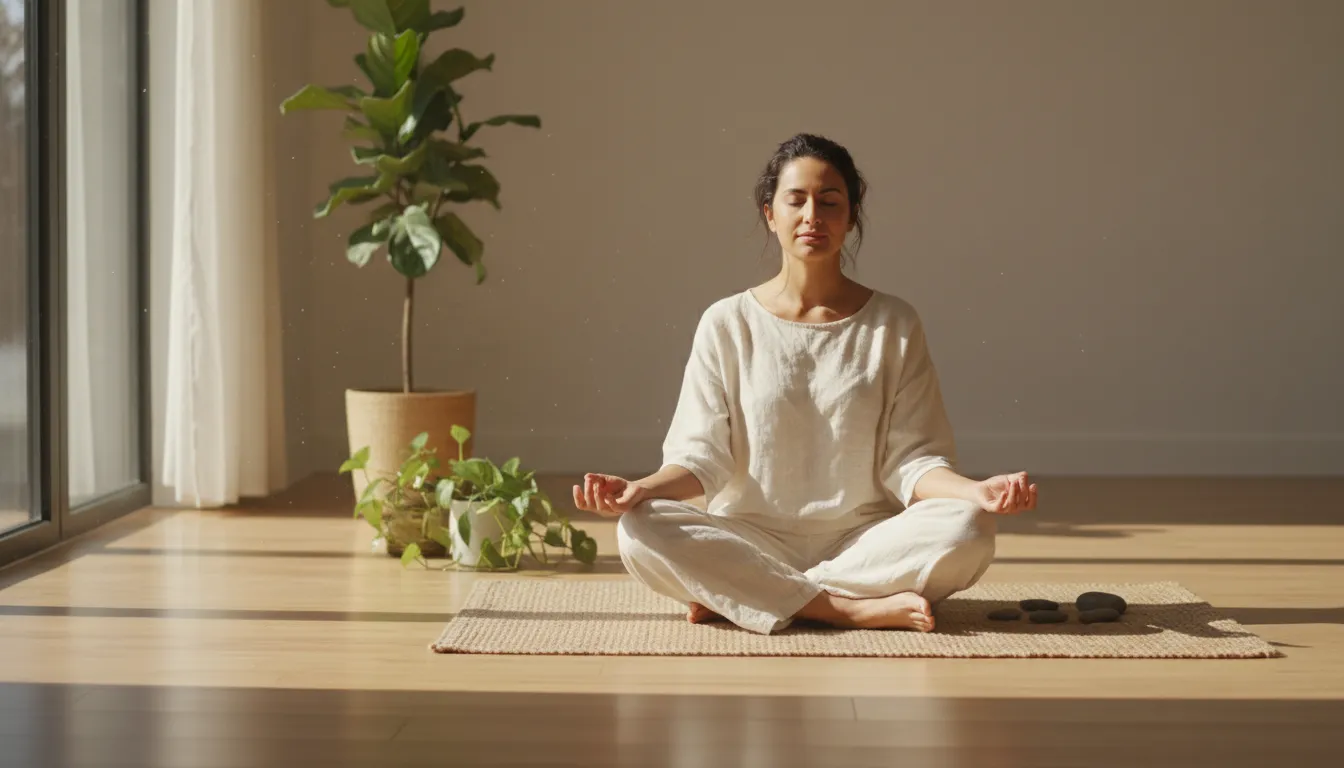
Mental health is not a destination reached once, but a continuous process of self-awareness, care, and, when necessary, seeking support. By 2026, we have more tools, more information, and fortunately, more space to talk about it without so much weight.
You don’t need to be “very unwell” to deserve attention. You don’t need to prove your suffering. And you don’t need to walk this path alone. Small steps daily, combined with professional support when necessary, build a more solid foundation for living with more balance, presence, and lightness.
Take care of your mind with the same attention you would give to any other part of you. It deserves it.
This content is solely for informational and educational purposes. It does not replace the evaluation, diagnosis, or treatment of a qualified health professional. Each person has a unique story, and only a trained professional can guide the most appropriate care for your case.