# Art Therapy: Transform Emotions into Colors and Heal the Soul Through Creativity
Art has always been a powerful form of human expression, but did you know it can also be a transformative therapeutic tool? Art therapy emerges as a treatment modality that combines creative power with psychological healing, allowing people of all ages to process difficult emotions, overcome trauma, and find emotional balance through artistic expression.
Unlike a traditional art class, art therapy does not focus on creating aesthetically perfect works but rather on using the creative process as a means of self-discovery and healing. In this article, we will explore how this ancient practice, now backed by scientific evidence, can transform your mental health and provide lasting well-being.
## What Is Art Therapy and How Does It Work
Art therapy is a form of psychotherapy that uses different artistic modalities—such as painting, drawing, sculpture, collage, and other creative techniques—as a means of expression and communication. Developed as a formal discipline in the 1940s, it is based on the premise that the creative process can help people resolve conflicts, develop interpersonal skills, reduce stress, and increase self-awareness.
The functioning of art therapy is rooted in the understanding that many emotions and experiences are difficult to verbalize. When words fail, images and colors can communicate what is deeply buried in our unconscious. By creating art in a safe therapeutic environment, patients can externalize internal feelings, making them tangible and therefore easier to work through.
A certified art therapist guides the process, helping the individual interpret their creations and connect visual symbols to their emotional experiences. Just as cognitive-behavioral therapy works with thoughts and behaviors, art therapy works with symbolic and creative expressions.
## The Scientific Benefits of Art Therapy
In recent decades, scientific research has validated what artists and therapists intuitively knew for centuries: creating art has profound healing effects on the brain and body.
### Stress and Anxiety Reduction
Studies published by the National Institutes of Health demonstrate that just 45 minutes of artistic activity can significantly reduce cortisol levels, the stress hormone. For those showing signs of severe anxiety, art therapy offers a healthy outlet for accumulated tension.
Focusing on a creative activity induces a meditative-like state known as “flow,” where the mind calms and the present becomes the sole focus. This mental state reduces rumination—those repetitive thoughts that fuel anxiety—and promotes deep relaxation.
### Trauma Processing
Art therapy has proven particularly effective in treating post-traumatic stress disorder (PTSD). When traumatic experiences are too painful to verbalize, expressing them through images can be less threatening. Organizations like the American Psychological Association recognize art therapy as a valid intervention for trauma survivors.
By creating visual representations of their experiences, patients can begin to reorganize fragmented memories, assign new meanings to past events, and gradually integrate these experiences more healthily into their personal narratives.
### Improved Self-esteem and Self-awareness
The process of creating something unique and personal can significantly strengthen self-esteem. Each brushstroke, each color choice, each created form is an affirmation of one’s existence and validation of internal experience. For people struggling with self-criticism or low self-confidence, seeing their emotions transformed into something tangible and valid can be deeply empowering.
Moreover, art acts as a mirror of the psyche. Recurring patterns in themes, colors, or shapes can reveal unconscious concerns, internal conflicts, or hidden aspirations, providing valuable insights about oneself.
## Techniques and Modalities of Art Therapy
Art therapy is incredibly diverse, encompassing numerous techniques and materials. Each modality offers different expressive possibilities and therapeutic benefits.
### Painting and Drawing
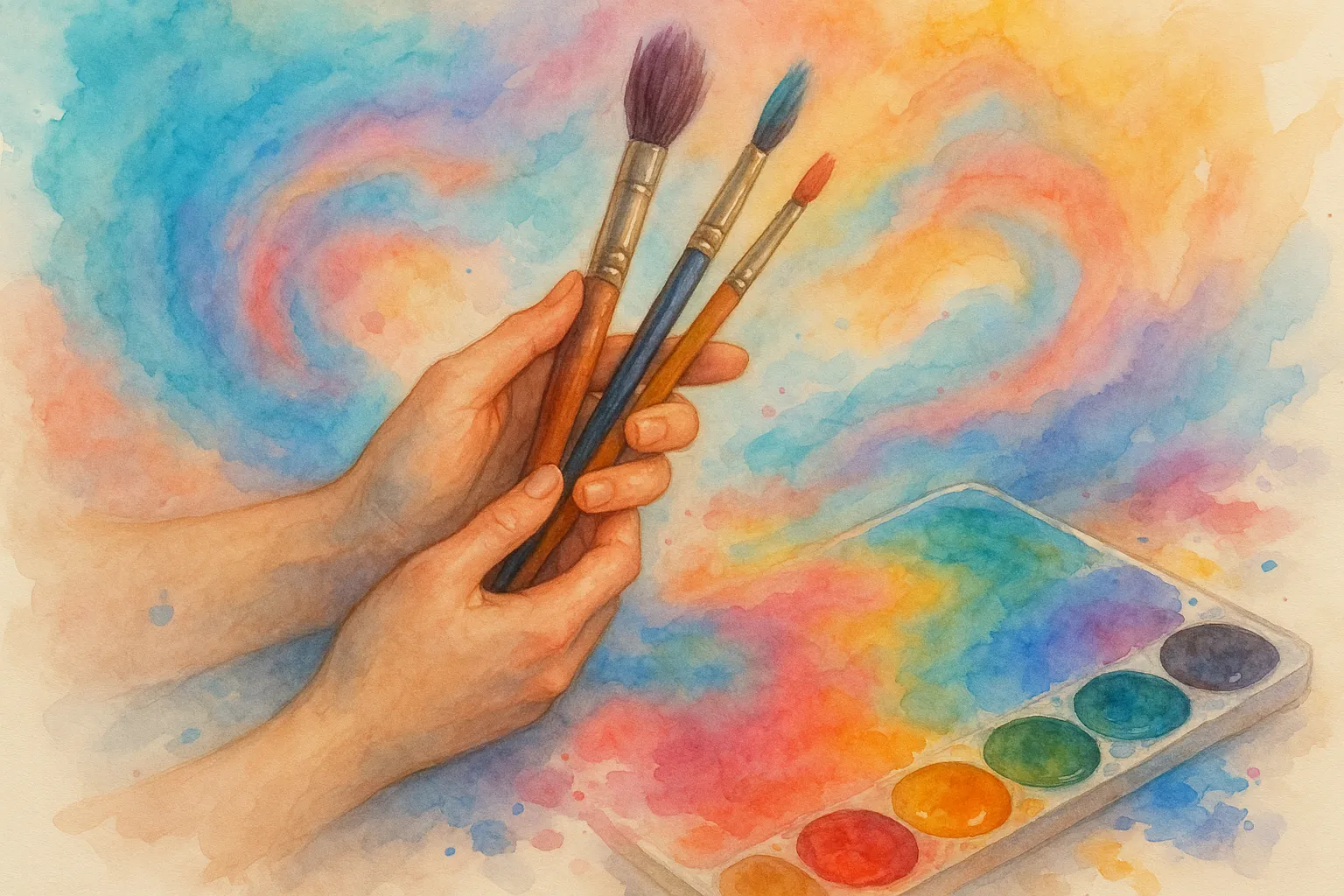
The most traditional forms of art therapy, painting and drawing allow for free and spontaneous expression. Working with watercolor, acrylic, colored pencils, or charcoal offers different textures and expressive possibilities. The fluidity of watercolor, for example, can be particularly liberating for those seeking to let go of control, while detailed drawing with pencils can be calming for anxious minds seeking order.
### Sculpture and Modeling
Working with clay, modeling dough, or other three-dimensional materials involves touch and body movement in ways that painting does not. This tactile experience can be especially beneficial for those disconnected from their bodies or needing to release physical tensions related to emotional stress.
Clay is particularly cathartic—it can be kneaded, shaped, destroyed, and rebuilt, mirroring psychological processes of transformation and renewal.
### Collage
Creating collages using magazine images, personal photographs, or various materials allows people to create visual narratives without the pressure of “knowing how to draw.” This technique is excellent for exploring identity, future goals, or processing life transitions. Professionals seeking clarity in their paths, similar to the work done with a career coach, can use collages to visualize professional aspirations.
### Digital Art
With modern technology, art therapy has also embraced digital media. Drawing apps, therapeutic photography, and even virtual reality offer new avenues for creative expression, especially appealing to younger generations or those more comfortable with technology.
## How to Start Your Journey in Art Therapy
You don’t need to be an experienced artist to benefit from art therapy. In fact, the lack of formal training can be an advantage, allowing for more authentic and less filtered expression.
### Working with a Certified Art Therapist
The most effective way to experience art therapy is to work with a certified professional. Art therapists have training in psychology and counseling, as well as specialized training in therapeutic artistic techniques. They create a safe and non-judgmental space where you can explore difficult emotions through art.
Look for professionals certified by recognized organizations such as the Brazilian Art Therapy Association or international equivalents. Many therapists now offer online sessions, making art therapy more accessible.
### Art Therapy Practices at Home
While working with a professional is ideal, you can also incorporate elements of art therapy into your self-care routine:
**Visual Journal**: Instead of writing about your feelings, try drawing or painting them. Use colors intuitively—don’t overthink it, just choose tones that resonate with your current emotional state.
**Mandalas**: Coloring or creating mandalas is a meditative practice that can reduce anxiety and promote focus. The symmetry and repetition have natural calming effects.
**Memory Box**: Create a decorated box where you store meaningful objects, photographs, or writings. The process of decorating and organizing can be therapeutic in itself.
**Spontaneous Expressive Art**: Set aside 15-20 minutes without interruptions. Play music that reflects your mood and simply let your hand move on the paper without judgment or aesthetic goal.
## The Connection Between Colors and Emotions
One of the most powerful tools of art therapy is the conscious use of colors. Color psychology suggests that different tones evoke and can influence specific emotional states.
**Red** is associated with intense emotions—passion, anger, energy. Using red can help externalize and process strong emotions that are being repressed.
**Blue** generally brings sensations of calm, tranquility, and peace. Shades of blue are often chosen by those seeking emotional stability or dealing with mental hyperactivity.
**Yellow** represents optimism, joy, and solar energy. Incorporating yellow can be helpful when working with mild depression or hopelessness.
**Green** connects us to nature, renewal, and balance. It is a color of healing and growth, ideal for those undergoing personal transformation processes.
**Purple** is linked to spirituality, intuition, and mystery. It can help explore deeper aspects of the self.
**Black and Gray** should not be feared in art therapy. They can represent mourning, sadness, or the unknown, and expressing them can be an important part of the healing process.
Note that colors do not have fixed universal meanings—the personal and cultural experience of each individual with colors matters more than any generalized interpretation.
## Art Therapy for Different Populations
Art therapy has demonstrated effectiveness in a wide range of contexts and populations.
### Children and Adolescents
Children often lack the emotional vocabulary to express what they feel. Art provides a natural alternative language. Art therapy is widely used in schools, pediatric hospitals, and clinics to help children process difficult experiences such as parental divorce, changes, bullying, or illness.
### Adults with Anxiety and