
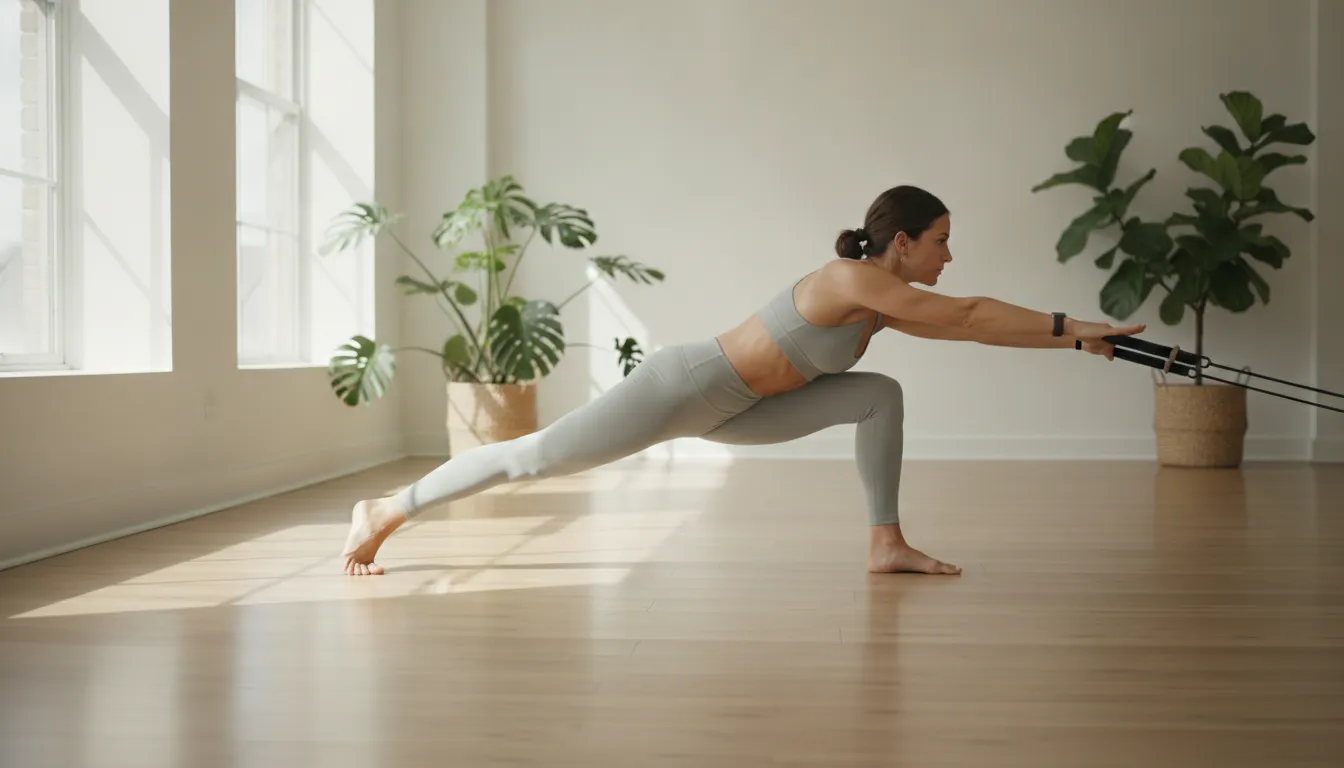
How Pilates Transforms Your Body and Health
Have you ever ended a workday with that familiar feeling of tense shoulders, aching back, and energy that seems to have drained away? This experience is very common, especially in a world where we spend long hours sitting, hunched over screens. It is in this context that Pilates has gained more and more traction—not as a passing trend, but as a practice that, according to research, can significantly contribute to the physical and mental well-being of people at different stages of life.
Created by German Joseph Pilates in the early 20th century, the method was born from a philosophy of conscious movement, combining breathing, muscle control, and mindfulness of one’s own body. Over the decades, it has been revisited, adapted, and studied by science, gaining space in rehabilitation clinics, gyms, and physiotherapy offices around the world. In 2026, it remains one of the most sought-after movement practices by people seeking sustainable quality of life.
This article compiles what research and health organizations suggest about the benefits of Pilates, explaining how it affects the body and mind—honestly, without exaggerated promises. The idea is that you finish with more clarity about what to expect from this practice and, if interested, you can talk to a health professional about the best way to incorporate it into your routine.
How Pilates Works: The Foundation of the Method
Pilates is a form of exercise that prioritizes movement quality over quantity. Its classic principles include concentration, control, center, fluidity, precision, and breathing—elements that together ensure each movement is performed with intention.
The “center” referred to in the method is the region known as the powerhouse or core, which encompasses the deep abdominal muscles, pelvic floor, and paravertebral muscles (around the spine). Strengthening this region is one of the central goals of the practice, and studies suggest this can have positive effects on various physical conditions.
Pilates can be practiced on the floor (mat Pilates) or on specific equipment like the Reformer, Cadillac, and Chair. Both modalities have value, and the choice between them usually depends on goals, fitness level, and any medical or physiotherapeutic guidelines.
Posture and Spine: One of the Most Studied Benefits
One of the most common reasons people turn to Pilates is back pain. And it’s no coincidence: reviews of studies published in journals specializing in physiotherapy and rehabilitation suggest that the method can help reduce the intensity of non-specific chronic lower back pain and improve functionality in people with this condition.
By strengthening the deep muscles of the spine and abdomen, Pilates contributes to more efficient support of the vertebral structure. Over time, many people report improved posture, both in daily life and during physical activities—which can reduce excessive strain on joints and ligaments.
It’s important to clarify: back pain has varied and complex causes. Pilates can be a valuable resource within a broader care plan, but the evaluation of a doctor or physiotherapist is essential to understand the origin of the problem and define the most appropriate approach for each case.
Flexibility, Mobility, and Balance
Improved flexibility is another benefit frequently associated with Pilates. The movements in the practice usually work the joints through their full range, which, with regularity, can help increase movement reach and reduce muscle stiffness.
Studies also suggest benefits for balance and motor coordination, especially in older people. This is relevant because falls are one of the main causes of serious injuries in adults over 60, according to the World Health Organization (WHO). Practices that work on balance and body awareness can contribute to prevention, although no single activity guarantees protection.
Additionally, Pilates often improves proprioceptive awareness—that is, the brain’s perception of the body’s position in space. This skill is essential for safe movements in daily life and other physical activities.
Pilates and Mental Health: The Unexpected Side
Those who start Pilates often talk about improved mood, concentration, and a sense of well-being—and this is not just an impression. Studies indicate that physical activities, in general, are associated with the reduction of symptoms of anxiety and mild to moderate depression, and Pilates, due to its contemplative nature and focus on breathing, seems to share these properties.
The requirement of mindfulness during practice—focusing on breathing, body position, and movement control—has characteristics in common with mindfulness techniques, which can help interrupt cycles of rapid thinking and promote a sense of presence and calm.
It’s important to state clearly: Pilates does not replace psychological or psychiatric treatment. If you are experiencing intense emotional distress, significant anxiety, or other mental health challenges, seeking professional support is the safest and most effective path. Exercise can be a valuable complement, but it is not a treatment in itself. If you need support now, the CVV (Centro de Valorização da Vida) is available at 188, free of charge, 24 hours a day.
Other Benefits Under Research
In addition to the points already mentioned, some research lines investigate the impact of Pilates in other areas of health. It’s worth presenting them with due honesty about what is already known and what is still under study:
- Breathing and lung function: by actively working the respiratory muscles, Pilates can contribute to more efficient breathing. Preliminary research suggests benefits for people with conditions like asthma, but the evidence still needs more consistency.
- Blood pressure control: regular physical exercise, in general, is associated with maintaining healthy blood pressure levels, according to the Ministry of Health. Pilates, especially at moderate intensity, can be part of this equation.
- Pelvic health: working with the pelvic floor is an important component of Pilates, and studies suggest it can be useful for people dealing with mild urinary incontinence, especially women postpartum or post-menopause—always in conjunction with specialized monitoring.
- Quality of life in chronic conditions: research involving people with fibromyalgia, multiple sclerosis, and other chronic conditions suggests that Pilates can contribute to quality of life, but studies are still limited in size and methodology.
How to Start: Practical Guidelines
If you’re interested and want to try Pilates, here are some practical points to consider:
- Talk to your doctor first, especially if you have any pre-existing health conditions, recent injuries, or doubts about which physical activities are suitable for your current situation.
- Find a qualified professional. Pilates should be taught by instructors with recognized training. Good technical guidance from the start makes a difference in the effectiveness and safety of the practice.
- Start with the basics. There’s no rush to advance in exercises. Progress in Pilates is gradual and individual.
- Be consistent. Like any movement practice, the benefits of Pilates appear with consistency over time. Maintaining motivation can be a challenge—if you want to reflect on this, this article on healthy habits and what sustains motivation over time may help.
- Listen to your body. Pain or discomfort during practice should be communicated to the instructor immediately. Well-done Pilates should not cause pain.
When to Seek a Health Professional
Pilates is considered a safe practice for most people, but there are situations where medical or physiotherapeutic guidance before starting (or continuing) is essential:
- Back, joint, or muscle pain that already exists or worsens with exercise
- History of fractures, osteoporosis, or osteopenia
- Pregnancy (Pilates can be beneficial during this period, but requires adaptations and specialized monitoring)
- Cardiac or respiratory conditions
- Post-operative or injury rehabilitation
- Any chronic health condition
Do not hesitate to seek evaluation—a good professional will help personalize the practice for your body and your life stage.
Conclusion
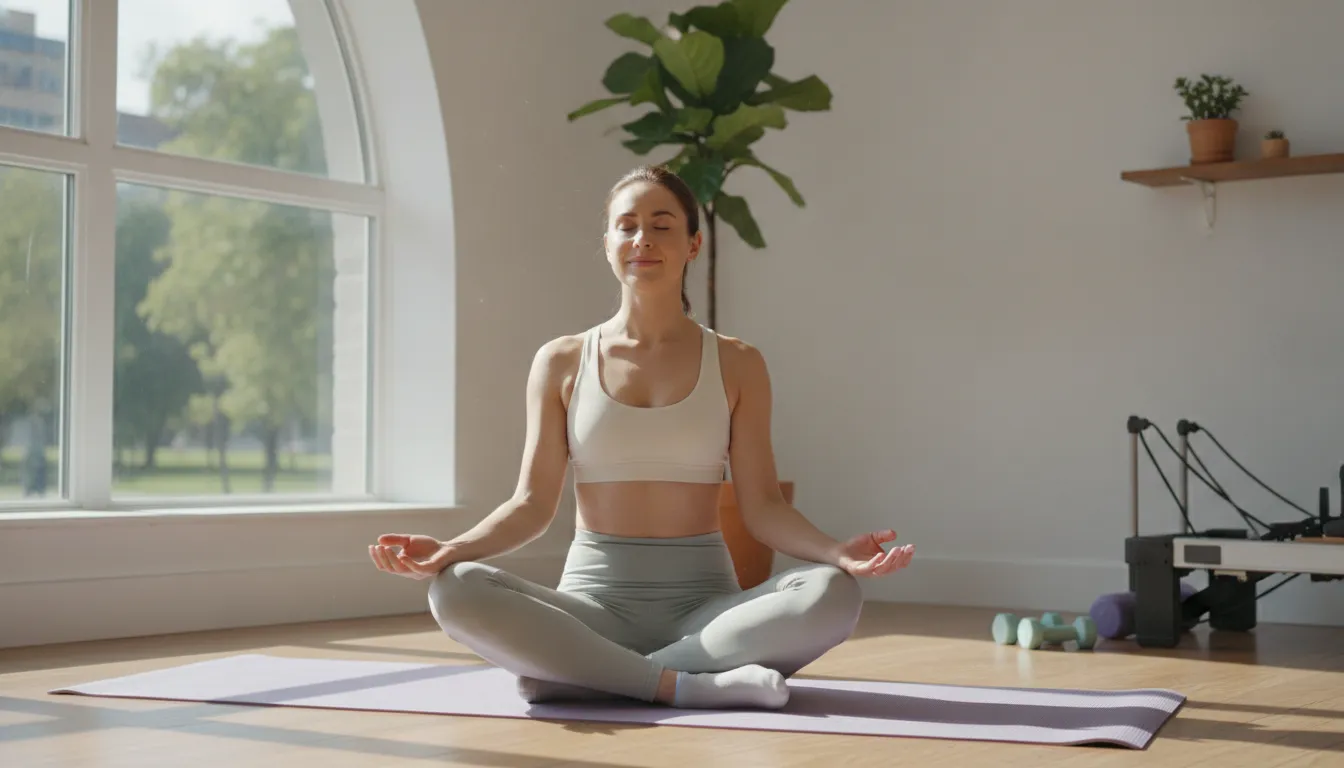
Pilates is much more than a trend: it is a movement practice with decades of history and a growing body of evidence suggesting real benefits for posture, flexibility, balance, mental health, and quality of life. It is not a magical solution, and its results depend on regularity, qualified guidance, and integration with other health care.
What makes it special, perhaps, is precisely this philosophy of conscious movement—the idea that taking care of the body can be an act of attention and presence, not just physical effort. In this sense, it invites a kinder and more intelligent relationship with one’s own body.
If you’re thinking about including Pilates in your routine, start with curiosity, respect your limits, and whenever you have doubts, seek professional guidance. Your body will thank you.
This content is informative and educational, and does not replace the evaluation, diagnosis, or treatment by a qualified health professional. Consult your doctor, physiotherapist, or other health professional for personalized guidance for your case.