
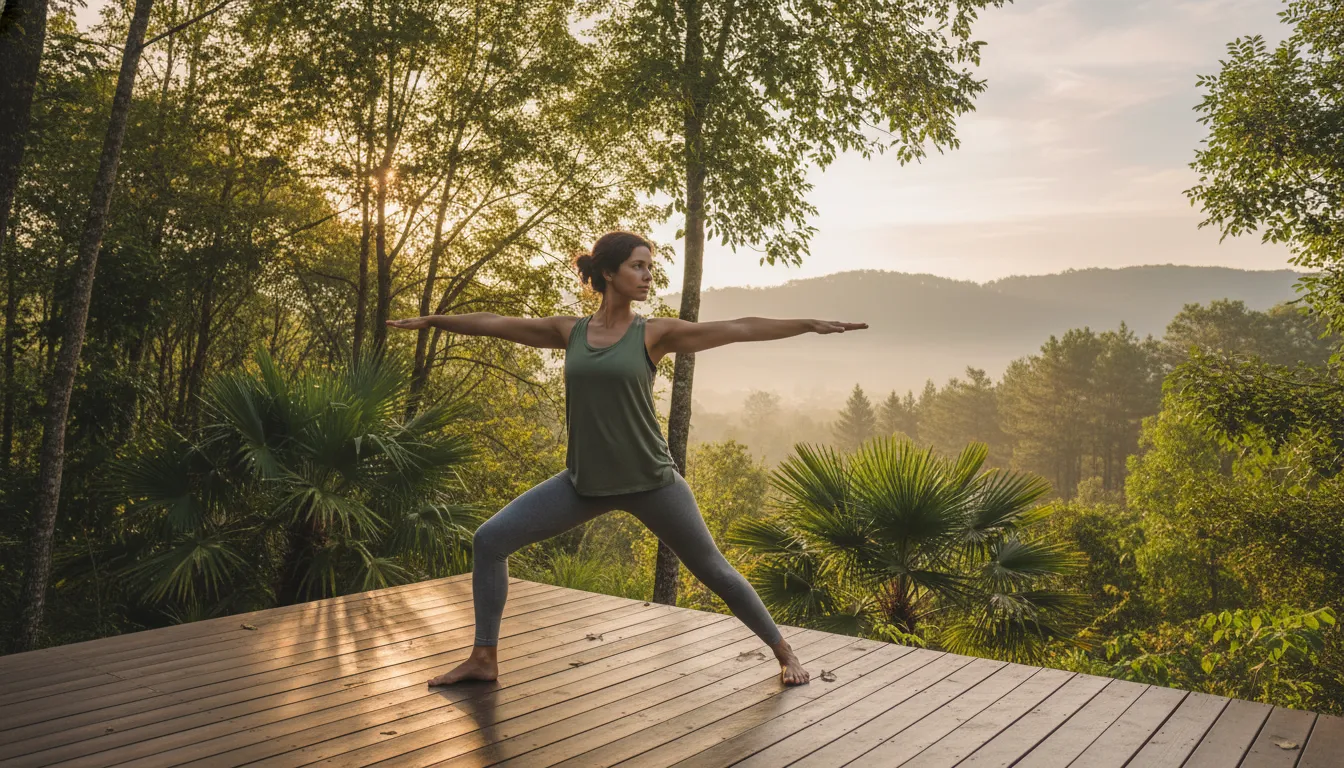
Understanding Yoga: Benefits and How to Get Started
Have you ever found yourself watching a yoga class with curiosity but unsure where to begin? Or perhaps you’ve heard about its benefits but wonder if it’s suitable for “everyone” or just for those with dancer-like flexibility? If any of these questions have crossed your mind, you’re in the right place. Yoga is one of the world’s oldest practices—and in recent years, it has attracted more researchers, health professionals, and everyday people seeking more balance in daily life.
By 2026, interest in yoga in Brazil continues to grow. Once seen as exotic or limited to certain groups, yoga now occupies gyms, health centers, wellness apps, and even corporate programs. But what exactly is yoga? What can it offer (and what can’t it offer) to your health? And how do you know if it’s right for you?
This article was written to answer these questions honestly, warmly, and based on evidence. No miraculous promises, no exaggerations—just quality information so you can make informed decisions about your well-being.
What is Yoga, Really?
The word yoga comes from Sanskrit and can be translated as “union” or “integration”—the central idea is the connection between mind, body, and breath. Originating in India, yoga has over 5,000 years of history and was developed as a broad philosophical and spiritual system, of which physical postures (called asanas) are just one part.
In the modern Western context, yoga is usually practiced mainly through three fundamental elements:
- Asanas: body postures that work on strength, flexibility, and balance
- Pranayama: breathing control and awareness techniques
- Meditation: practices of mindfulness and mental stillness
There are many styles of yoga—Hatha, Vinyasa, Iyengar, Kundalini, Yin, among others—and each has its own characteristics in terms of rhythm, intensity, and focus. This means that there is likely a yoga style for everyone: there are gentler modalities for beginners or people with physical limitations, and more dynamic ones for those seeking more intensity.
What Does Science Say About the Benefits of Yoga?
In recent decades, yoga has been studied more systematically by the scientific community. Although there is still much to explore—and the quality of studies varies greatly—there is already a considerable body of research published in peer-reviewed journals suggesting real health benefits.
It’s important to be honest here: yoga is not a medical treatment and does not replace professional care. But as a complementary practice, it often contributes in very interesting ways to overall well-being.
Mental Health and Stress Reduction
One of the areas with the most evidence concerns yoga’s impact on stress and anxiety. Studies suggest that regular practice can help reduce cortisol levels (the so-called “stress hormone”), promoting a sense of calm and greater emotional control. The combination of mindful movement, breathing, and mindfulness seems to activate the parasympathetic nervous system—the one responsible for our body’s “rest mode.”
Research also indicates that yoga can be a useful complementary resource for people dealing with symptoms of mild to moderate anxiety and depression, always in conjunction with care from mental health professionals. If you’re going through difficult emotional times, remember: seeking a psychologist or psychiatrist is a powerful act of self-care.
Flexibility, Strength, and Musculoskeletal Health
This may be the most immediately noticeable benefit for those starting to practice. Yoga works muscle groups often neglected in a sedentary life—especially the lower back, hips, and shoulders. Studies suggest that practice can contribute to improved flexibility, balance, and posture over time.
For people with chronic back pain, for example, some scientific reviews indicate that gentle yoga modalities can help reduce discomfort and improve functionality—but always with proper guidance and, when necessary, prior medical evaluation.
Sleep Quality
Poor sleep is an extremely common complaint. Some research suggests that yoga practice—especially breathing and relaxation techniques—can help improve sleep quality in different populations, including older adults and people with mild insomnia. Restorative or Yin yoga practice before bed, for example, is often described as relaxing by many practitioners.
Cardiovascular Health
Although yoga is generally not an intense aerobic exercise (with the exception of more dynamic styles), some studies suggest that regular practice can contribute to reducing blood pressure and inflammatory markers. The World Health Organization (WHO) recognizes physical activity—including practices like yoga—as part of a healthy lifestyle. However, people with cardiovascular conditions should always consult their doctor before starting any new physical activity.
Yoga as a Mindfulness Practice
One of yoga’s most valuable aspects is its ability to bring attention to the present moment. In an increasingly fast-paced world full of digital distractions—a topic we explore in Small Habits That Make a Difference in Quality of Life—yoga offers a space for intentional pause.
During practice, the invitation is to observe your own body, breath, and thoughts without judgment. This mindfulness skill, cultivated on the mat, tends to gradually expand to other areas of life, helping in decision-making, emotional regulation, and interpersonal relationships.
How to Start Practicing Yoga
If you’re interested and want to take the first steps, here’s a simple and realistic guide:
- Choose a style suitable for your moment: For beginners or people with physical limitations, styles like Hatha, Yin, or restorative yoga are usually more accessible. For those seeking more intensity, Vinyasa or Power Yoga may be options.
- Attend an in-person class, if possible: A qualified teacher can adapt postures to your body and correct alignment, reducing the risk of injury. Online classes are a good alternative when there’s no other option.
- Don’t compare yourself: Yoga is not a competition. Every body has its history, capabilities, and limits—and that’s completely normal.
- Start with short sessions: You don’t need to practice for hours. Sessions of 20 to 30 minutes can already bring benefits, especially at the beginning.
- Be consistent, not perfect: As with any healthy habit, regularity matters more than intensity. Setting a routine can help—and if you want tips on how to create and maintain new habits, see How to Set Goals and Keep Motivation Alive.
- Listen to your body: If a posture causes pain (not just the normal discomfort of stretching, but real pain), stop. Yoga’s motto is precisely respecting individual limits.
What Yoga Is Not—and Why It Matters
It’s crucial to be transparent: yoga is not a cure, it does not replace medical, psychological, or psychiatric treatment, and should not be presented as a solution for serious health conditions. Be wary of exaggerated promises.
As a complementary practice, it can be a valuable resource—but “complementary” means exactly that: it complements, not replaces, proper professional care. This honesty is part of yoga’s spirit, which values awareness and ethics above all.
When to Consult a Professional Before Starting
Some situations call for a conversation with a doctor before starting yoga practice:
- Recent or chronic musculoskeletal injuries (such as herniated discs, knee or shoulder injuries)
- Cardiovascular or respiratory conditions
- Pregnancy (there is yoga for pregnant women, but with specific guidance)
- Advanced osteoporosis
- Any health condition that limits movement
Similarly, if you’re experiencing intense emotional distress, don’t hesitate to seek support from a psychologist or psychiatrist. If you’re in crisis, remember that the CVV is available at 188, a free call, 24 hours a day.
Conclusion

Yoga is a rich, accessible practice with growing scientific support—but its benefits are achieved with time, regularity, and above all, respect for your own body. It doesn’t need to be perfect, advanced, or happen every day to make a difference. You can start with five minutes of conscious breathing today.
The most important thing is to find a way to take care of yourself that makes sense for your life, values, and needs. And whenever you have any doubts about your health—physical or mental—a qualified health professional is the best path.
This content is informative and educational and does not replace the evaluation, diagnosis, or treatment of a health professional. Talk to your doctor, physiotherapist, psychologist, or another qualified professional before starting any new practice, especially if you have pre-existing health conditions.