
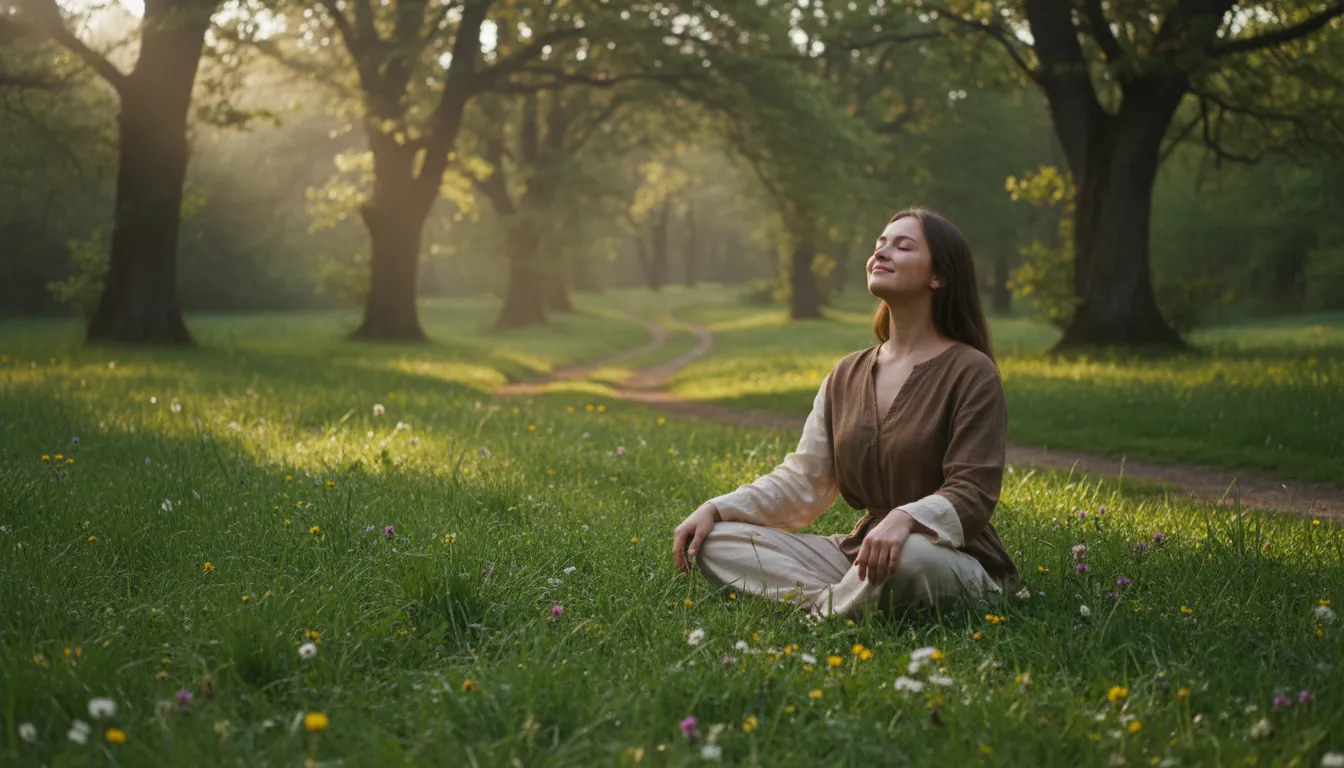
The Health Benefits of Spending Time in Nature
Have you noticed how a simple walk in the park can completely change your mood? Or how breathing fresh air away from the city’s noise seems to “reset” your mind after a hectic day? This feeling is not just an impression: researchers from various fields are increasingly investigating the relationship between exposure to natural environments and human well-being — and the results are quite encouraging.
In 2026, we live in a world where most of the global population resides in urban areas, surrounded by screens, notifications, and fast-paced rhythms. This context makes access to nature an increasingly valuable resource — and, for many people, increasingly rare. It’s no coincidence that concepts like “forest bathing” (shinrin-yoku, originating from Japan) and “green prescriptions” have gained attention from health professionals in various countries.
This article compiles what studies and health organizations have observed about the potential benefits of contact with nature, both for the body and the mind. Nothing here replaces the guidance of a health professional — each person has unique needs — but we hope this information serves as inspiration and an invitation for you to look more kindly at the green spaces around you.
What Studies Say About Nature and Health
The relationship between natural environments and human well-being is not new: it is present in ancient cultural traditions worldwide. What is more recent is the scientific effort to understand why this relationship exists and what mechanisms are involved.
Research published in journals like Environmental Health Perspectives and Landscape and Urban Planning suggests that exposure to green environments is often associated with more favorable mental and physical health indicators in populations living near parks, forests, or coastal areas. The World Health Organization (WHO) also recognizes urban green spaces as relevant components of healthy cities, pointing to potential public health benefits.
It’s important to be honest here: most research in this area is observational, meaning they identify associations but do not definitively prove causality. Additionally, factors such as socioeconomic level, access to safe areas, and climatic conditions greatly influence these results. Science advances, but there is still much to be studied.
Nature and Mental Health: A Relationship Worth Attention
Among the most investigated benefits is the impact of contact with nature on emotional well-being. Studies suggest that spending time in natural environments may be associated with:
- Reduction of stress and anxiety symptoms in some populations
- Improved mood and a sense of calm
- Decreased mental rumination — that cycle of repetitive negative thoughts many people know well
- Sensation of belonging and connection, which can contribute to subjective well-being
A study published in the journal Proceedings of the National Academy of Sciences observed that participants who walked for 90 minutes in a natural environment reported lower activity in brain regions associated with rumination, compared to those who walked in a busy urban environment. It’s worth noting that this was an exploratory study and individual results vary greatly.
For those facing mental health challenges — such as anxiety, depression, or intense stress — contact with nature can be an interesting complementary resource, but does not replace the care of a psychologist or psychiatrist. If you are going through a difficult time, seeking professional support is always the safest and most effective path.
> If you are in intense distress or crisis, know that help exists. In Brazil, the CVV (Centro de Valorização da Vida) is available 24 hours at the number 188 (free call). In emergencies, seek the nearest emergency room.
Physical Benefits: What Research Suggests
In addition to mental health, contact with natural environments has also been associated with some positive physical outcomes. Among the most studied aspects are:
- Physical activity: parks and trails often encourage movement, whether it’s a leisurely walk or a more intense run
- Sunlight exposure: important for vitamin D synthesis and circadian rhythm regulation (sleep-wake cycle)
- Air quality: in green areas away from heavy traffic, air quality tends to be better than in city centers
- Blood pressure and heart rate: some studies suggest that natural environments may promote relaxation responses in the autonomic nervous system
The Japanese concept of shinrin-yoku (literally “forest bathing”) has inspired various research, especially in Japan and South Korea. Studies conducted in these countries suggest that walking in forest environments may be associated with temporary reductions in physiological stress markers. However, it’s important to consider that many of these studies have small samples and specific cultural contexts, which limits direct generalizations.
Urban Nature Also Counts
A common question is: “And what about those living in big cities, without easy access to forests or beaches?” The good news is that urban natural environments also seem to offer benefits.
Research suggests that spaces like:
- Public parks and tree-lined squares
- Community gardens
- River or lakefronts
- Even balconies with plants or home gardens
…can contribute to well-being, even if on a smaller scale than more extensive natural environments. The important factor seems to be the regularity of contact, not necessarily the grandeur of the environment.
If you’re thinking of incorporating more movement and well-being into your daily life, you might be interested in this article: Health After 40: Habits That Make a Difference.
How to Include More Nature in Your Daily Life
If you’re excited by what you’ve read so far, here are some practical suggestions to get started — without needing major trips or special equipment:
- Choose a park near your home and visit it regularly, even if just for 20 or 30 minutes. Consistency often matters more than duration.
- Take outdoor breaks during work, if possible. A short walk at lunchtime can help “clear” the mind.
- Try walking while paying attention to the senses: bird sounds, leaf textures, the smell of the earth. This mindfulness practice can enhance the experience.
- Take care of plants at home or work. Preliminary research suggests that contact with indoor plants can also have positive effects on mood, although the evidence is still limited.
- Combine nature with other activities: reading outdoors, meditating in a garden, yoga in a park. Speaking of yoga, if you’re curious about this practice, you can read more at What is Yoga and What Benefits Does It Offer.
- Invite someone: going with a companion can make the experience more enjoyable and help create the habit.
- Adapt to your pace: you don’t need to climb mountains. A leisurely walk in a flat park is already a valuable start.
Attention to Safety and Your Individual Conditions
Before changing habits or starting new outdoor activities, consider the following points:
- Sunscreen is essential when exposed to the sun, especially in Brazil, where UV radiation is intense in much of the territory.
- People with cardiovascular diseases, joint problems, or other health conditions should consult their doctor before increasing physical activity levels, even at mild intensity.
- In dense forest areas, be aware of risks such as insect bites, snakes, and stinging plants. Wear appropriate clothing and, when possible, go to marked trails.
When to Seek a Health Professional
Contact with nature is a complementary practice to health care — not a substitute for medical follow-up. Seek a health professional if you:
- Are experiencing persistent symptoms of anxiety, depression, or other mental health challenges
- Have physical conditions that may be affected by changes in activity routines
- Feel pain, shortness of breath, or discomfort during or after outdoor activities
- Want personalized guidance on how contact with nature can (or cannot) fit into your health context
Psychologists, psychiatrists, family doctors, and other professionals are prepared to help you find the most suitable path for your reality.
Conclusion: Nature as an Invitation to Care
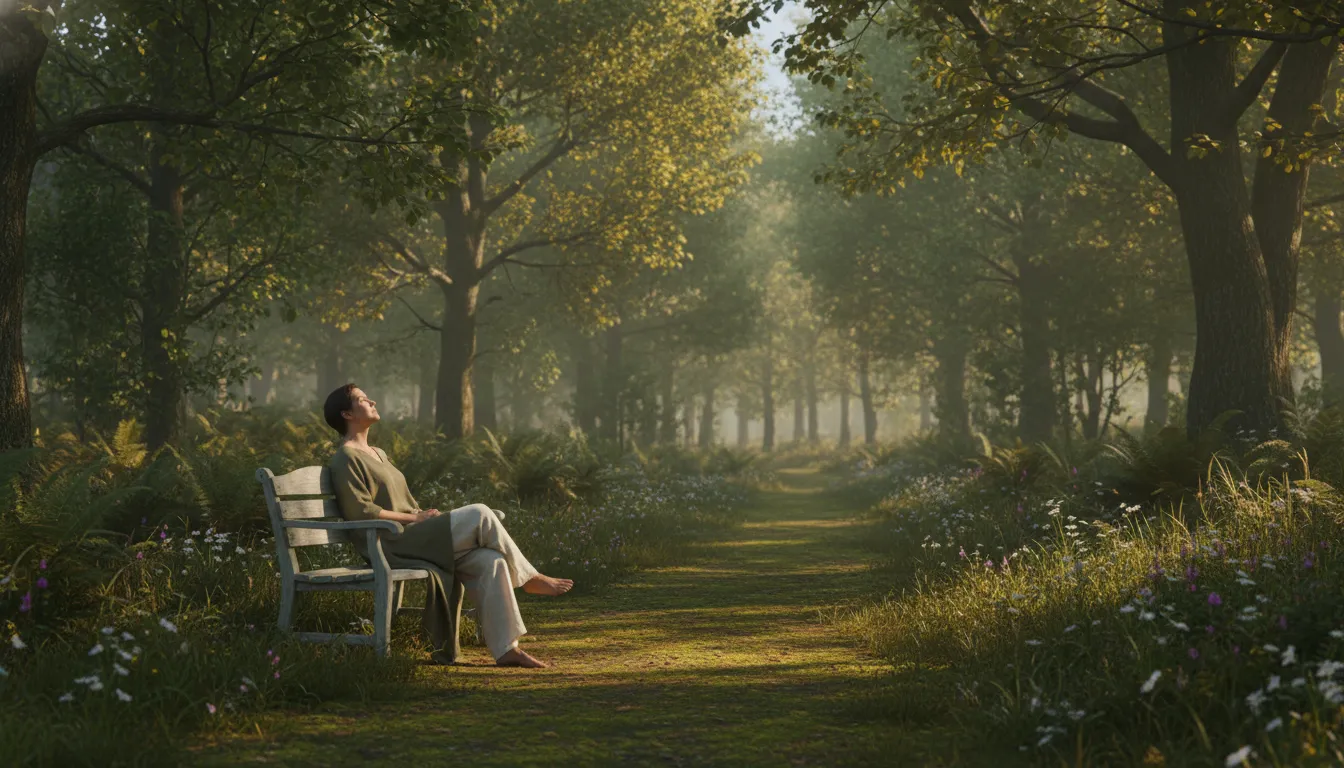
Spending time in nature is one of the oldest — and at the same time, most current — ways to take care of yourself. It’s not a magical solution or a universal recipe, but a practice that, for many people, can genuinely contribute to emotional and physical balance.
Amid the hustle and bustle of the contemporary world, stopping to listen to the wind through the trees or feel the grass under your feet may seem like a luxury. But perhaps it is, in fact, a necessity — and one that is within reach for many of us, even in big cities.
How about taking the first step this week?
This content is informative and educational and does not replace the evaluation, diagnosis, or treatment performed by a qualified health professional. Each person has unique needs: always consult a doctor, psychologist, or other qualified professional for individual guidance.