Effective Breathing Techniques to Alleviate Anxiety
Have you ever felt that familiar sensation of a racing heart, spiraling thoughts, and a chest pressure that seems endless? Anxiety is one of the most common experiences in modern life, and as of 2026, it remains a leading reason for seeking mental health support worldwide. According to the World Health Organization, anxiety disorders are among the most prevalent globally, affecting hundreds of millions of people. But before we discuss solutions, it’s important to say: you are not alone, and what you feel has a name, an explanation, and yes, there are paths to care.
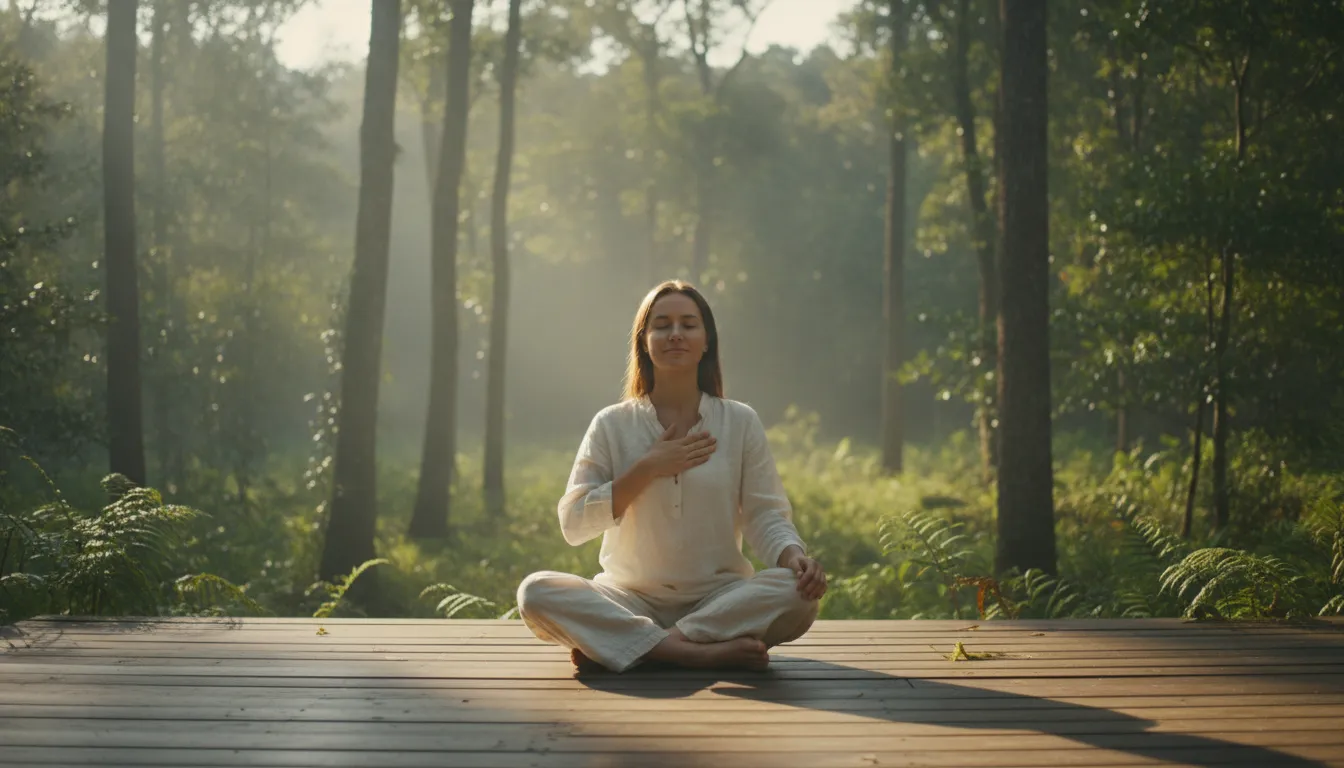
One of the most accessible and studied tools for managing anxiety symptoms is something you do all the time, often without noticing: breathing. The way we breathe has a direct connection to the autonomic nervous system, which regulates our stress responses. When anxiety arises, breathing tends to become faster and shallower, which can further intensify physical symptoms. Slower and deeper breaths, on the other hand, often help activate the parasympathetic nervous system, responsible for the state of calm and recovery.
This article compiles evidence-based information on breathing techniques that can help reduce anxiety symptoms in daily life. The goal is to offer practical and supportive knowledge, not to replace professional health care. If you’re going through a tough time, remember: seeking help is an act of courage, not weakness.
Why Does Breathing Affect Anxiety?
To understand why breathing differently can make a difference, it’s worth knowing a bit about the physiology behind it.
The autonomic nervous system has two main divisions: the sympathetic system, associated with fight or flight reactions (increased heart rate, muscle tension, rapid breathing), and the parasympathetic system, related to rest and digestion (calm, recovery, relaxation). In anxiety situations, the sympathetic system tends to dominate.
Breathing is the only autonomic function that we can also consciously control. Studies suggest that slow breaths, with an emphasis on prolonged exhalation, can stimulate the vagus nerve, the main component of the parasympathetic system. This stimulation often contributes to reducing heart rate and body tension.
Furthermore, when we breathe very quickly and shallowly (hyperventilation), blood carbon dioxide levels drop, which can cause dizziness, tingling, and a sense of unreality, symptoms that, in turn, increase panic. Conscious breathing techniques help interrupt this cycle.
Scientifically Supported Breathing Techniques
1. Diaphragmatic (Abdominal) Breathing
Diaphragmatic breathing is considered the foundation of many other techniques. Instead of expanding only the chest, the goal is to expand the abdomen, using the diaphragm fully.
How to practice:
- Sit or lie down in a comfortable position.
- Place one hand on your chest and the other on your abdomen.
- Inhale slowly through your nose, letting your abdomen expand. The hand on your chest should move as little as possible.
- Exhale through your nose or mouth, feeling your abdomen relax.
- Repeat for 5 to 10 minutes.
Studies suggest that regular practice of diaphragmatic breathing can contribute to reducing physiological stress markers, such as cortisol levels. It is a technique widely taught in psychotherapy and cardiopulmonary rehabilitation contexts.
2. 4-7-8 Breathing
Popularized by American doctor Andrew Weil and based on yoga practices (pranayama), this technique proposes a specific rhythm that often helps induce relaxation.
How to practice:
- Exhale completely through your mouth, making a slight sound.
- Close your mouth and inhale through your nose, counting mentally to 4.
- Hold your breath, counting to 7.
- Exhale completely through your mouth, counting to 8.
- This completes one cycle. Start with 3 to 4 repetitions.
Note: People with a history of hypertension, respiratory, or cardiovascular diseases should consult their doctor before practicing techniques that involve holding the breath.
3. Box Breathing
Used by special forces teams, high-performance athletes, and healthcare professionals in high-pressure situations, box breathing is known for its simplicity and effectiveness in focus and emotional regulation.
How to practice:
- Inhale through your nose, counting to 4.
- Hold your breath, counting to 4.
- Exhale slowly, counting to 4.
- Hold without air, counting to 4.
- Repeat the cycle 4 to 6 times.
The symmetry of the times creates a regular rhythm that can help “anchor” the mind in the present moment, interrupting anxious thought patterns.
4. Prolonged Exhalation
One of the simplest techniques with a good physiological basis is simply exhaling for longer than you inhale. Studies on heart rate variability suggest that longer exhalations tend to activate the parasympathetic system more efficiently.
How to practice:
- Inhale through your nose for 4 counts.
- Exhale through your nose or mouth for 6 to 8 counts.
- No need to hold your breath.
- Repeat for 5 minutes.
This is one of the most recommended techniques for beginners as it is gentle and easy to adapt to each person’s rhythm.
5. Alternate Nostril Breathing (Nadi Shodhana)
Originating from Indian yoga, this technique involves alternating breathing between the two nostrils. Some preliminary research suggests it may contribute to reducing anxiety and improving calm alertness, although more studies are needed to confirm its mechanisms.
How to practice:
- Sit comfortably with a straight spine.
- Close your right nostril with your thumb and inhale through the left.
- Close both nostrils for a moment.
- Release the right nostril and exhale through it.
- Inhale through the right nostril, close both, and exhale through the left.
- This completes one cycle. Repeat 5 to 10 times.
How to Create a Consistent Practice
Knowing the techniques is the first step, but consistency is what usually brings more noticeable results over time. Some practical tips:
- Choose a fixed time: morning upon waking, before bed, or during work breaks are good starting points. Speaking of breaks, this is a topic we delve into more deeply in Why Breaks During Work Make a Difference.
- Start with short sessions: 5 minutes can be enough for a start. There’s no need to practice for hours.
- Use apps or guided audios: there are now many free digital tools that guide breathing sessions, which can help with consistency.
- Practice also in calm moments: don’t wait for an anxiety crisis to use the techniques. Regular practice in neutral moments helps the body “learn” the relaxation response, making it more accessible when stress appears.
- Combine with other well-being practices: breathing techniques often work well alongside regular physical exercise, which also plays a well-documented role in mental health. You can learn more at How Much Weekly Exercise is Enough for Your Health?.
What to Expect (Realistically)
It’s important to have honest expectations. Breathing techniques can help reduce anxiety symptoms, especially the physical and immediate ones, like a racing heart and feeling of suffocation. They are emotional regulation tools, not treatments for anxiety disorders.
For many people, these practices work well as part of a broader care set, which may include psychotherapy, physical activity, quality sleep, social connections, and, when necessary, medical or psychiatric support.
There is no “miraculous” technique or guaranteed result. What scientific literature suggests is that regular practice tends to be more effective than sporadic use during crises.
When to Seek a Health Professional
Breathing techniques are valuable self-care tools, but there are situations where professional support is crucial:
- If anxiety significantly interferes with your life, work, or relationships.
- If you experience frequent or very intense panic attacks.
- If anxiety is accompanied by persistent physical symptoms that haven’t been evaluated by a doctor.
- If you have thoughts of self-harm or that life isn’t worth living.
- If self-care alone doesn’t seem sufficient.
Psychologists and psychiatrists are the professionals qualified to assess and treat anxiety disorders. Cognitive-behavioral therapy, for example, has solid evidence of efficacy for anxiety and often includes breathing techniques as part of the process.
If you’re in intense distress now, know that you don’t have to face this alone. The CVV (Centro de Valorização da Vida) offers free and confidential listening 24 hours a day, 7 days a week, at the number 188. In emergencies, seek the nearest emergency room or call SAMU (192).
Conclusion
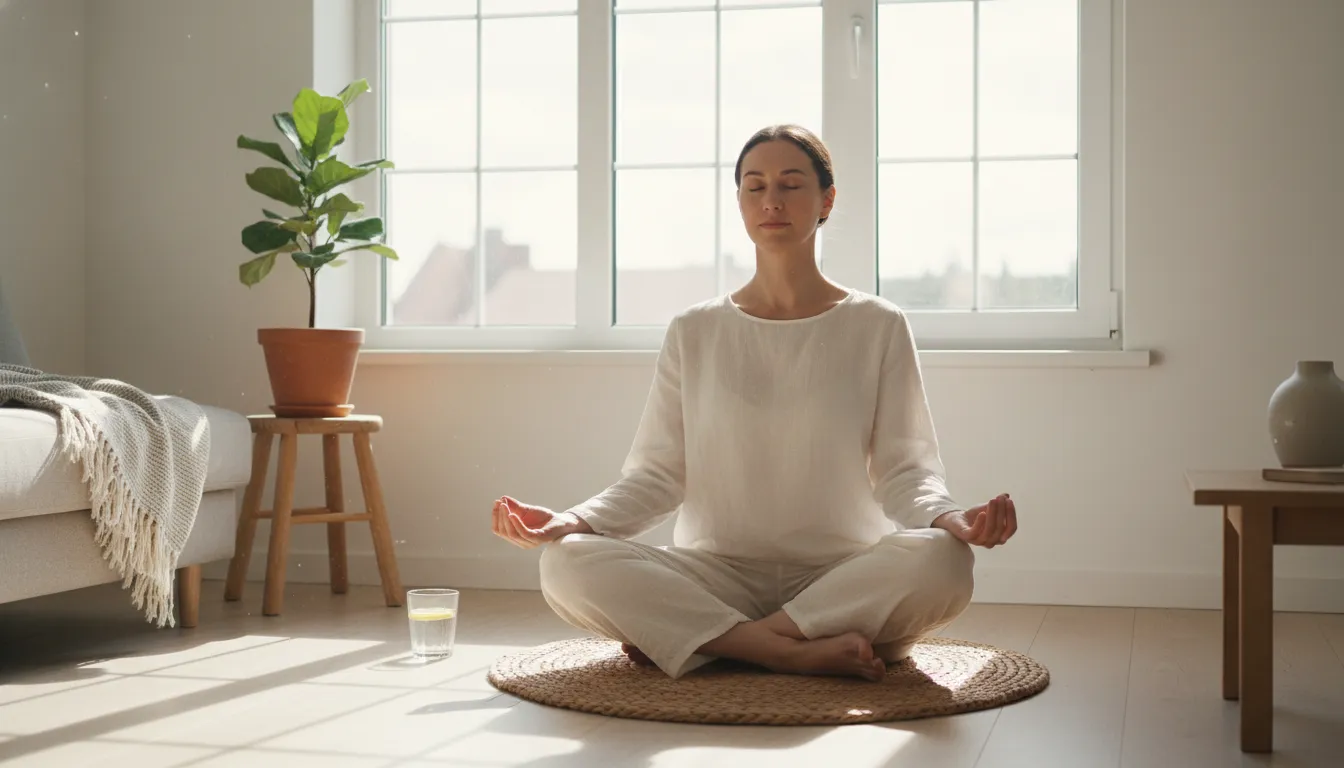
Breathing is a simple act we carry with us all the time, anywhere, at no cost. Learning to use it consciously can be a gentle and powerful step in mental health care.
Whether it’s diaphragmatic breathing before bed, box breathing in the middle of a hectic day, or prolonged exhalation in a moment of tension, each of these practices represents a way to tell your nervous system: you can relax now.
Start slowly, without pressure. Choose a technique, try it for a few days, and observe how you feel. And remember: taking care of yourself is not a luxury. It’s a necessity.
This content is informative and educational and does not replace the assessment, diagnosis, or treatment by a qualified health professional. Each person has unique needs. If you have questions about your mental or physical health, consult a doctor, psychologist, or other qualified professional.