
Introduction
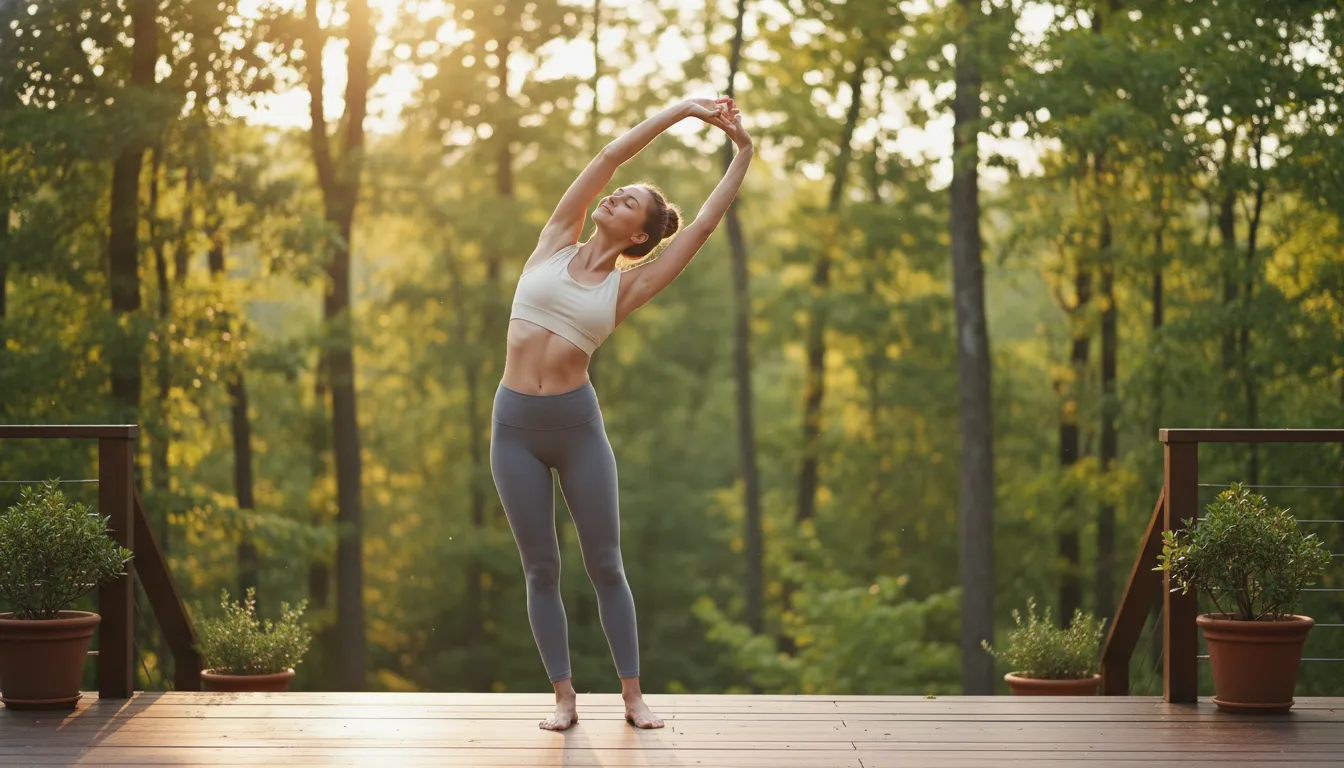
Imagine waking up in the morning, stretching while still in bed, and feeling that immediate satisfaction as your body responds to the movement. This simple, almost instinctive gesture, which we do without even thinking, is a primitive version of what we call stretching. Now think: what would happen if you turned this natural impulse into a conscious habit, just a few minutes a day?
Daily stretching is one of the most accessible and least demanding practices out there. It requires no equipment, gym, or prior physical conditioning. Yet, many people overlook it, treating it as a dispensable “extra” in their routine—something for when there’s time, which rarely happens. The reality, however, is that the body feels the difference when this care is present.
In this article, we will explore honestly and based on what science has already investigated what regular stretching can do for your body—for mobility, posture, mental well-being, and quality of life in daily life. There are no miraculous promises here, but there are interesting evidence and practical guidelines for those who want to start or better understand this habit.
What Happens to Your Body When You Stretch
To understand the benefits of stretching, it helps to know what happens in the tissues during movement. When you stretch a muscle in a controlled manner, the muscle fibers and the surrounding connective tissue—called fascia—are gently pulled. Over time and with regular practice, this tension can contribute to increased range of motion, meaning the distance a joint can comfortably travel.
Besides muscles, tendons and ligaments also respond to stretching. Studies published in physiotherapy and sports medicine journals suggest that regular practice often contributes to greater flexibility of soft tissues, which can reduce the feeling of stiffness—especially that which many people report upon waking or after long periods of sitting.
Another relevant aspect is local blood circulation. When a muscle is stretched and then relaxed, there is an improvement in blood flow to the region, promoting tissue nourishment. This effect, although modest, is often perceived as a feeling of lightness or relief after the session.
Flexibility and Mobility: What’s the Difference (and Why They Matter)
These two terms often appear together, but they are not synonymous, and understanding the difference helps to have more realistic expectations.
- Flexibility refers to the ability of a muscle to stretch passively—meaning how far it goes when you stretch it without active effort.
- Mobility is broader: it involves the ability to move a joint actively through its full range, with control and strength.
Daily stretching primarily works on flexibility, but when combined with other exercises—like yoga or pilates—it also contributes to mobility. In daily practice, this translates into being able to pick something up from the floor more easily, turn your neck to check traffic, squat without discomfort, or simply sit and stand with more ease.
The good news is that studies suggest that flexibility responds well to training at any age. This means it’s never too late to start including stretching in your routine.
Posture, Muscle Pain, and Daily Tension
One of the most reported benefits by those who adopt regular stretching is improved posture and reduced chronic muscle tension—especially in the neck, shoulders, and lower back, the areas most affected by those who spend hours in front of a screen.
Inadequate posture for long periods tends to shorten some muscle groups (such as hip flexors and the chest) and overload others (such as the spine extensors). Stretching can help balance these tensions over time, although it’s important to remember that posture involves multiple factors—and that a physiotherapist or physical educator is the most suitable professional to assess and guide each individual case.
Regarding muscle pain, research suggests that regular stretching can contribute to reducing the feeling of stiffness and discomfort, especially when practiced consistently. However, the effect is not immediate nor guaranteed for everyone: each body responds differently, and specific health conditions need to be evaluated by a professional.
The Mental Side of Stretching: More Than Physical Movement
Here begins one of the most interesting and least talked about aspects of stretching. Moving the body consciously and attentively has an impact that goes beyond muscles.
Practices involving stretching—such as yoga and tai chi—have been studied in relation to stress and anxiety management. Studies published in journals like the Journal of Clinical Psychology and the International Journal of Yoga suggest that these practices can contribute to reducing physiological stress markers, such as cortisol levels, as well as promoting subjective feelings of well-being.
The mechanism behind this seems to involve several factors:
- Mindful attention to movement (similar to meditation), which can help interrupt the cycle of racing thoughts.
- Activation of the parasympathetic nervous system, responsible for the “rest and digest” state, counteracting the constant alert state.
- Release of accumulated muscle tension, which many people unconsciously associate with emotional stress.
If the topic of the relationship between exercise and mental health interests you, it’s worth checking out the article Exercise and Mood: What’s the Relationship Between Them? here on the blog.
How to Create a Stretching Routine: Where to Start
The good news is that there is no single mandatory protocol. What matters is consistency, not perfection. Below are some general guidelines for those who want to start:
- Choose a time of day that works for you. It can be upon waking, before bed, after a walk, or during a work break. The best time is the one you can maintain.
- Start with 5 to 10 minutes. A long session is not necessary to feel the effects over time. Daily consistency of short duration tends to be more effective than long and sporadic sessions.
- Respect your body’s limits. Stretching should not cause pain. You should feel a light to moderate tension—a sensation of “gentle pull”—but never sharp pain. If you feel pain, stop.
- Breathe during the movement. Slow, conscious breathing enhances the relaxing effect and helps muscles yield more easily. If you want to explore more on the topic, the article Effective Breathing Techniques to Relieve Anxiety might be a good complementary read.
- Hold each position for 20 to 60 seconds. Most physical education guidelines suggest this time as suitable for static stretches in healthy adults.
- Do not force cold joints. If you are going to do intense stretching, it is wise to perform some light warm-up beforehand—such as a short walk or gentle movements.
- Be consistent. The results of stretching are cumulative. After weeks of regular practice, many people report noticing real differences in mobility and overall well-being.
Types of Stretching: A Quick Guide
There are different approaches, and knowing them can help choose what makes the most sense for your moment:
| Type | How It Works | When to Use |
|---|---|---|
| Static | Holds the position for a few seconds without movement | After exercise or daily |
| Dynamic | Controlled and repetitive movements | Before physical activities |
| PNF (Proprioceptive Neuromuscular Facilitation) | Combines muscle contraction and relaxation | Usually guided by a physiotherapist |
| Yoga / Pilates | Integrates stretching, strength, and breathing | Regular wellness practice |
For most people in everyday life, static stretching is the simplest and safest to practice alone. The other types have their specific indications, and when there is a health condition involved, professional guidance is always recommended.
When to Seek a Health Professional
Stretching is generally a safe practice for most people. But there are situations where it is important to seek evaluation before starting or continuing:
- Pain during or after stretching, especially intense, localized, or persistent pain.
- History of muscle, tendon, or joint injuries.
- Conditions like osteoporosis, arthritis, herniated discs, or rheumatic diseases—where the type and intensity of stretching need to be adapted.
- Pregnancy, a phase where the body undergoes hormonal changes affecting ligament laxity.
- Feeling of numbness, tingling, or weakness associated with movement—which may indicate something beyond simple muscle tension.
Also, pay attention to body signs you should not ignore that may require medical attention. A physiotherapist, physical educator, or doctor can indicate the most suitable type of stretching for your specific case.
Conclusion
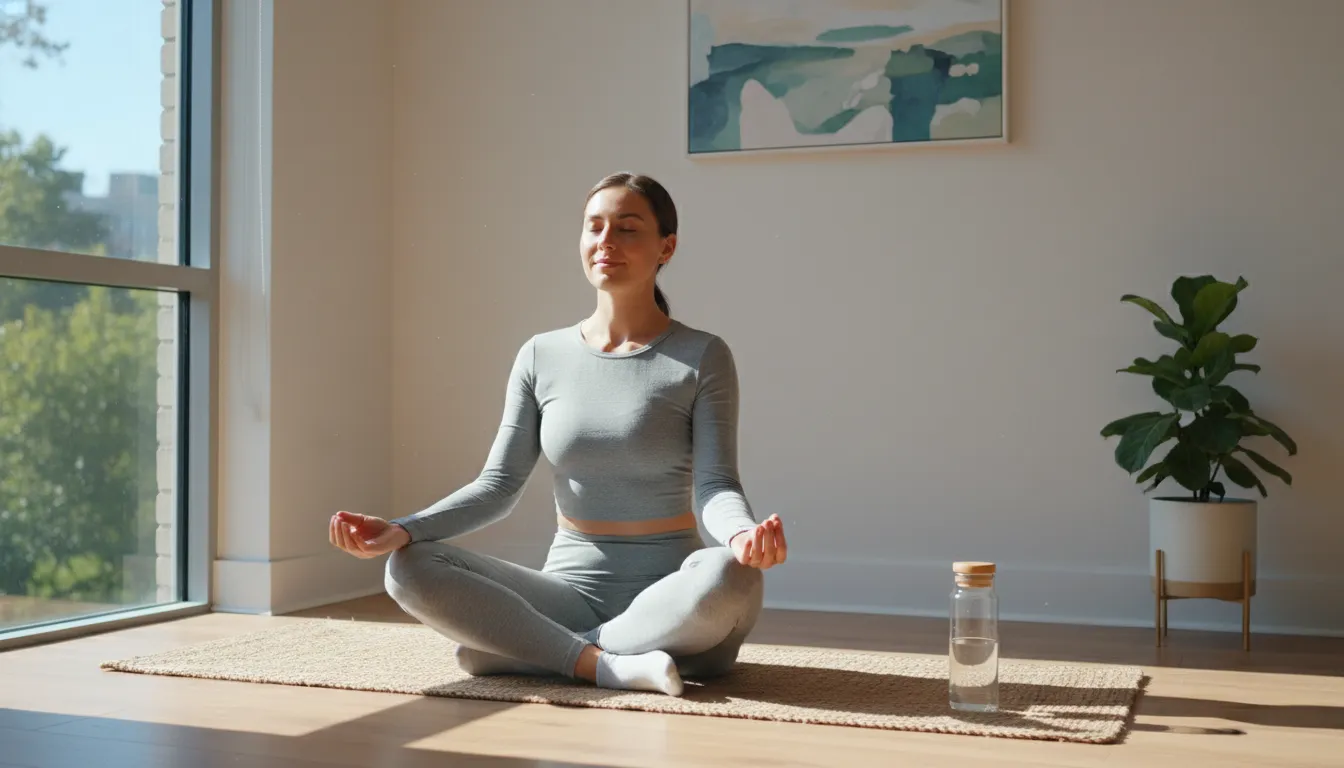
Daily stretching is not a solution for everything, and it doesn’t need to be. It is, above all, a way to gently care for the body—to set aside a few minutes a day to listen to what your muscles, joints, and even your mind need.
The benefits described here do not happen overnight, and each person’s experience is unique. But there is something special about such a simple habit that requires no financial investment, can be done anywhere, and offers the body a moment of pause and attention amidst an often hectic routine.
If you are thinking about starting, start slowly. Respect your limits. And if you have doubts or specific health conditions, talk to a professional before proceeding. Caring for the body is always more effective when done with adequate information and support.
This content is informative and educational and does not replace evaluation, diagnosis, or treatment by a qualified health professional. If you have pain, limitations, or specific conditions, consult a doctor, physiotherapist, or physical educator before starting any practice.