
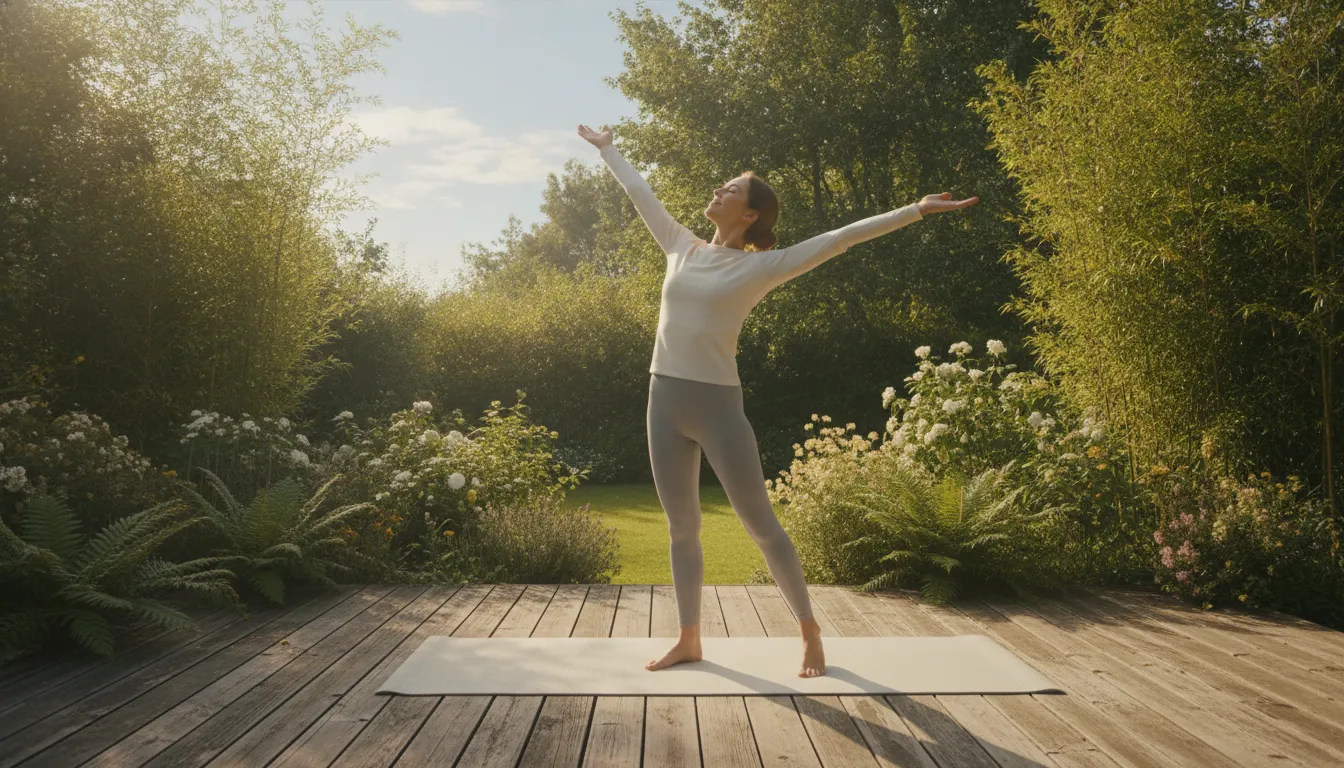
Daily Stretching: Benefits for Body and Mind
Have you ever woken up feeling stiff, as if your muscles are crying for help after hours of inactivity? Or spent an entire day in front of the computer, only to realize your shoulders are tense and your neck is tight? These situations are more common than they seem — and daily stretching can be a simple, accessible, and potent solution to make everyday life more comfortable.
In 2026, with increasingly sedentary lifestyles and constant screen presence in our daily lives, taking care of body mobility and flexibility is no longer exclusive to athletes or gym-goers. Health professionals, physiotherapists, and researchers emphasize the importance of regular movement — even if gentle — as part of a balanced routine. Stretching, especially when practiced consistently, often contributes in ways that go beyond the physical.
This article explores what evidence says about the benefits of daily stretching, how to incorporate it into your routine safely and enjoyably, and when it’s important to seek professional guidance. The goal isn’t to convince you that it will “change your life overnight,” but to provide honest information so you can make more informed decisions about your well-being.
What Happens to the Body When We Stretch?
To understand the benefits, it’s worth knowing a bit about the mechanics behind the movement. When you stretch a muscle, you’re temporarily increasing its length and stimulating structures like tendons, fascia (the connective tissue surrounding muscles), and joints.
Generally, studies suggest that regular stretching can:
- Increase joint range of motion over time
- Reduce muscle stiffness, especially after prolonged periods of inactivity
- Improve local blood circulation, aiding nutrient delivery to tissues
- Decrease the risk of minor injuries related to lack of mobility, especially in daily activities
It’s important to know that there are different types of stretching — static (holding a position for a few seconds), dynamic (controlled and progressive movements), and PNF (proprioceptive neuromuscular facilitation, used in more specific contexts). Each type has different indications, and a physical education professional or physiotherapist can guide you on which is most suitable for you.
Physical Benefits: Beyond Flexibility
When we think of stretching, the first word that usually comes to mind is “flexibility.” But the physical benefits go a bit beyond that.
Posture and Tension Relief
Sitting for long hours — whether at work, in transport, or at home — tends to create imbalanced muscle patterns: some muscles shorten, others weaken. Regular stretching, combined with attention to posture, can help alleviate these accumulated tensions, especially in areas like the neck, shoulders, and lower back.
Quality of Movement in Daily Life
Climbing stairs, bending down to pick something up, carrying bags — all these activities depend on a certain range of motion. Over the years, this mobility can naturally decrease, but studies suggest that regular stretching helps maintain it for longer.
Recovery After Exercise
For those who engage in physical activity, post-workout stretching is often recommended as a way to aid muscle recovery and reduce the feeling of stiffness in the following hours. Although research still debates the details of this effect, the practice is generally well-tolerated and reported as beneficial by practitioners.
Mental Benefits: What Science Suggests
You might not immediately associate stretching with mental health — but this connection is more studied than it seems.
Reduction of Perceived Stress
The act of stopping, breathing, and moving the body intentionally activates the parasympathetic nervous system — the one responsible for the “rest and digest” state, in contrast to the alert state. Research in psychophysiology suggests that practices combining gentle movement and breath awareness, like mindful stretching and yoga, may be associated with reduced perceived stress levels.
Improved Mood and Disposition
Moving the body — even lightly — stimulates the release of substances like endorphins and serotonin. Although the effect of isolated stretching is less than that of aerobic exercises, it often contributes to a general sense of well-being and relief from mental tension accumulated throughout the day.
Mindfulness in Motion
Stretching can be a gateway to mindfulness practices — paying full attention to the present moment. By focusing on the sensation of each muscle, the breath, and the body’s limitations, many people report a genuine pause from the fast-paced mental flow of daily life. This pause, however brief, has real value for mental health.
How to Create a Stretching Routine: Step by Step
The good news is that you don’t need equipment, a gym, or much time to start. Here’s a way to structure an initial practice:
- Choose a time of day — morning upon waking, during a work break, or at night before bed. Consistency matters more than the perfect timing.
- Set aside 10 to 15 minutes to start. It doesn’t need to be long to be useful.
- Warm up lightly beforehand — a few steps in place, gentle arm and hip movements for 2 to 3 minutes help prepare the body.
- Select 4 to 6 muscle groups to work on — neck, shoulders, chest, back, hips, and calves are good starting points for those who spend a lot of time sitting.
- Hold each position for 20 to 30 seconds (in static stretching), breathing calmly and without forcing to the point of pain.
- Respect your limits — the sensation should be of light and comfortable tension, never sharp pain.
- Be gentle with yourself — days when the body is stiffer are normal. Don’t compare yourself to yesterday.
Incorporating stretching into an organized routine can facilitate consistency and enhance the benefits for overall well-being.
Myths and Truths About Stretching
With so much information circulating, it’s common to encounter misconceptions. Here are some points that deserve attention:
| Myth | What Evidence Suggests |
|---|---|
| “Stretching before exercise prevents injuries” | Current studies indicate that dynamic warm-up is more effective for this; intense static stretching pre-workout can even temporarily reduce performance |
| “The more it hurts, the more it’s working” | Pain during stretching is a sign something is not right. The sensation should be of comfortable tension |
| “Only inflexible people need to stretch” | Everyone benefits from the practice, regardless of flexibility level |
| “Results appear in days” | Flexibility improvement is gradual and depends on consistency over weeks and months |
Stretching and Mental Health: A Necessary Conversation
It’s worth emphasizing that stretching, like any physical self-care practice, can be a valuable support — but it doesn’t replace medical or psychological attention when there is intense suffering.
If you notice persistent anxiety, prolonged sadness, sleep difficulties, or other symptoms affecting your quality of life, seeking the support of a psychologist or psychiatrist is an important and courageous step. Caring for the body and mind go hand in hand — and health professionals are there precisely for this.
If you are experiencing intense suffering or crisis, remember: the CVV (Center for Life Valuation) offers 24-hour support at 188, free of charge. In emergencies, seek the nearest health service.
When to Seek a Health Professional
Stretching is generally safe for most people, but there are situations where professional guidance is essential:
- If you have chronic pain, old injuries, or conditions like herniated disc, arthritis, or osteoporosis
- If you experience sharp pain during or after stretching
- If you have doubts about which type of stretching is most suitable for your profile
- If you are recovering from surgery or injury
- If you want to set up a more structured and personalized routine
Physiotherapists and physical education professionals are the specialists recommended to guide stretching practices in an individualized and safe manner. Don’t hesitate to consult one.
Conclusion
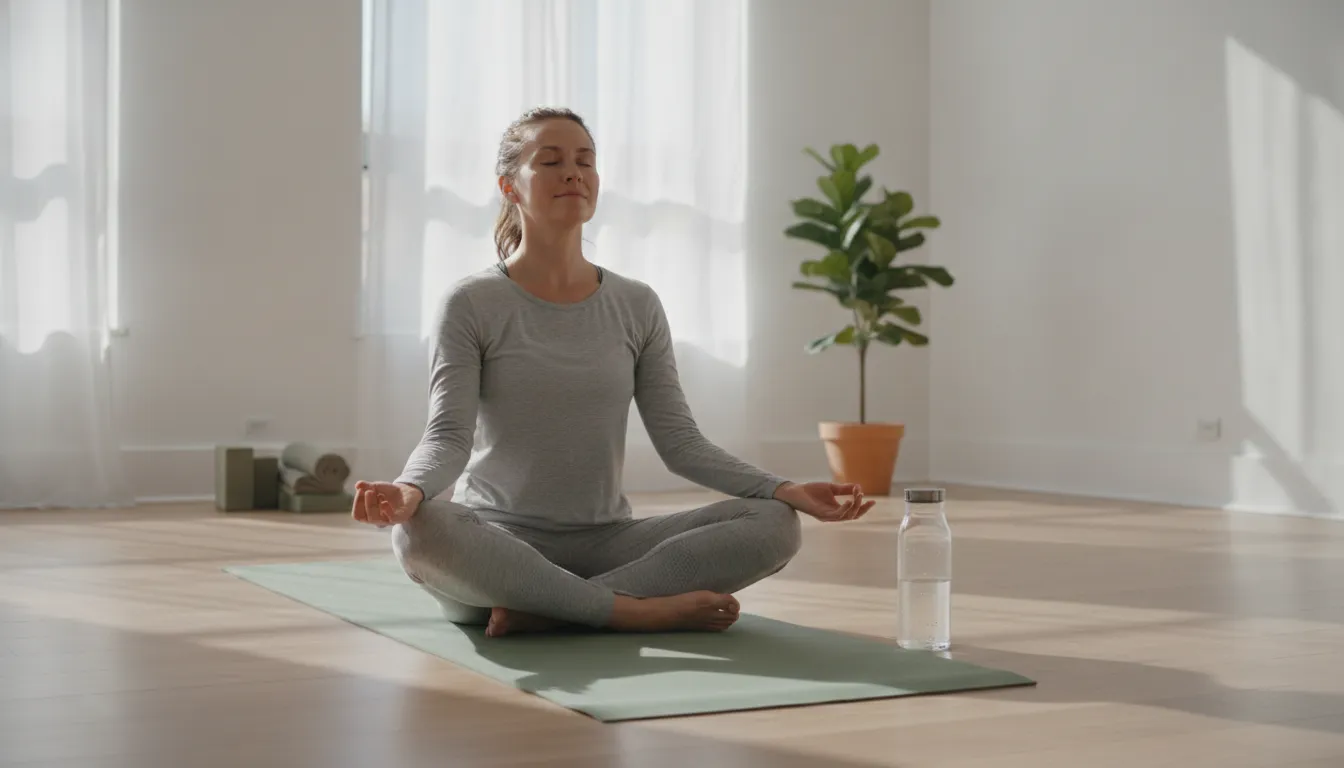
Daily stretching is one of the simplest practices there is — and for that reason, often underestimated. It doesn’t require expensive equipment, doesn’t demand hours of your day, and can be done anywhere. More than improving flexibility, it often contributes to the quality of movement, relief of physical and mental tensions, and that feeling of being more present in your own body.
Starting slowly, with attention and respect for your limits, is already a significant step. And if you’re thinking about building healthier habits more broadly, remembering the importance of rest is also part of this path — after all, body and mind renew when they have space for it.
Take care of yourself with kindness — and seek professional support whenever needed. You deserve this care.
This content is informative and educational, produced by health and wellness writers. It does not replace the evaluation, diagnosis, or recommendation of a qualified health professional. Each person has individual needs, and a doctor, physiotherapist, or other qualified professional is the best person to guide your specific case.