
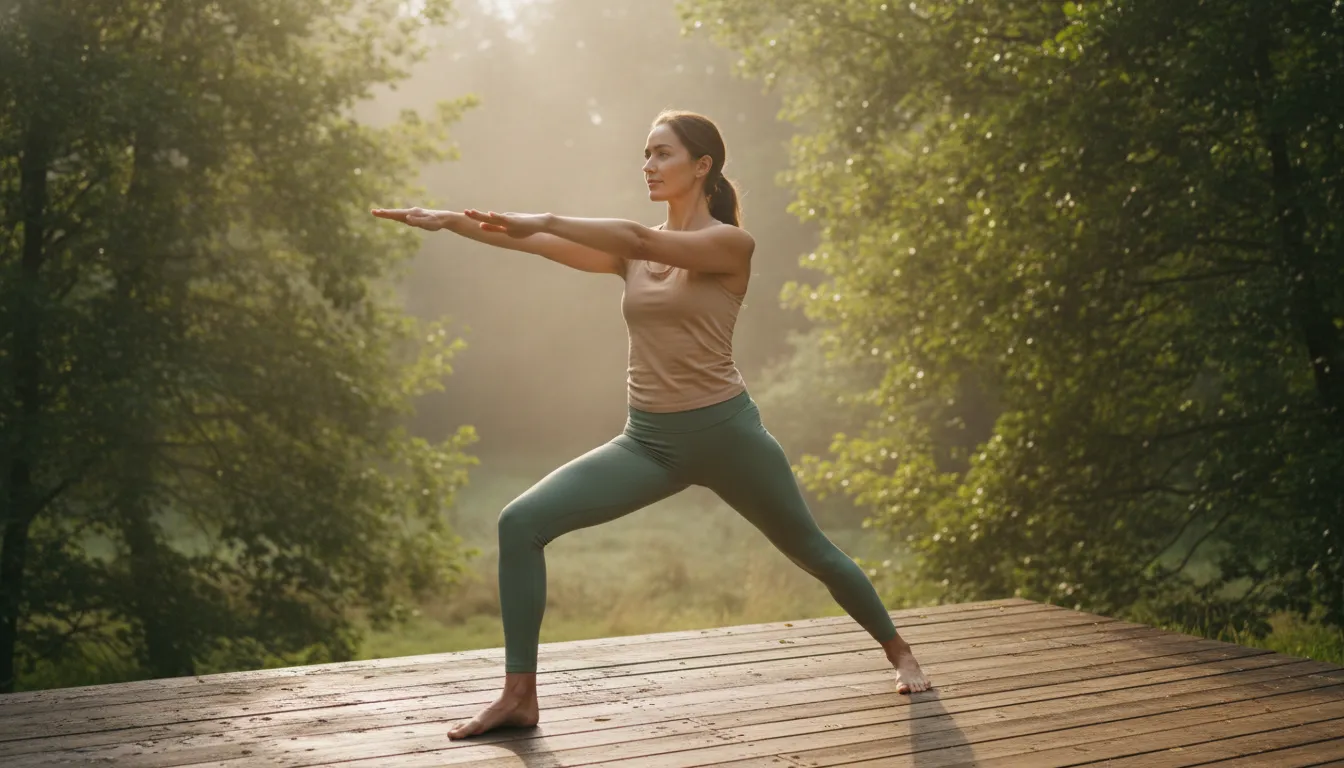
Discover Yoga: Benefits and How to Start Practicing Safely
Have you ever felt that both your body and mind are asking for a break—not just for rest, but for reconnection? In an increasingly fast-paced world, with constant notifications and packed schedules, many people seek practices to help find balance more intentionally. Yoga has frequently appeared in this search, and it’s not by chance.
Originating from India, with records dating back over five thousand years, yoga is much more than a series of physical postures. It combines movement, breathing, meditation, and life philosophy into an integrated practice. Over the past decades, it has gained space not only in gyms and studios but also in hospitals, rehabilitation centers, and corporate wellness programs worldwide—including in Brazil.
This article was created to help you understand what yoga is, its different styles, what science has explored about its possible benefits, and how to start safely. Remember: the content here is educational and general. Each person has a unique story, body, and needs—so whenever you start a new practice, especially if you have any health conditions, consulting a professional is the safest path.
What Exactly is Yoga?
The word yoga comes from Sanskrit and means, approximately, “union” or “yoke”—the idea of integrating body, mind, and spirit. It is a philosophical and practical system developed in ancient India, with roots in the Vedic texts and influentially systematized in the Yoga Sutras, attributed to the sage Patanjali, likely written between the 2nd century BCE and the 4th century CE.
In the traditional view, yoga consists of eight “limbs” (ashtanga), ranging from ethical conduct principles to deep meditation techniques. The physical postures (asanas) that most people know today are just one of these limbs—giving an idea of how the practice is much broader than what appears in social media photos.
In the contemporary context, yoga reached the West mainly through physical postures and breathing techniques (pranayama), adapted to different audiences and goals. This led to the emergence of dozens of styles and approaches, each with its own characteristics.
Main Styles of Yoga
There is a wide variety of styles, and choosing the most suitable one depends on your goals, physical conditioning, and personal preferences. Here are some of the most common ones:
- Hatha yoga: considered the foundation of many other styles, it works on postures and breathing at a more accessible pace. It’s a good entry point for beginners.
- Vinyasa: connects movement and breath in a fluid sequence. The pace is usually more dynamic.
- Iyengar: emphasizes precise alignment of postures, often using props like blocks and straps. It can be recommended for those needing adaptations.
- Yin yoga: postures held for longer periods, aimed at deep relaxation and joint mobility.
- Restorative yoga: uses supports to hold the body in passive postures, focusing entirely on relaxation and recovery.
- Ashtanga yoga: follows a fixed sequence of postures at a more intense pace. Requires conditioning and progressive experience.
- Kundalini yoga: combines postures, breathing, chanting, and meditation, with a strong emphasis on spiritual and energetic aspects.
There is no “better” style—only the one most suitable for you at this moment in your life.
What Studies Suggest About Yoga’s Benefits
In recent decades, yoga practice has been studied more rigorously by science. It’s important to be honest: research still has limitations, such as small sample sizes and methodological variations between studies. Nonetheless, there is suggestive evidence in several areas.
Mental Health and Emotional Well-being
Studies suggest that regular yoga practice can contribute to reducing perceived levels of stress and anxiety. It is believed that this involves, among other mechanisms, the activation of the parasympathetic nervous system—the one associated with relaxation—through breathing and mindfulness techniques.
Research has also explored yoga’s role as a complementary practice in managing symptoms of mild to moderate depression. The World Health Organization recognizes integrative and complementary practices as part of broader health care, provided they do not replace conventional treatments recommended by professionals.
If you are experiencing intense emotional distress, remember: seeking support from a psychologist or psychiatrist is essential. Yoga can be an ally, but it does not replace professional guidance. You can find ways to start this care by reading about emotional health: where to start taking care of yourself.
> In crisis or intense distress situations, the CVV (Centro de Valorização da Vida) offers free support at 188, 24 hours a day. In emergencies, seek immediate medical attention.
Flexibility, Strength, and Mobility
Regular practice of asanas often contributes to increased muscle flexibility and joint mobility over time. Additionally, many postures require functional strength—especially of the core, upper, and lower limbs.
These benefits can complement other exercise styles and are quite relevant for overall musculoskeletal health. If you’re already interested in working on mobility, it might also be useful to learn about the benefits of daily stretching for body and mind.
Sleep Quality
Some research suggests that yoga may be associated with improved sleep quality, especially in older adults and people with insomnia. The mechanisms investigated involve stress reduction and improved regulation of the autonomic nervous system.
Cardiovascular Health and Blood Pressure
There are studies suggesting that yoga may contribute to lowering blood pressure in people with mild hypertension and that regular practitioners tend to have heart rate variability indicators associated with better cardiovascular health. However, these data need to be interpreted with caution and always in conjunction with medical guidance.
How to Start Practicing Yoga Safely
If you’ve never practiced, here’s a practical path to start well:
- Consult a health professional first—especially if you have pre-existing health conditions, injuries, pregnancy, or physical limitations. A doctor or physiotherapist can advise on what’s safe for your case.
- Choose a style suitable for your level—for beginners, styles like Hatha or Restorative Yoga are usually more accessible. Avoid very intense styles at the start.
- Find a qualified teacher—good in-person instruction makes a difference, especially at the beginning, to learn correct alignment and avoid injuries. Check the professional’s qualifications.
- Start with short sessions—sessions of 20 to 30 minutes can be a good start. Consistency over time tends to matter more than duration.
- Respect your body’s limits—yoga is not a competition. Intense discomfort or pain are signs to stop and, if necessary, consult a professional.
- Use appropriate clothing and accessories—comfortable clothes and a non-slip mat are basic. Blocks and straps can help with adaptations.
- Be patient with yourself—the effects of practice usually appear gradually, with regularity over weeks and months.
Yoga as a Complementary—not Substitute—Practice
It’s important to clarify: yoga is considered an integrative and complementary practice. This means it can be a valuable resource alongside medical or psychological treatments, but should not replace professional guidance, prescribed medications, or other treatments indicated for specific conditions.
Both the Brazilian Ministry of Health and the World Health Organization recognize the value of integrative practices within an expanded approach to health care. In Brazil, yoga is even part of the National Policy of Integrative and Complementary Practices (PNPIC) of SUS since 2017.
When to Seek a Health Professional
Before starting yoga practice, or if doubts arise during it, consider seeking professional guidance in the following cases:
- You have a diagnosis of cardiovascular conditions, osteoporosis, spinal problems, joint injuries, or other chronic conditions
- You are pregnant or postpartum
- You have recently undergone surgery
- You experience pain, dizziness, or intense discomfort during or after practice
- You are using yoga as support for mental health and realize you need more support—in this case, a psychologist or psychiatrist can be essential
- You have doubts about which style or intensity is suitable for you
Conclusion
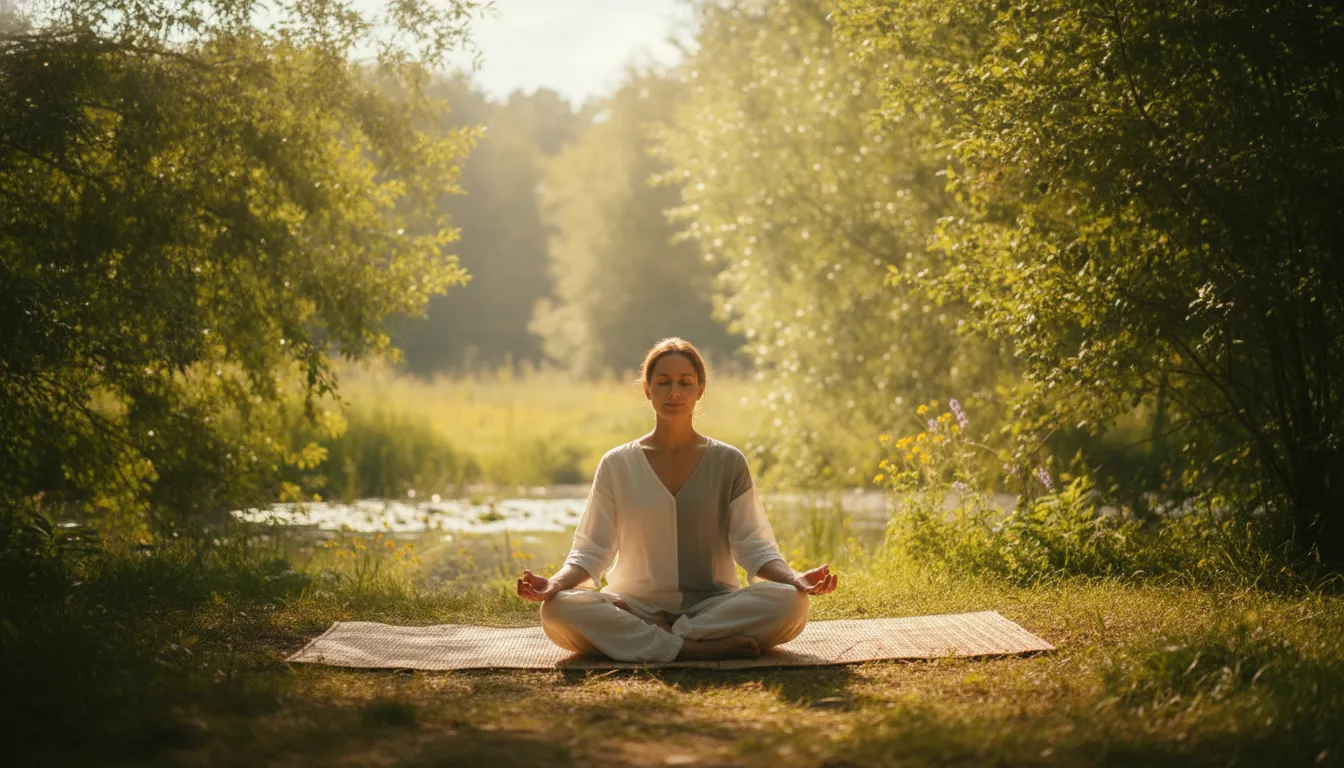
Yoga is an ancient practice that, adapted to the contemporary context, can offer a valuable space for caring for both body and mind. From relaxation to muscle strengthening, from stress management to improved sleep quality, the potential benefits are varied—and science continues to investigate with growing interest.
Most importantly, however, is that you feel good in the process. There is no single way to practice yoga, nor a right pace for everyone. Listening to your own body, seeking qualified guidance, and integrating the practice into your overall health care are the safest steps.
If you’re thinking about taking care of yourself more broadly, taking care of emotional health is also part of this journey. Caring for yourself is a continuous act—and yoga can be one of many resources in this journey.
This content is informative and educational and does not replace the evaluation, diagnosis, or recommendation of a health professional. Consult a doctor, physiotherapist, psychologist, or other qualified professional for guidance appropriate to your individual situation.
- Choose a style suitable for your level—for beginners, styles like Hatha or Restorative Yoga are usually more accessible. Avoid very intense styles at the start.
- Vinyasa: connects movement and breath in a fluid sequence. The pace is usually more dynamic.