
What Truly Constitutes Healthy Eating? n
If you’ve ever felt confused by a news story claiming eggs are harmful, only to read another the next day saying they are essential for health, you’re not alone. Nutrition is one of the most myth-filled, trendy, and contradictory subjects out there. In 2026, with social media amplifying every new “discovery” and influencers launching fad diets weekly, it’s become even harder to distinguish what truly matters from mere noise.n
The good news is that the science of nutrition, though evolving, has some pretty solid pillars — and they are, most of the time, far less dramatic than any viral trend. Healthy eating is not about perfection, severe restriction, or following a rigid protocol. It’s about an eating pattern that, over time, tends to contribute to physical and mental well-being sustainably.n
In this article, we will explore what recognized health organizations and peer-reviewed scientific studies say about balanced eating — without miraculous promises, without rigid numerical goals, and with great respect for each person’s individuality. Because, in the end, what works needs to fit into your real life.n
Why is it so difficult to define “healthy eating”? n
The difficulty begins with a simple fact: we are different. Age, health history, clinical conditions, culture, access to food, work routine, and even gut microbiota influence how each body responds to what it eats. What is suitable for one person may not be for another.n
Moreover, nutrition is a relatively young and constantly updating science. Studies that follow populations for years tend to be more robust than short-term experiments, but they still have limitations — after all, isolating variables in human nutrition is extremely complex.n
Therefore, major global references — such as the World Health Organization (WHO), the Brazilian Ministry of Health, and societies like the Brazilian Society of Food and Nutrition (SBAN) — usually work with dietary patterns instead of focusing on a single food or isolated nutrient. What the overall diet represents over time matters much more than any specific meal.n
What dietary guidelines recommendn
The Food Guide for the Brazilian Population, published by the Ministry of Health, is an important and accessible reference. Instead of prescribing exact quantities or specific nutrients, it guides from a central concept: prefer natural or minimally processed foods.n
The main points of the guide include:n
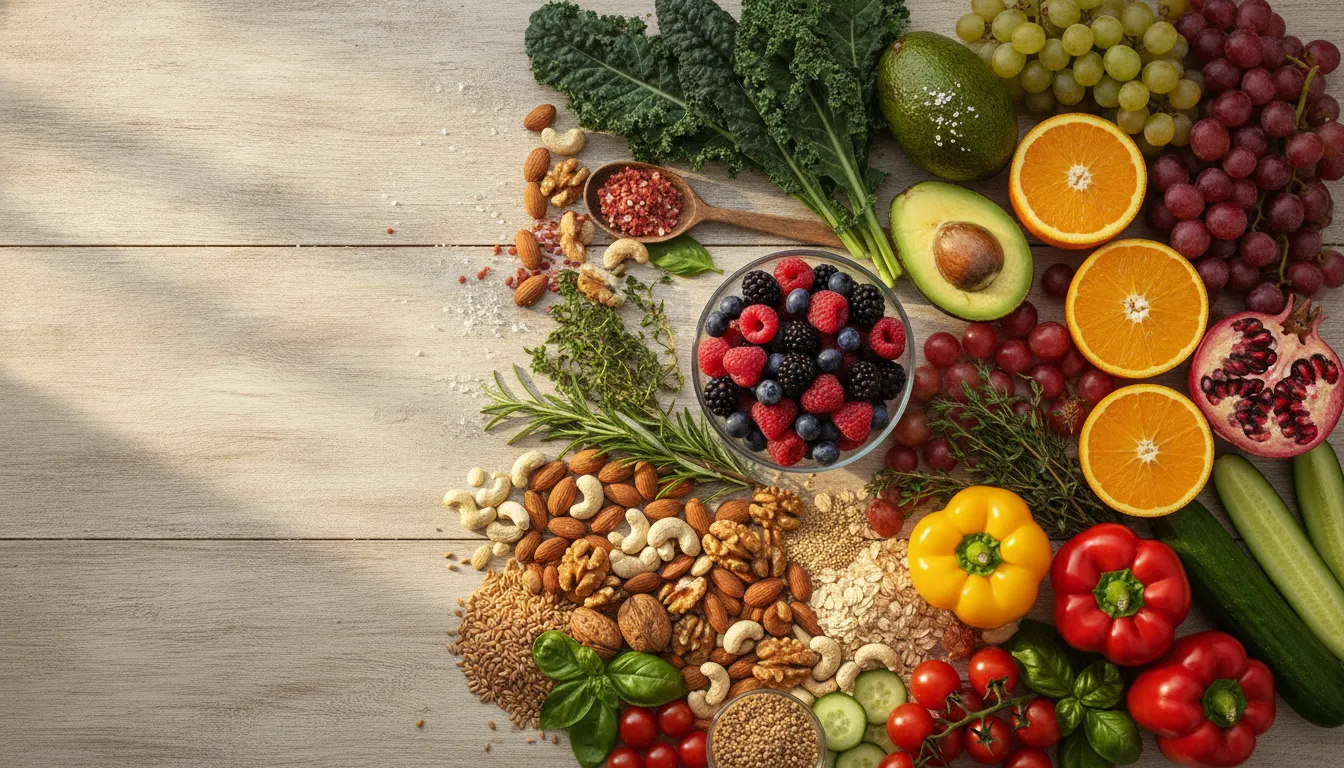
- Natural or minimally processed foods as the base of the diet — fruits, vegetables, legumes, grains, tubers, meats, eggs, milk, and natural yogurt.
- Use oils, fats, salt, and sugar in small quantities, as seasonings and complements, not as the base of meals.
- Processed foods (such as preserves, cheeses, and simple sausages) consumed in small quantities and occasionally.
- Limitation of ultra-processed foods — products with long lists of industrial ingredients, such as filled cookies, packaged snacks, soft drinks, and industrialized fast food. Studies suggest an association between frequent consumption of these foods and a higher risk of chronic diseases, although it is important to remember that association does not mean direct causality.n
The WHO also highlights the importance of varied fruits and vegetables, whole grains, legumes (such as beans, lentils, and chickpeas), and reducing excessive consumption of sodium, free sugars, and saturated fats.n
The pillars commonly found in healthy eating patternsn
Despite all the individual and cultural variation, some elements frequently appear in eating patterns associated with better health in long-term studies:n
Variety and color on the platen
Different fruits and vegetables offer different bioactive compounds, vitamins, and minerals. A practical way to ensure variety is to seek diversity of colors throughout the week — not necessarily in the same meal, but over the course of the days.n
Fibers as alliesn
Fiber-rich foods — such as beans, oats, fruits with skin, vegetables, and whole grains — tend to contribute to digestive health and the feeling of satiety. Studies suggest that adequate fiber intake may be associated with cardiovascular health and glycemic regulation, although the overall diet context is always what matters most.n
Quality proteins and diversity of sourcesn
Meats, eggs, dairy, legumes, tofu, and nuts are protein sources. Diversity among these sources — including plant proteins more frequently — is a pattern observed in populations with good longevity worldwide.n
Fats: not all are equaln
Fats are part of a balanced diet. Extra virgin olive oil, avocado, fish like salmon and sardines, and nuts are sources of fats that appear positively in several studies. Excessive consumption of saturated and trans fats remains a point of attention in international guidelines.n
Water as the main beveragen
The WHO and the Ministry of Health recommend water as the main source of hydration. Natural juices in moderation, teas, and infusions also appear as options. Sugary and ultra-processed beverages are those that deserve more caution.n
What healthy eating is NOTn
It’s as important to understand what does not define healthy eating as it is to understand what does:n
- It’s not about forbidding foods forever. Extreme rigidity can create an anxious relationship with food, which also affects well-being.
- It’s not expensive or inaccessible by definition. Beans with rice, eggs, bananas, and kale are examples of nutritious and accessible foods — and they are part of Brazil’s food heritage.
- It’s not following fad diets without professional guidance. Severe restrictions without monitoring can pose health risks.
- It’s not perfection. One meal outside the usual pattern does not “undo” a balanced diet over time.
- It doesn’t ignore pleasure. Eating is also a social, cultural, and emotional act. A sustainable diet needs to include pleasure.n
The relationship between diet and mental healthn
Research in the field of nutritional psychiatry — still a developing area — suggests there is a connection between eating patterns and mental well-being. The gut and brain communicate in ways scientists are still mapping, and there are indications that a varied diet rich in natural foods may play some role in emotional health.n
However, it’s crucial to be honest: this area still has much to discover. Healthy eating does not replace psychological or psychiatric support when that support is necessary. If you are experiencing intense emotional distress, seeking help from a mental health professional is always the most appropriate path.n
If you want to understand more about how leisure and daily habits connect to mental health, check out our article Why Leisure is Essential for Mental Health.n
How to take practical steps in daily lifen
Changing eating habits sustainably tends to work better when done gradually. Here are some general guidelines based on the recommendations of the Brazilian Food Guide:n
- Start with the basics: try to include at least one serving of fruit and one of vegetables per day if you don’t already.
- Observe what you already eat: before eliminating something, notice the overall pattern — what predominates in your daily life?
- Reduce ultra-processed foods gradually: replacing one item at a time is usually more realistic than radical changes.
- Cook more at home when possible: preparing your own food usually results in meals with fewer additives and more control over ingredients.
- Make meals a moment: eating slowly, without screens, paying attention to taste and satiety, is a practice that usually helps in the relationship with food.
- Plan without rigidity: having fruits and vegetables available at home facilitates choices. But very rigid planning can be stressful — the goal is balance.
- Respect your hunger and satiety: learning to identify your body’s signals is a process that a nutritionist can help develop.n
When to seek a health professionaln
There are situations where specialized guidance is indispensable — and not optional:n
- Health conditions like diabetes, hypertension, kidney diseases, eating disorders, irritable bowel syndrome, allergies, and food intolerances require monitoring by a nutritionist and doctor.
- If you notice you have a very anxious or troubled relationship with food — whether due to intense restriction, compulsion, or frequent thoughts about what you eat — a psychologist specializing in eating behavior can be a valuable resource.
- Pregnant women, children, adolescents, and the elderly have specific nutritional needs that deserve individualized evaluation.
- If you want to make significant dietary changes, a nutritionist is the qualified professional to create a plan suitable to your reality and needs.n
It’s also worth remembering that routine exams are part of health care. See more about this in Routine Exams by Age: What You Need to Know.n
Conclusionn
 nn
nn
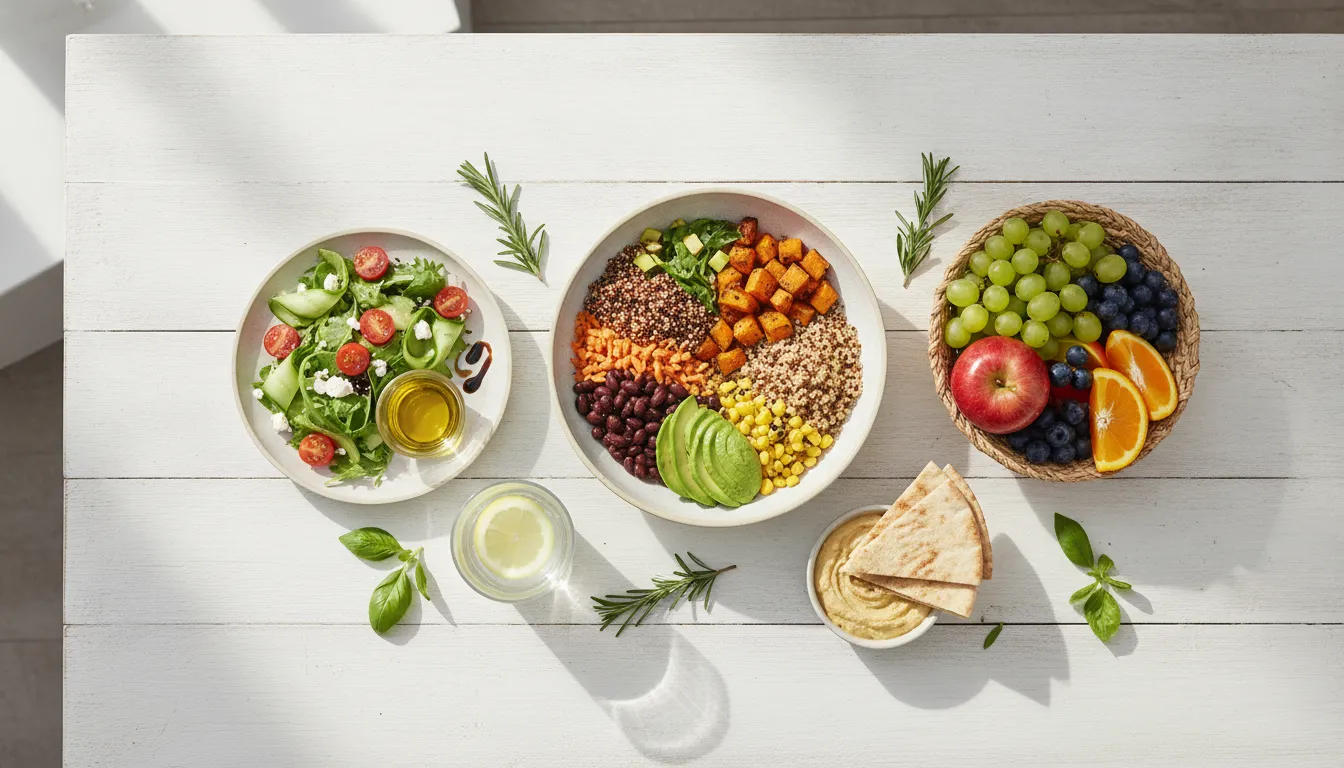
Healthy eating, in its essence, is simpler — and more human — than extreme discourses often make it seem. It’s about a varied eating pattern, with a predominance of natural foods, that respects culture, access, pleasure, and each person’s reality. There is no universal formula, and that’s okay.n
The most sustainable path is the one you can maintain with awareness and without guilt. Small consistent changes over time tend to bring much more result than radical and temporary revolutions. And the support of qualified professionals — nutritionist, doctor, psychologist — makes all the difference when you need a more individualized perspective.n
Take care of yourself gently, at your own pace.n
This content is informative and educational and does not replace the evaluation of a health professional. Each person has individual needs that only a qualified professional can adequately assess. Always consult a doctor, nutritionist, or other health professional before making significant changes to your diet or lifestyle.
- If you notice you have a very anxious or troubled relationship with food — whether due to intense restriction, compulsion, or frequent thoughts about what you eat — a psychologist specializing in eating behavior can be a valuable resource.
- Observe what you already eat: before eliminating something, notice the overall pattern — what predominates in your daily life?
- It’s not expensive or inaccessible by definition. Beans with rice, eggs, bananas, and kale are examples of nutritious and accessible foods — and they are part of Brazil’s food heritage.
- Use oils, fats, salt, and sugar in small quantities, as seasonings and complements, not as the base of meals.