
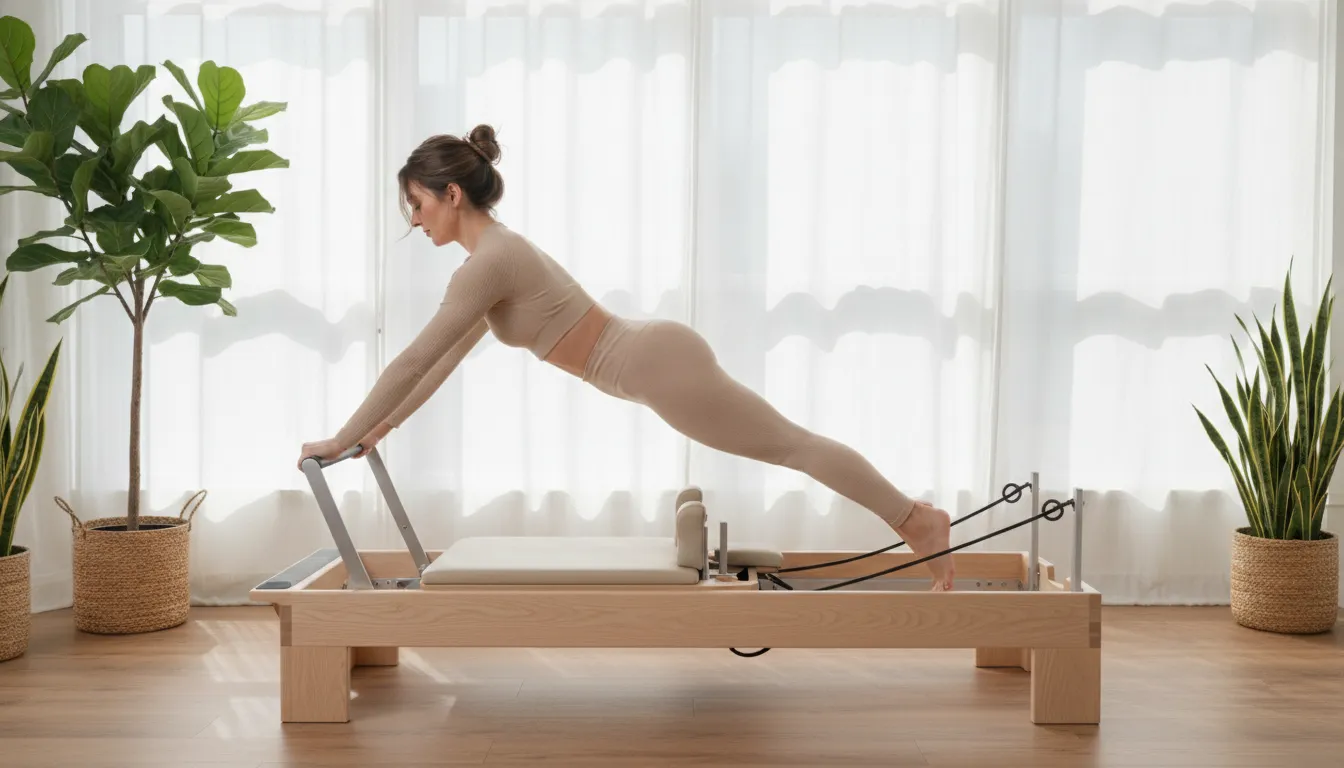
Discover the Transformative Benefits of Pilates for Your Body
Have you ever heard someone talk about Pilates with that sparkle in their eye, as if they’ve discovered something that truly works? Perhaps a friend, a coworker, or a family member who started classes and, weeks later, seemed to move more effortlessly, complain less about back pain, or simply appear more energetic in daily life. This perception, far from being just an impression, is backed by a growing body of research investigating the effects of this practice on the body and mind. And in 2026, with the pursuit of quality of life increasingly present in health conversations, Pilates remains one of the most studied and recommended movement methods by professionals in the field.
Created by German Joseph Pilates in the early 20th century, the method was originally conceived as a form of rehabilitation and integrated physical conditioning. The central proposal is to work the body consciously, connecting breathing, muscle control, and precise movement. Over time, the practice has been incorporated by physiotherapists, physical educators, and health professionals worldwide, gaining adapted versions for different audiences: pregnant women, the elderly, athletes, people in rehabilitation, and those who simply want to feel better in their own skin.
But what exactly can Pilates do for your body? What are the real evidences behind the benefits you hear about? And what is important to know before starting? This article gathers what science and health professionals have told us about the subject, honestly and without exaggerated promises.
What is Pilates, after all?
Pilates is an exercise method that prioritizes controlled movement, activation of deep muscles — especially the body’s center, called the core — and the integration between body and mind. Classes can take place on the floor, with a mat (known as mat Pilates), or with specific equipment, such as the reformer, the cadillac, and the chair, among others.
Unlike many gym modalities, Pilates does not have the primary goal of intense muscle fatigue or bulk increase. The focus is on movement quality, posture, muscle balance, and body awareness. This makes the practice accessible to a wide variety of people, including those recovering from injuries or with physical limitations — always with proper guidance.
Benefits for the Spine and Posture
One of the most common reasons people turn to Pilates is back pain. And there’s a good reason for this: studies published in journals such as the Journal of Orthopaedic & Sports Physical Therapy and the Journal of Bodywork and Movement Therapies suggest that Pilates can contribute to reducing chronic lower back pain and improving functionality in people with this condition.
The logic behind this lies in strengthening the spine’s stabilizing muscles. When the deep muscles of the abdomen, pelvic floor, and back work in coordination, the spine receives better support during daily activities. This often results in less tension, less overload on joint structures, and, in many cases, more aligned posture.
It’s important to emphasize: Pilates is not medical treatment and does not replace the assessment of a physiotherapist or orthopedic doctor in cases of back pain. But it can be an important ally within a care plan guided by professionals.
Strength, Flexibility, and Balance
Contrary to what some might think, Pilates is not “easy” — it is adaptable. For beginners, exercises are introduced progressively. For those with a good foundation, the level of challenge can be quite high. This means that the practice usually contributes to functional strength gain, especially in muscle groups we tend to neglect in daily life.
Flexibility is also consistently worked on. Movements involving joint range, associated with muscle activation, often contribute to improved overall mobility — which has a direct impact on how we move and feel throughout the day.
Balance is another relevant point, especially for older populations. Research indicates that exercises based on motor control and proprioception — like those practiced in Pilates — can help reduce the risk of falls in the elderly. If you’re interested in learning more about health care throughout aging, the article Health After 40: What to Prioritize can be an interesting complementary read.
Pilates and Mental Health: The Often Surprising Connection
Although Pilates is often associated with physical conditioning, its impact on emotional well-being has also been investigated. The practice requires mindfulness of movement, breathing, and body position — creating a sort of pause from the fast flow of thoughts many people face daily.
Studies suggest that physical exercise practices in general are associated with reducing symptoms of anxiety and mild to moderate depression, and Pilates, by incorporating elements of mindfulness, can enhance this effect. The conscious breathing and focus on the present moment that the practice demands have similarities with techniques used in mental health approaches.
However, it’s important to be honest: Pilates is not psychotherapy and does not replace the support of a psychologist or psychiatrist in cases of significant emotional distress. If you’re going through a difficult time, seeking professional support is crucial. Pilates can be a valuable complementary resource — but not the only one, and certainly not enough when the distress is intense.
Who Can Benefit Most from Pilates?
Pilates is a versatile practice, and its adaptability is one of its greatest strengths. Some situations where it is often recommended by health professionals:
- People with chronic lower back pain or other musculoskeletal pain (always with prior evaluation)
- Pregnant women and postpartum, for pelvic floor strengthening and adaptation to body changes (with specialized guidance)
- Elderly, for contributing to balance, mobility, and fall prevention
- Athletes and sports practitioners, as complementary stabilization work and injury prevention
- Sedentary individuals wanting to start a physical activity with low joint impact
- Individuals in rehabilitation from orthopedic injuries, when prescribed by a physiotherapist
This does not mean Pilates is suitable for everyone in all situations. Specific conditions may require adaptations or, in some cases, contraindicate certain exercises. Therefore, consulting a doctor or physiotherapist before starting is always a good idea.
How to Start: Practical Guidelines
If you’ve decided to try Pilates, here are some points that can help make this experience safer and more enjoyable:
- Seek a qualified professional. Prefer classes with physical educators or physiotherapists with specific training in Pilates. The quality of instruction makes a huge difference, especially at the beginning.
- Communicate your health conditions. Before starting, inform the instructor about injuries, recent surgeries, chronic pain, pregnancy, or any relevant health condition.
- Start slowly. Pilates is progressive. Don’t worry about performing movements perfectly in the first classes. Learning happens over time.
- Consistent frequency matters. Most instructors recommend at least two weekly sessions for benefits to be gradually perceived. But any frequency is better than none.
- Combine with other healthy habits. Pilates works best as part of a balanced lifestyle, including proper nutrition, good sleep, and other forms of movement. Speaking of sleep, the article Practical Tips for Better Sleep Every Night offers useful tips on this crucial health pillar.
- Respect your body’s limits. Pain is not a sign of progress in Pilates. If something hurts, inform the instructor immediately.
When to Seek a Health Professional
Before starting Pilates — or any new physical activity — it is advisable to undergo a medical evaluation, especially if you:
- Have a heart, respiratory, or neurological condition
- Are recovering from surgery or injury
- Experience frequent pain that has not been investigated
- Are pregnant or recently had a baby
- Are over 60 and have been sedentary for some time
- Take medications that affect balance, blood pressure, or muscles
A doctor can help identify if there are any contraindications, and a physiotherapist can guide necessary adaptations for your specific case. The Pilates instructor, in turn, is the professional who conducts the practice — but does not replace these other roles.
Conclusion
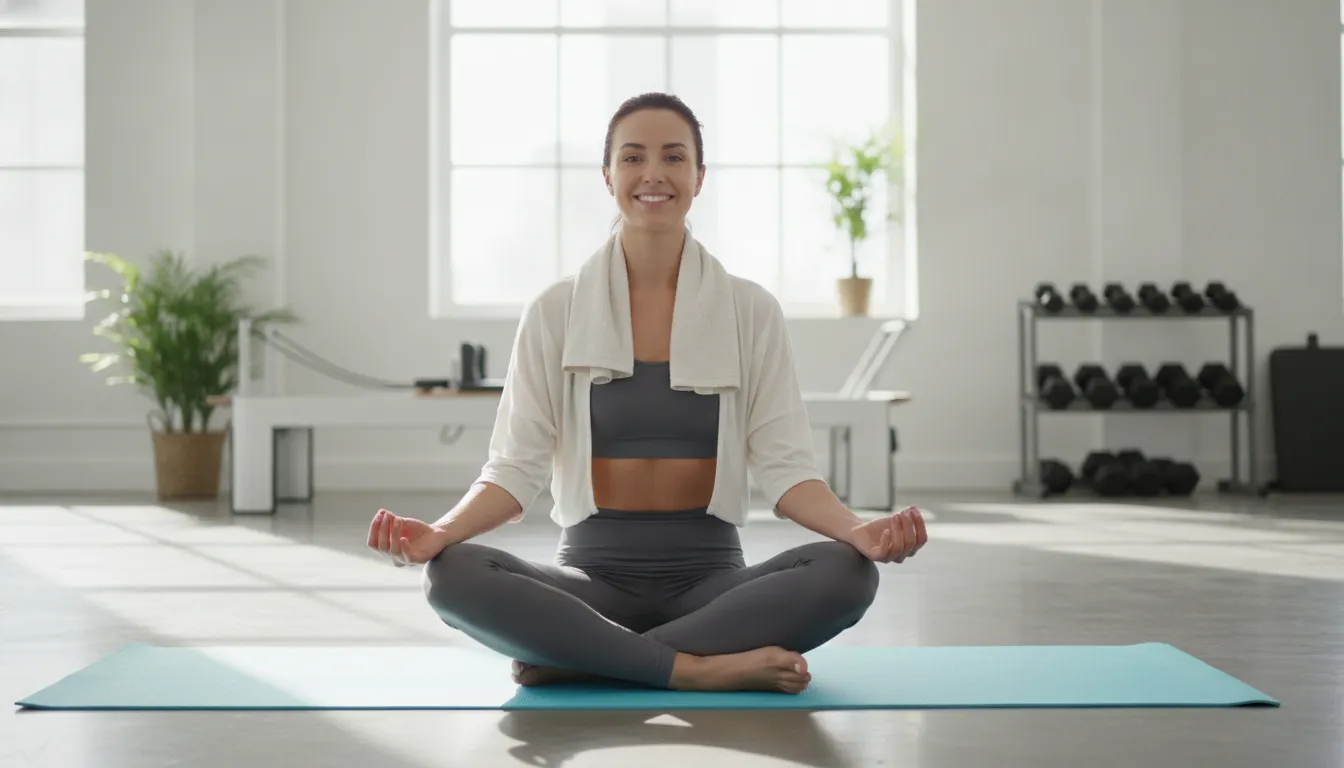
Pilates is a practice that, over the decades, has accumulated both followers and evidence. It’s not a miracle, it doesn’t guarantee results, and it doesn’t work the same way for everyone. But for many people, it represents a gentle, progressive, and effective way to reconnect with their bodies, reduce pain, improve posture, and gain quality of movement in daily life.
The most important thing is that any health-related choice is made with information and, whenever possible, with the support of qualified professionals. Take care of yourself with kindness, at your own pace, and with the right guidance for your reality.
This content is informative and does not replace the evaluation of a health professional. Consult a doctor, physiotherapist, or physical educator before starting any exercise practice, especially if you have pre-existing health conditions.