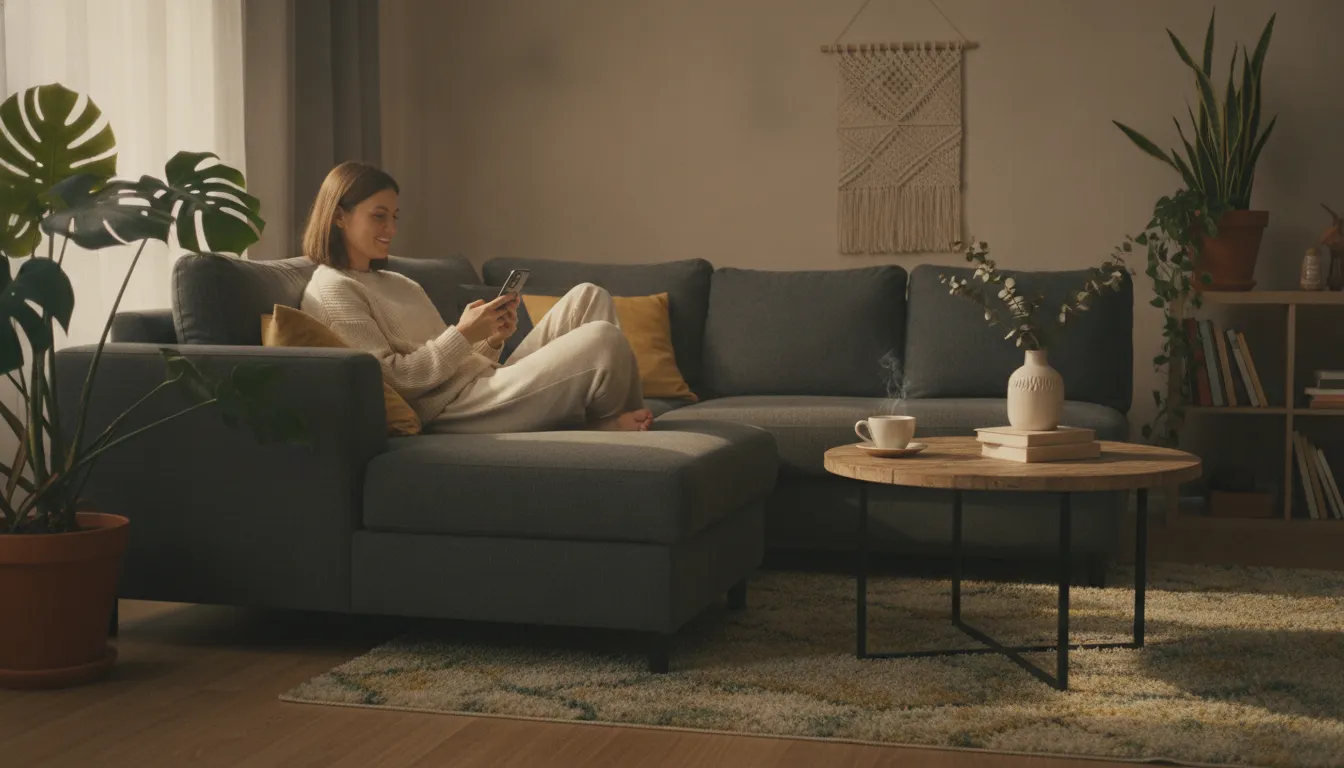
Have you ever noticed how many times a day you pick up your phone without even realizing it? This almost automatic gesture is part of the lives of billions of people worldwide. By 2026, social media is even more integrated into daily life—from work to relationships, entertainment to information. It’s no exaggeration to say we spend a significant part of our waking hours connected to some digital platform. This reality raises a legitimate question: what does this intense use do to our mental health?
The honest answer is: it depends. The relationship between social media and mental health is complex, multifaceted, and still widely studied by science. There is evidence that excessive or unintentional use can be associated with increased anxiety, feelings of inadequacy, and sleep disturbances. But there are also studies pointing to real benefits—social connection, access to information, support communities, and even mental health promotion tools. The problem rarely lies in the technology itself, but in how and how much we use it.
This article compiles what science has shown so far, clearly and without alarmism, so you can make more informed decisions about your social media use. Remember: this content is educational and general, and does not replace the evaluation of a qualified health professional.
What Research Says: An Honest Overview
First of all, it’s important to recognize that science in this field is still evolving. Studies published in recent years have tried to understand whether social media causes mental health problems or if people who already face these difficulties tend to use platforms more—the famous problem of causality versus correlation.
Researchers from institutions like the University of Oxford and the American Psychological Association have consistently observed that passive use of social media—scrolling through feeds without interacting, just consuming content—is more often associated with negative feelings than active use, where the person comments, converses, and genuinely connects with others. This doesn’t mean all passive use is harmful, but it’s an important point for personal reflection.
Another relevant point: teenagers and young adults seem to be more vulnerable to negative effects, especially girls, according to literature reviews in the area. Still, adults also report impacts—such as difficulty concentrating, social comparison, and the feeling of always being “out of the loop.”
Social Comparison and Self-Image: A Slippery Slope
One of the most well-documented mechanisms by which social media can affect mental health is social comparison. Visual platforms like Instagram and TikTok are built to display carefully edited versions of people’s lives—bodies, travels, achievements, relationships. When we consume this content repeatedly, our brain tends to compare it to our own unfiltered reality.
Studies suggest that this constant comparison can contribute to feelings of inadequacy, low self-esteem, and body dissatisfaction in some people. The World Health Organization (WHO) has already signaled the importance of investigating how the digital environment impacts psychological well-being, especially among young people.
However, it’s worth noting that not all social comparison is destructive. In some contexts, seeing others overcome challenges can serve as inspiration. The difference lies in how the person processes this information—which depends on individual factors, emotional history, and life context. That’s why the experience on social media is so personal.
Sleep, Attention, and the Logic of “Just One More Scroll”
There is a connection that deserves special attention: the impact of social media on sleep. Using the phone in bed before sleeping—especially with the screen’s brightness in dark environments—can interfere with the production of melatonin, the hormone that regulates the sleep-wake cycle. Additionally, the constant stimulus of notifications and new content keeps the brain alert when it should be winding down.
Sleep deprivation or poor quality sleep, in turn, is associated with irritability, difficulty concentrating, anxiety, and low mood—creating a cycle that can be hard to break. If you want to better understand sleep needs at each life stage, check out the article How Many Hours of Sleep Do You Need at Each Life Stage?.
Attention is also affected. The dynamics of social media—short content, frequent notifications, unpredictable rewards—can train the brain to prefer quick stimuli and have more difficulty with tasks that require prolonged focus. Researchers are still debating the magnitude and permanence of this effect, but it’s something many people report noticing in themselves.
The Real Benefits: It’s Not All Bad
It would be unfair—and scientifically inaccurate—to present social media as absolute villains. For many people, these platforms serve genuinely positive functions:
- Social Connection: for people living in geographic isolation, with reduced mobility, or belonging to minorities, social media can be a vital source of belonging and community.
- Access to Health Information: when well-curated, mental health information on social media often helps reduce stigma and encourage seeking professional help.
- Support in Difficult Times: online support groups can offer comfort to people facing illnesses, grief, or challenging life situations.
- Creative and Identity Expression: for many young people, social media is a space for self-expression and identity building.
The problem arises when use is not intentional, when it replaces important face-to-face connections, or when the person feels unable to reduce consumption even if they want to. In these cases, it’s worth reflecting carefully—and, if necessary, seeking support.
Strategies That Can Help: More Conscious Social Media Use
There is no universal formula, but some practices often contribute to a healthier relationship with social media. Here’s what studies and digital well-being experts suggest:
- Observe Your Patterns. Use your phone’s screen time features to understand how much time you spend on each platform. No judgment—just to have real data.
- Identify How You Feel. After using social media, do you usually feel good, inspired, neutral, or bad? This simple record can reveal important patterns.
- Curate Your Feed. Unfollow profiles that consistently make you feel inadequate. Prioritize content that genuinely adds value to your life.
- Set Time Limits. Many people find it helpful to avoid social media in the first hour of the morning and at bedtime. It’s not a rule, but it can be a valid experiment.
- Prefer Active Over Passive Use. Interacting, commenting, and conversing tend to be more satisfying than just passively consuming.
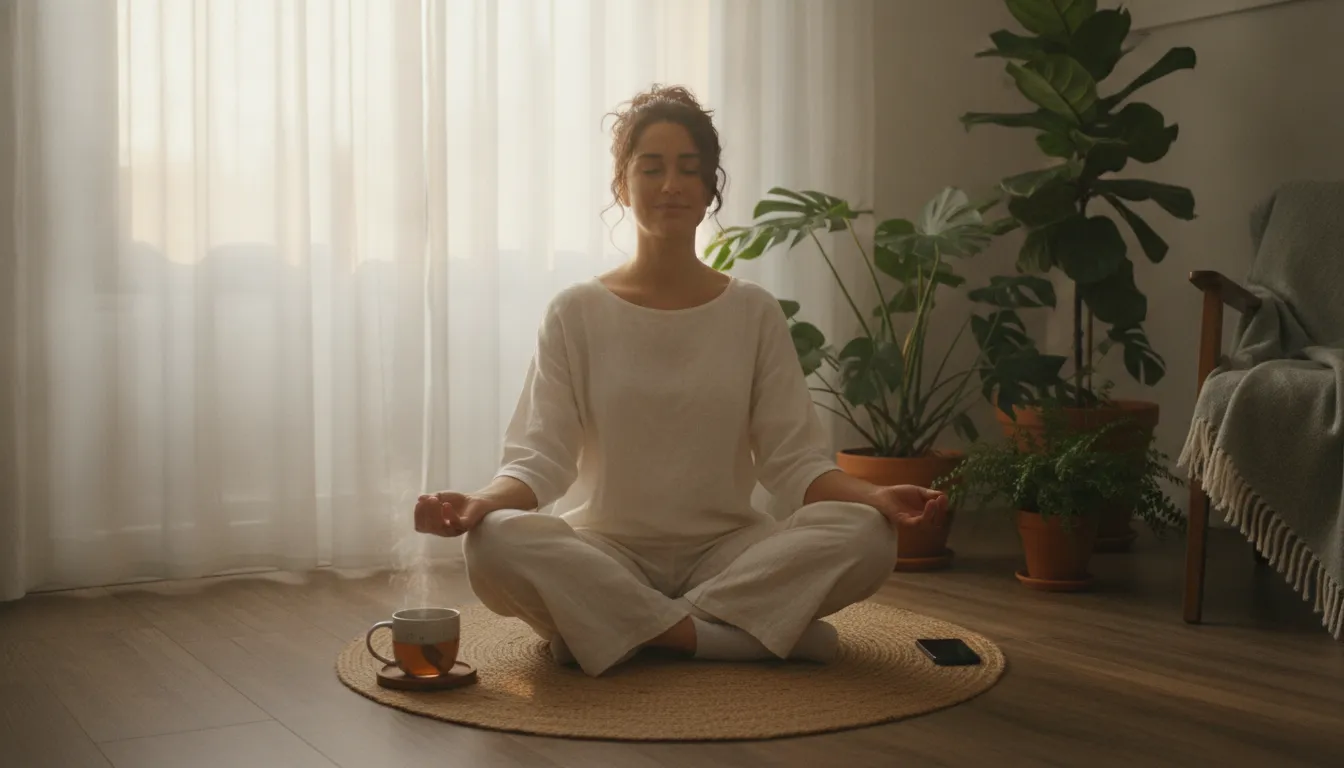
- Create Screen-Free Moments. Meals, walks, and face-to-face conversations without a phone can help reconnect with the present.
- Don’t Make Breaks a Punishment. The idea is not to demonize social media, but to create a more conscious relationship with them.
When the Problem Goes Beyond: Signs You Might Need Support
There are times when the relationship with social media may be a symptom—or aggravating factor—of something that deserves professional attention. Consider talking to a psychologist or psychiatrist if you notice:
- Real Difficulty Stopping using social media, even when it’s harming your work, relationships, or sleep.
- Intense Feelings of Inadequacy, Sadness, or Anxiety that seem related to what you see online.
- Constant Comparisons that persistently affect your self-esteem.
- Progressive Isolation from those around you in favor of exclusive online interaction.
- Intense Emotional Distress that doesn’t improve over time.
If you’re going through a very difficult time, know that help is available. In Brazil, the CVV (Centro de Valorização da Vida) is available 24 hours a day, every day, at the number 188 (free call). In emergencies, seek the nearest health emergency service.
To better understand how therapy can support your well-being, the article Why Therapy Matters and How It Can Help You can be a good starting point.
Conclusion: Technology and Well-Being Can Coexist
Social media is not inherently good or bad for mental health. They are tools—powerful, ubiquitous, and designed to capture our attention—but still tools. The impact they have on each of us depends on a combination of factors: frequency and type of use, individual vulnerabilities, life context, and the quality of connections we cultivate, both inside and outside the digital environment.
What science consistently suggests is that intentionality matters. Using social media more consciously—knowing why you’re there, how much time makes sense to spend, and how you feel afterward—often makes a difference. Small habit changes can contribute to a more positive experience without having to give up digital connection.
Take care of yourself with generosity and without haste. And if you feel you need support to get through a difficult time, don’t hesitate to seek a professional. Asking for help is an act of courage, not weakness.
This content is informative and educational, and does not replace the evaluation, diagnosis, or treatment of a health professional. Each person has a unique story—consult a doctor, psychologist, or other qualified professional for individualized guidance.
- Intense Feelings of Inadequacy, Sadness, or Anxiety that seem related to what you see online.
- Identify How You Feel. After using social media, do you usually feel good, inspired, neutral, or bad? This simple record can reveal important patterns.
- Access to Health Information: when well-curated, mental health information on social media often helps reduce stigma and encourage seeking professional help.