
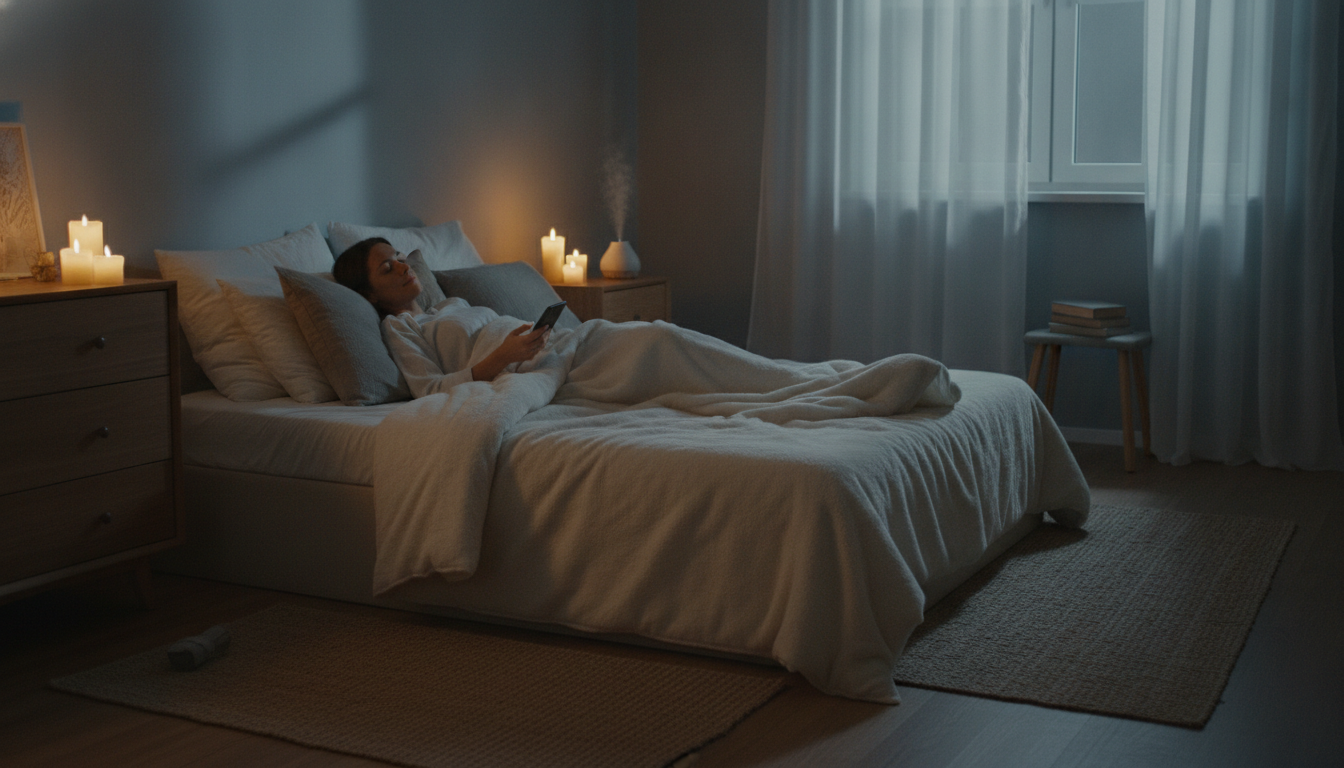
Smartphone Before Bed Can Harm Your Sleep
You lie in bed, turn off the light and… open your phone. Just one more video, just one more message, just one more scroll through the feed. When you realize it, an hour and a half has passed and sleep still hasn’t come. This scene is familiar to many people, and in 2026 it continues to be one of the most common — and most underestimated — habits of modern daily life. What seems like a harmless moment of relaxation can be interfering in quite concrete ways with the quality of your rest.
Sleep is not just a pause in the day. It is an active and essential process for physical, mental and emotional health. During it, the brain consolidates memories, the immune system strengthens and the body performs a series of recovery processes. When this process is interrupted or hindered — including by screen use in the evening — the effects can accumulate over time and impact various areas of life.
The good news is that understanding what happens to our body when we use our phone before bed is already an important step. From there, small routine changes, made with patience and without guilt, usually contribute to quieter nights. Let’s explore this together.
What Happens in Your Brain When You Use Your Phone at Night
To understand the problem, you need to know a central character: melatonin. This hormone is produced by the pineal gland and functions as the body’s “sleep signal” — it begins to be released when the environment darkens, signaling the body that it’s time to slow down.
The problem is that smartphone, tablet and computer screens emit blue spectrum light, which is perceived by the brain similarly to daylight. Studies suggest that exposure to this type of light at night can suppress or delay melatonin production, making it harder to fall asleep and altering your circadian rhythm — the internal biological clock that regulates sleep-wake cycles.
Beyond the light issue, there is another important factor: mental alertness state. Social networks, news and games tend to stimulate emotions and thoughts, keeping the brain in an activation mode that is the opposite of what it needs to fall asleep. The result is a mixture of tired body and racing mind — a combination that many people know well.
Signs That Your Phone Might Be Disrupting Your Sleep
It’s not always easy to see the connection between phone use and sleep quality, especially since the effects tend to be gradual. Some signs that may indicate that this relationship exists in your routine:
- Difficulty falling asleep even when you feel sleepy
- Feeling tired when you wake up, even after many hours in bed
- Waking up frequently during the night
- Difficulty concentrating and irritability during the day
- Dependence on multiple alarms to get out of bed
- Feeling that sleep “didn’t rest”
It’s important to note that these signs can have various causes — from stress and anxiety to medical conditions like sleep apnea. So, if they are persistent, talking with a healthcare professional is always the best path.
What Science Says About Screens and Sleep
The relationship between electronic device use and sleep quality has been investigated by researchers around the world. Medical societies such as the American Academy of Sleep Medicine and organizations like the World Health Organization (WHO) recognize the impact of sleep hygiene habits — including screen use — on overall health.
Studies published in peer-reviewed scientific journals suggest that using electronic devices before bed is associated with:
- Longer time to fall asleep (increased sleep latency)
- Reduced REM sleep, the phase most associated with emotional processing and memory consolidation
- Excessive daytime sleepiness
- Changes in mood and cognitive function
It’s worth noting that science in this field still has nuances: light intensity, type of content consumed, time of use and individual characteristics of each person influence the results. So it’s important to look at this information as general guidance, not absolute rules.
Practical Tips for Better Sleep — Without Giving Up Technology With Awareness
The idea here is not to demonize the phone or propose a radical overnight change. Small adjustments, incorporated consistently, tend to be more sustainable than abrupt changes. See some strategies that sleep health studies and experts usually recommend:
- Establish a time to “power down” screens. Sleep experts often suggest avoiding electronic device use at least 30 to 60 minutes before bed. Try this period and observe how your body responds.
- Activate night mode or blue light filter. Many smartphones already have this feature. While it doesn’t completely eliminate light effects, it can help reduce exposure.
- Create a wind-down routine. Replacing your phone with something more relaxing — light reading, a warm bath, conscious breathing or soft music — can help your brain enter rest mode.
- Remove your phone from the bedroom, if possible. Many people report that just the presence of the device on the nightstand increases the temptation to use it. A conventional alarm clock can be an alternative for those who use their phone only as an alarm.
- Disable notifications at night. Sounds and vibrations during the night can fragment sleep even without you consciously noticing.
- Create a sleep-friendly environment. A dark room, comfortable temperature and low noise level are factors that usually contribute to more restorative sleep.
- Be gentle with yourself. If one day you end up using your phone until late, don’t let that become a source of anxiety. Consistency over time matters more than perfection on a single night.
These habits are part of what is called sleep hygiene — a set of practices that can contribute to quieter nights. If you have difficulty winding down at the end of the day because of work stress, it can be helpful to also read about balance between personal and professional life, since this overload tends to reflect directly on sleep quality.
Children, Teenagers and Screen Use at Night
This topic deserves special attention when we talk about children and teenagers. Sleep plays an even more critical role at this stage, being fundamental for brain development, learning and emotional health.
Pediatric societies around the world, including the Brazilian Society of Pediatrics, recommend that children and teenagers have consistent bedtimes and avoid screen use in the period before sleep. Open family conversations about device use — without strict prohibitions that create conflict — tend to be more effective than rigid rules.
If you notice that your child or teenager has difficulty sleeping, frequent irritability or decline in school performance, it’s worth talking to the pediatrician or family doctor.
Sleep and Mental Health: A Two-Way Relationship
Sleep and mental health are deeply interconnected. Sleep deprivation can amplify symptoms of anxiety, irritability and low mood. On the other hand, when we’re going through periods of intense stress, anxiety or sadness, sleep is usually one of the first aspects affected.
This means that if you notice that sleep difficulties are accompanied by intense emotional distress, feelings of hopelessness or significant impairment in daily life, it’s very important to seek support. Talking with a psychologist or psychiatrist can make a big difference — and asking for help is an act of self-care.
If you want to reflect more on mental health without stigma, check out our article on myths and truths about mental health worth knowing.
And remember: if you or someone you know is going through a moment of crisis or intense suffering, the CVV (Center for Life Appreciation) serves for free at 188, 24 hours a day.
When to Seek Healthcare Professional
Changing phone-related habits can help a lot, but it’s important to recognize when sleep problems go beyond sleep hygiene and need specialist evaluation. Consider seeing a doctor, general practitioner or sleep medicine specialist if you notice:
- Persistent difficulty falling or staying asleep, even after habit changes
- Intense snoring or breathing pauses during sleep (which may indicate apnea)
- Excessive daytime sleepiness, even after a long night
- Involuntary leg movements at night
- Sleepwalking episodes or other unusual sleep behaviors
- Significant impact on work, relationships or quality of life
These signs deserve professional attention. Sleep is treatable, and there are effective approaches — but the path begins with proper evaluation.
Conclusion
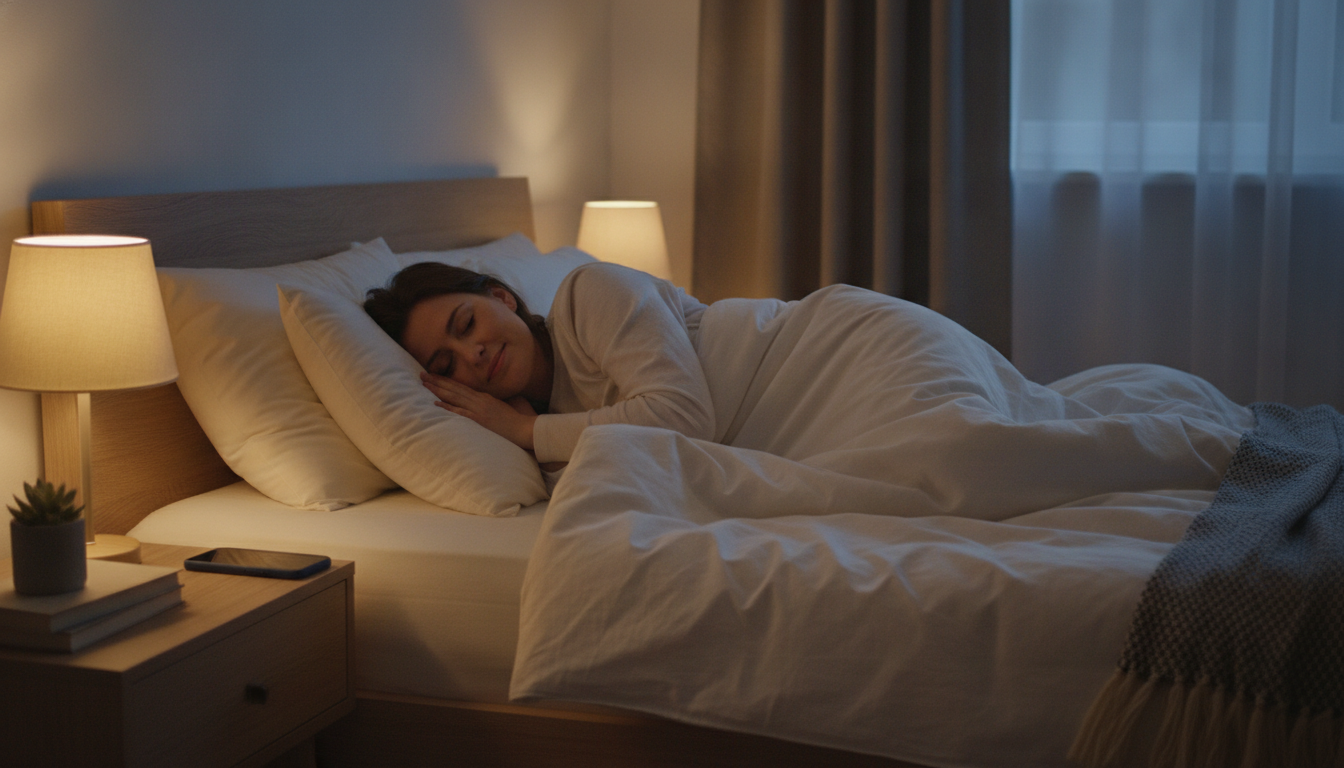
Taking care of your sleep is one of the most accessible and powerful ways to invest in your own health. And understanding the role your phone might play in that equation — without guilt, but with awareness — is already a big step.
It’s not about giving up technology, but using it more intentionally, recognizing that rest time deserves to be protected. Small changes in your nighttime routine, maintained with consistency and kindness, usually contribute to more restorative nights and days with more energy, clarity and well-being.
Each person is unique, and what works for one may not work for another. So, observe how your body responds, experiment with curiosity and, whenever necessary, count on the support of health professionals to guide this process.
Good nights begin during the day — and you can build this, one step at a time.
This content is informative and educational, and does not replace evaluation, diagnosis or treatment by a healthcare professional. Always consult a doctor or other qualified professional for guidance on your individual health.