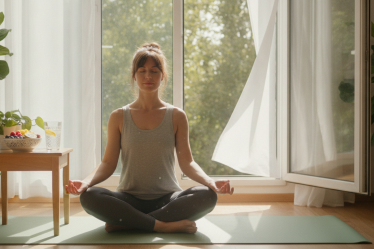

How to Build a Real Exercise Habit
How many times have you started an exercise routine full of enthusiasm, kept it up for a few weeks, and then watched it all fall apart? If that sounds familiar, know that you’re in good company. The difficulty of maintaining a regular practice of physical activity is one of the most common complaints when it comes to health and well-being — and it’s not character weakness, laziness, or lack of willpower. The science of human behavior shows that creating lasting habits is a process with stages, predictable obstacles, and strategies that tend to help a lot.
In 2026, we live in a reality where health information comes from all sides: workout apps, wearable devices, fitness influencers, streaming platforms with live classes. There has never been so much supply — and at the same time, so much confusion about where to start. The paradox of choice can paralyze more than motivate. That’s why this article won’t tell you what the perfect diet or ideal workout is. It will help you understand how your brain forms habits and what you can do, in a practical and kind way to yourself, to transform movement into part of your life.
It’s worth noting upfront: this content is educational and general. Every body is unique, and any more significant change in your exercise routine — especially if you have any health condition — should be discussed with a qualified professional. Now, let’s get to what really matters.
Why Habits Are So Hard to Create (and Keep)
Understanding the mechanism behind habits is the first step to stop blaming yourself and start acting more intelligently. Research in behavioral neuroscience describes what is often called the habit loop: a sequence of trigger, routine, and reward. When a sequence of behaviors is repeated frequently in similar contexts, the brain begins to automate it to save cognitive energy.
The problem is that this process takes time — and estimates vary greatly from person to person. Studies suggest that the period to consolidate new behavior can range from a few weeks to several months, depending on the complexity of the action and each person’s life context. This means that the feeling of effort at the beginning is completely normal and expected. It’s not a sign that it won’t work.
Another important point: motivation is fluid by nature. It can be great for taking the first step, but it usually isn’t enough to maintain a habit long-term. What sustains a practice over time is structure — the environment that facilitates action, routines that reduce the need to make decisions, and social bonds that provide support.
The Role of Movement for Health: What the Evidence Says
The World Health Organization (WHO) recommends, for adults in general, the regular practice of moderate-intensity aerobic physical activity throughout the week, as well as muscle-strengthening activities. These recommendations exist because consistent studies associate regular exercise practice with benefits for cardiovascular, metabolic, bone, and mental health.
In the field of mental health, for example, there is robust evidence that physical activity tends to contribute to reducing symptoms of anxiety and depression, improving sleep, and increasing the sense of well-being. This doesn’t mean that exercise replaces medical or psychological treatment — and it’s important to be honest about that point. But it can be a valuable ally in comprehensive health care.
If you want to better understand how to balance personal and professional life and find space for movement in your routine, it’s worth reading about this topic carefully.
How to Build the Habit: A Step-by-Step Path
Below is a roadmap based on behavioral science principles that tends to help people create a sustainable exercise routine. Adapt it to your context.
- Start smaller than you think is necessary. If the idea is to work out for an hour every day, start with 10 or 15 minutes, three times a week. The initial goal isn’t quantity — it’s to show up. Lowering the entry barrier reduces internal resistance and increases consistency.
- Anchor exercise to something you already do. This technique, known as “habit stacking,” involves linking the new behavior to an existing one. For example: “After I eat breakfast, I’ll walk for 15 minutes.” The existing habit acts as a trigger.
- Make your environment favorable. Leave your sneakers in front of your bed. Go to work already wearing workout clothes. Have a yoga mat visible in the living room. The physical environment influences behavior much more than we realize.
- Choose an activity you at least tolerate. You don’t have to love it. But doing something you completely hate is a direct path to abandonment. Try different types of activities — dance, swimming, weightlifting, walking, cycling, martial arts — before deciding that exercise “isn’t for you.”
- Record what you do. A simple calendar where you mark an X every day you exercise can be surprisingly effective. The idea of “not breaking the chain” tends to be a powerful motivator.
- Prepare yourself for slip-ups — they will happen. Missing a day, a week, or even a month doesn’t mean failure. What distinguishes those who maintain the habit is the ability to start again without drama. Self-compassion isn’t weakness: it’s strategy.
- Include other people when possible. Exercising with a friend, participating in a group class, or being part of a community (in-person or online) increases your sense of commitment and makes the experience more enjoyable.
Dealing with the Most Common Obstacles
“I Don’t Have Time”
Time is a real and limited resource, and minimizing this difficulty would be dishonest. But it’s worth investigating: is the problem lack of time or lack of priority? A 20-minute walk during lunch, getting off the bus one stop earlier, or using 10 minutes of your break to move are already starting points. It’s not the ideal workout — but it’s much better than nothing.
“I’m Too Tired”
Sedentary behavior and fatigue have a curious relationship: studies suggest that inactivity can contribute to increased feelings of tiredness over time. This doesn’t mean ignoring real tiredness — your body needs rest. But in many cases, light activity can help more than complete rest. Listen to your body and, if in doubt, consult a professional.
“I Don’t Feel Good in the Gym Environment”
You don’t need a gym to exercise. There are many activities that can be done at home, outdoors, or in other spaces. And if the discomfort is related to something deeper — like insecurity with your own body image — it might be worth talking to a psychologist about it.
The Place of Mental Health in This Equation
Creating self-care habits, including exercise, is closely linked to emotional state. When we’re going through a period of intense anxiety, depression, or burnout, even the simplest tasks can seem impossible. In these moments, criticizing yourself for not being able to maintain an exercise routine can make well-being even worse.
If you notice that the difficulty in taking care of yourself is connected to greater emotional suffering, that deserves attention and care — not judgment. Seeking support from a psychologist or mental health professional may be the most important step before any habit change. Remember: asking for help is an act of courage.
If you’re experiencing intense suffering, know that CVV (Center for Life Appreciation) offers free assistance at 188, 24 hours a day. In emergency situations, seek the nearest health service.
When to See a Health Professional
Some situations indicate that it’s important to talk with a doctor or other health professional before starting or intensifying an exercise routine:
- History of heart disease, high blood pressure, diabetes, or other chronic conditions
- Frequent joint, muscle, or bone pain
- History of injuries that have not yet been adequately evaluated
- Shortness of breath with light effort or unusual symptoms during physical activity
- Long period of sedentary lifestyle, especially after age 40
- Any doubt about what type or intensity of exercise is safe for your case
A doctor can perform an appropriate clinical assessment. A physical educator can develop a personalized and safe program. A nutritionist can provide guidance on balanced nutrition to complement your routine. Each professional has their role, and having this support network makes all the difference.
In fact, for those trying to reorganize their entire life routine — not just exercise — a healthy morning routine can be a good starting point to structure your day more intentionally.
Conclusion: Kindness With Your Own Process

Creating a real exercise habit is not a matter of heroic discipline. It’s, most of the time, a matter of design: building conditions that make movement easier, more enjoyable, and more connected to who you want to be. Start small, make mistakes, start again, adjust. That’s the process — for everyone.
Take care of yourself with the same kindness you would have for a dear friend. The movement you can make today, however small, is already an act of love for your body and your health.
This content is informative and educational, and does not replace assessment, diagnosis, or treatment by a health professional. Always consult a doctor, physical educator, or other qualified professional before starting or modifying your physical activity routine.