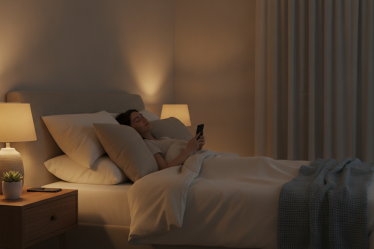
Healthy Sleep Routine: Habits That Make a Real Difference
Have you ever woken up after eight hours in bed feeling like you didn’t rest at all? Or spent hours staring at the ceiling with your mind racing, unable to fall asleep? This experience is far more common than it seems. Worldwide, sleep disorders affect a significant portion of the adult population, and Brazil is no exception. The good news is that in most cases, small changes in your routine can significantly contribute to the quality of your nighttime rest.
Sleep is not “wasted time.” During the night, your body performs essential processes: consolidating memories, regulating hormones, repairing tissues, and strengthening the immune system. According to the World Health Organization (WHO), adults generally need seven to nine hours of sleep per night to maintain proper body and mind functioning. Regularly sleeping less than this is often associated with impacts on mood, concentration, metabolism, and cardiovascular health.
This article brings together evidence-based information about habits that typically contribute to a healthier sleep routine. It’s an educational and general guide — each person has their own particularities, and whenever the problem is persistent or intense, the best course of action is to seek guidance from a healthcare professional.
Why Does Sleep Matter So Much for Health?
Sleep is divided into cycles that repeat throughout the night, alternating between phases of lighter sleep, deep sleep, and REM sleep (the kind associated with dreaming). Each phase has specific functions: deep sleep, for example, is especially important for physical recovery, while REM sleep is related to emotional processing and memory consolidation.
When these cycles are frequently interrupted — whether by insomnia, sleep apnea, stress, or other factors — your body cannot complete these processes. Over time, chronic sleep deprivation is often associated with increased risk of conditions such as anxiety, depression, metabolic changes, and cardiovascular diseases, according to studies published in journals like Sleep and WHO reviews.
Understanding this helps shift perspective: taking care of sleep is not a luxury or an indulgence. It’s one of the foundations of well-being.
The Role of Sleep Hygiene
The term “sleep hygiene” may sound clinical, but it means something simple: a set of practices and conditions that promote quality sleep. Just as we brush our teeth to care for our oral health, we can cultivate habits that prepare our body and mind to rest well.
The good news is that many of these practices don’t require financial investment — just consistency and intention. Below, we explore the main ones.
Practical Habits to Improve Sleep
1. Respect Your Schedule
Your body functions according to the circadian rhythm, an internal biological clock of approximately 24 hours that regulates when you feel sleepy and when you stay alert. Waking up and going to bed at irregular times can destabilize this rhythm, making both falling asleep and waking up more difficult.
Maintaining relatively consistent times — including weekends — typically helps your body “know” when it’s time to rest. This doesn’t need to be rigid to the minute, but a stable window makes a difference over time.
2. Take Care of Your Sleep Environment
Your bedroom directly influences sleep quality. Some elements that research suggests are relevant:
- Temperature: slightly cool environments (around 18 to 22°C, depending on the person) tend to favor falling asleep
- Darkness: melatonin production — the hormone that signals your body it’s time to sleep — is inhibited by light. Blackout curtains or sleep masks can help
- Quiet or controlled noise: intermittent sounds typically fragment sleep. Continuous, soft sounds (like white noise) are better tolerated by some people
- Organization: a clean and comfortable environment contributes to a sense of tranquility
3. Pay Attention to Screens Before Bed
One of the most discussed habits today — for good reason. The blue light emitted by phones, tablets, and computers can suppress melatonin production and keep your brain in an alert state. Additionally, the content you consume on these screens (news, social media, stimulating videos) can make it harder to relax mentally.
Learn more about what happens to your sleep when you use your phone before bed and also how to care for your eye health when using screens in your daily routine.
Reducing screen time in the hour before sleep is one of the most common recommendations among sleep experts. Replacing this time with light reading, relaxing music, or gentle stretching can be a gentle transition.
4. Physical Activity: An Ally for Rest
Regular physical exercise is typically associated with deeper and more restorative sleep. Studies suggest that both aerobic activities and strength exercises can contribute to this improvement. However, intensity and timing matter: vigorous exercise close to bedtime can have a stimulating effect in some people, delaying sleep.
The ideal approach is to observe how your body responds and adjust as needed. Morning or early afternoon are typically more favorable times for intense workouts.
5. Food and Drinks: What to Consider
Some eating habits can interfere with sleep:
- Caffeine (found in coffee, black tea, soft drinks, and chocolate) has a stimulating effect that can last several hours. Consuming it after midday can make it harder to fall asleep in sensitive individuals
- Alcohol can cause initial drowsiness, but typically fragments sleep cycles throughout the night, reducing sleep quality
- Heavy meals very close to bedtime can cause discomfort and make relaxation more difficult
- Adequate hydration throughout the day, without overdoing fluids before bed, helps prevent nighttime interruptions
This isn’t about following a restrictive diet, but about making conscious choices and observing what works for your body.
Relaxation Routine: Preparing Your Mind for Sleep
Sleep doesn’t start when you close your eyes — it starts much earlier, in the deceleration of your mind and body. Creating a relaxation routine before bed is a strategy that many people find quite useful.
Some options that studies and clinical guidelines typically mention:
- Breathing techniques: slow and controlled breathing activates the parasympathetic nervous system, promoting relaxation
- Meditation or mindfulness: mindfulness practices can help reduce the “mental noise” that often prevents sleep
- Light reading: physical books (not on screens) with calm content can be a good transition
- Warm bath: the drop in body temperature after bathing can signal your body that it’s time to sleep
- Notes: briefly writing down what’s on your mind — worries, task lists — can help “unload” your mind before bed
These practices don’t need to be done all at once. Try one or two and see what makes sense for your routine.
Stress, Anxiety, and Sleep: A Two-Way Relationship
It’s hard to talk about sleep without mentioning mental health. Stress and anxiety are some of the most common causes of difficulty sleeping. And lack of sleep, in turn, typically amplifies your emotional state — creating a cycle that can be hard to break alone.
If you notice that racing thoughts, worries, or feelings of tension frequently interfere with your rest, it’s worth considering seeking support from a psychologist or other mental health professional. Therapies like Cognitive Behavioral Therapy for Insomnia (CBT-I) have well-established evidence in scientific literature for managing sleep difficulties related to emotional factors.
Taking care of your mind is taking care of your sleep — and vice versa.
When to See a Healthcare Professional?
Healthy habits make a difference, but there are situations where it’s essential to seek medical evaluation. Consider seeing a professional if:
- You have persistent difficulty falling or staying asleep for more than a few weeks
- You wake up very early without being able to fall back asleep regularly
- You feel excessive daytime sleepiness, even after apparently long nights
- You snore frequently or wake up with a sensation of suffocation (possible signs of sleep apnea)
- You notice that lack of sleep is affecting your mood, work, relationships, or health significantly
- You’ve already tried changing your habits without noticeable improvement
Family doctors, general practitioners, neurologists, and sleep medicine specialists are the appropriate professionals to evaluate and guide you in these cases. Don’t delay seeking help — sleep disorders are treatable.
Conclusion
Sleeping well is an act of self-care — and also an investment in physical, mental, and emotional health. Changes don’t need to happen all at once: starting with one or two practices and incorporating others over time is typically more sustainable than trying to transform your routine overnight.
Be gentle with yourself in this process. Difficult nights happen to everyone, and an occasional setback doesn’t erase your progress. What matters is consistency over time — and, when necessary, asking for help.
> This content is informative and educational, and does not substitute for evaluation by a healthcare professional. Each person has unique needs and history. If you have questions or concerns about your health, consult a doctor or other qualified professional.