Active Seniors: Simple Daily Strategies for Healthy Aging
Aging with health and vitality is the wish of many people — and increasingly, this goal is ceasing to be a privilege of the few to become a real and accessible possibility. In 2026, Brazil has an elderly population that is growing significantly, and with this growth comes an important shift in perspective: old age is not synonymous with limitation. Quite the opposite, it is a phase of life that can be lived with movement, connection, purpose, and well-being.
The World Health Organization (WHO) emphasizes that active aging — understood as the process of optimizing opportunities for health, participation, and security — is one of the main strategies to improve quality of life in the third age. This means that small daily choices, accumulated over time, usually contribute significantly to physical and mental well-being.
This article brings together practical, evidence-based strategies to help seniors and their caregivers incorporate healthy habits into their daily lives. The tips here are educational and general in nature — each person has a unique history and body, which is why guidance from healthcare professionals is always fundamental for individual decisions.
Why Staying Active Makes a Difference in the Third Age
The human body responds to movement at any stage of life. Studies in gerontology suggest that regular physical activity in seniors can be associated with maintaining mobility, better balance, and reducing the risk of falls — one of the main causes of hospitalizations in this age group.
Beyond physical benefits, there is an important emotional component. Physical activity usually contributes to mood, self-esteem, and sense of autonomy, factors that directly impact mental health. And it’s not necessary to practice high-intensity sports to reap these benefits: regular walks, stretching exercises, and activities at home can already make a difference.
The central message here is simple: movement doesn’t need to be perfect to be beneficial. The most important thing is that it becomes part of your routine consistently and suited to each person’s condition.
Movement in Daily Life: Small Gestures That Add Up
It’s not always necessary to go to a gym or follow a structured program to stay active. Many daily activities already represent movement — and recognizing them is the first step.
Some practices that are usually well incorporated into seniors’ routines:
- Short, regular walks, even if just to the bakery or neighborhood garden
- Climbing and descending stairs safely, when possible, instead of using the elevator
- Light household tasks, such as sweeping, watering plants, and folding clothes, which involve movement and coordination
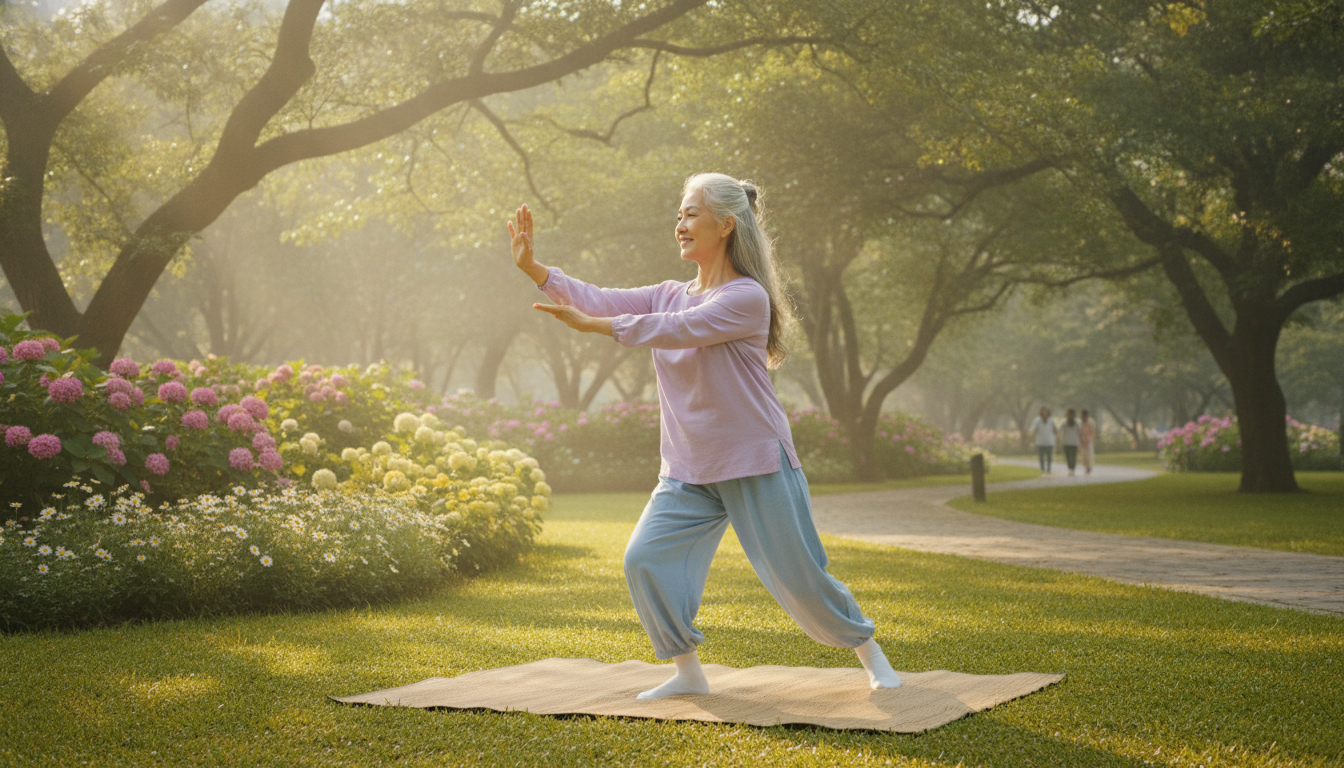
- Gentle stretching when waking up or before bed, which can help with flexibility and tension relief
- Dancing or rhythmic activities, which combine movement with pleasure
For those interested in starting a more structured exercise routine, the article Exercises at home without equipment: a practical guide can offer useful guidance — always with the caveat to adapt any activity to your own conditions and with approval from a healthcare professional.
Balanced Nutrition: Nutrition as Care
With aging, the body undergoes metabolic changes that can influence nutritional needs. It is not the goal of this article to indicate specific diets or caloric targets — this should be discussed with a nutritionist or physician. But some general principles of healthy eating are widely recommended by organizations such as the Ministry of Health and the WHO.
- Prioritize natural and minimally processed foods, such as fruits, vegetables, legumes, and whole grains
- Stay hydrated throughout the day — the sensation of thirst may decrease with age, but the need for water does not
- Include quality protein sources in meals, which is usually important for maintaining muscle mass
- Reduce consumption of ultra-processed foods, rich in sodium, sugar, and saturated fats
- Eat meals slowly and with pleasure, ideally in company, which also has a positive impact on emotional well-being
Attention to nutrition doesn’t need to be a source of anxiety or rigid restriction. Balance and variety, most of the time, already represent a consistent path.
Mental Health: Taking Care of Your Mind Is Also Aging Well
Mental health is an inseparable part of healthy aging. Feelings such as loneliness, sadness, and anxiety can be more frequent in this phase, especially in the face of losses — of loved ones, of social roles, or of physical abilities. Recognizing these feelings without judgment is an act of self-care.
Some strategies that studies associate with emotional well-being in seniors:
- Maintain active social connections — whether with family, friends, neighbors, or community groups
- Participate in purposeful activities, such as volunteering, reading groups, or religious activities
- Cultivate hobbies that bring satisfaction, such as gardening, crafts, music, or cooking
- Practice gratitude and self-knowledge, recognizing progress and valuing daily achievements
If sadness, anxiety, or isolation persist and significantly impact quality of life, seeking support from a psychologist or psychiatrist is an important and courageous step. Asking for help is not weakness — it is wisdom.
In situations of intense suffering or crisis, remember: CVV (Center for Life Appreciation) is available free of charge at number 188, 24 hours a day. In emergencies, seek the nearest healthcare service.
The Role of Sleep and Rest
Sleep often changes with aging — cycles may become lighter, sleep and wake times may shift, and nighttime awakenings may become more frequent. This doesn’t always indicate a problem, but it deserves attention.
Restorative sleep is associated, in research, with better cognitive function, more stable mood, and lower risk of various health conditions. Some practices that can contribute to good sleep hygiene:
- Maintain regular sleep and wake times
- Avoid bright screens (cell phones, television) in the hours before bed
- Create a calm, dark environment with a comfortable temperature
- Avoid heavy meals and caffeine late in the day
- Practice relaxing activities before bed, such as light reading or slow breathing
If sleep problems are frequent or disturbing, it is important to report them to your doctor — there are specific assessments and approaches for this.
Social Connections and Health: Don’t Underestimate the Power of Bonding
Research in public health suggests that social isolation can be as harmful to health as other known risk factors. For seniors, maintaining an active support network — family, friends, community — is usually associated with greater longevity and well-being.
In 2026, digital technologies offer new ways to connect: video calls with distant relatives, WhatsApp groups with friends, participation in online communities of shared interests. Using these tools consciously and in balance can be an important ally — as long as it doesn’t replace face-to-face contact when it is possible and desired.
If you want to understand more about how social networks affect emotional well-being, the article Social media and mental health: what research says offers an evidence-based view on the topic.
When to See a Healthcare Professional
Healthy habits are powerful allies, but they do not replace regular medical care. Some situations indicate that it is time to seek professional guidance:
- Persistent pain, new or intensifying, especially in joints, spine, or chest
- Recent falls or frequent sensation of imbalance
- Sleep alterations that persist for weeks and affect daily functioning
- Significant loss of appetite or abrupt changes in weight
- Frequent forgetfulness beyond what was usual
- Depressed mood, intense anxiety, or social isolation that prolonged
- Any new or concerning symptom that raises doubt
Routine consultations with family doctors, geriatricians, dentists, and other specialists are part of preventive care — and should not be neglected even when a person feels well.
An Active Life Begins Today, at Your Own Pace
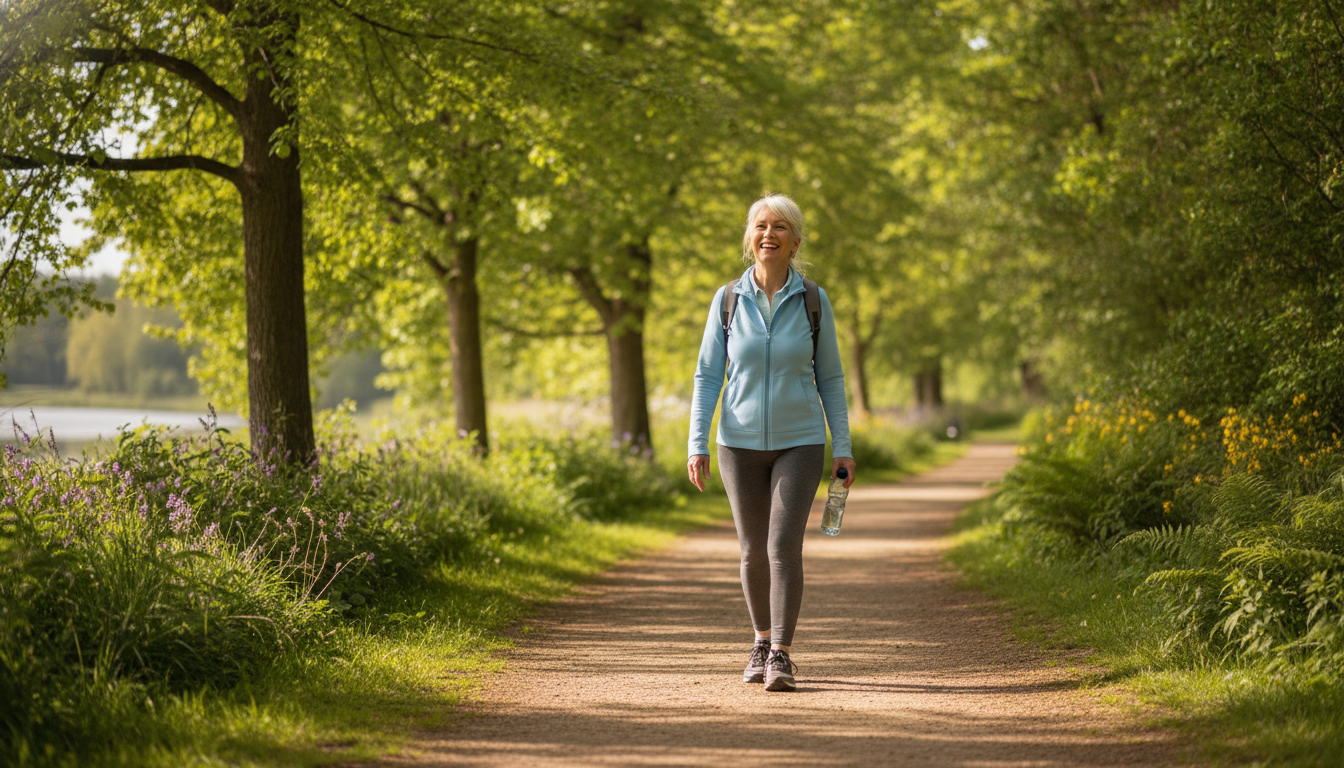
Aging well does not require perfection. It requires consistency, self-compassion, and willingness to take one step at a time. Whether it’s a morning walk, a call to a loved one, a colorful and delicious meal, or a more attentive night of sleep — each small choice has value.
Taking care of your own health in the third age is, above all, an act of respect for yourself. And you deserve that care.
This content is informative and educational, and does not substitute the evaluation, diagnosis, or guidance of a healthcare professional. Always consult with a doctor, nutritionist, physiotherapist, psychologist, or other qualified professional for decisions related to your individual health.