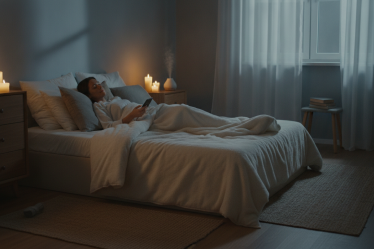
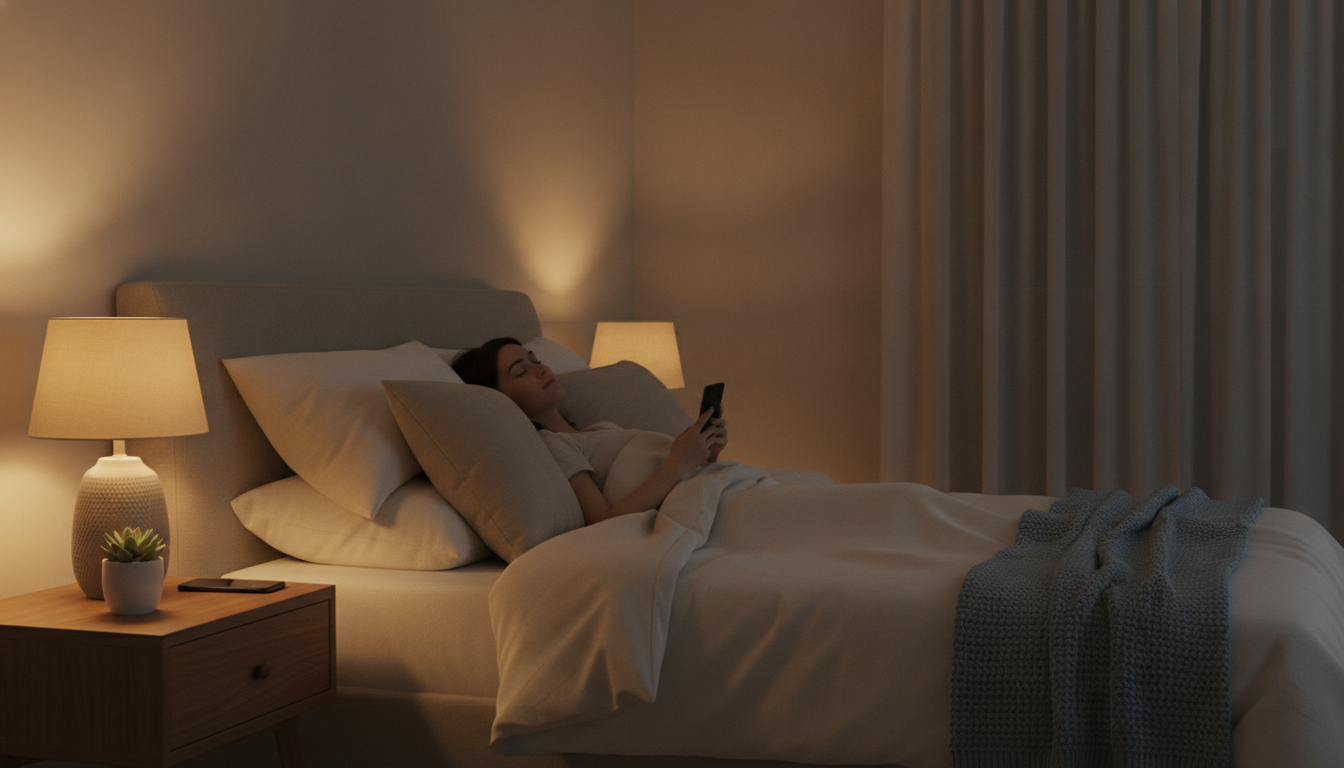
Phone Before Bed and Its Effects on Sleep
Have you ever found yourself lying in bed, promising yourself just “one more quick look” at your phone — and suddenly realized it was already midnight? Or woke up feeling more tired than when you went to bed, despite spending hours in bed? If this sounds familiar, know that you’re not alone. In 2026, the phone is practically an extension of the body: it goes to work, to lunch, to the couch and, inevitably, to the bedroom.
The problem is that this common habit can be affecting the quality of your rest in ways we don’t always notice day to day. Sleep is not just a period of “shutting down” the body — it’s an active and fundamental process for memory, immune system, emotional balance, and cardiovascular health. When it is interrupted or impaired frequently, the effects can accumulate over time.
This article was written to help you understand, in a simple and evidence-based way, what happens in your body when you use your phone near bedtime — and what you can do to care better for your rest. Nothing here replaces the evaluation of a health professional, but knowledge is always a good starting point.
What Happens in the Brain When You Go to Sleep
To understand the impact of the phone, it’s important to know a little about how sleep naturally works. Our body follows an internal biological rhythm called the circadian rhythm — a cycle of approximately 24 hours that regulates when we feel sleepy, hungry, body temperature, and various other functions.
One of the main “signallers” of this cycle is melatonin, a hormone produced by the pineal gland in the brain. Under natural conditions, melatonin begins to be released when the environment becomes darker — it’s like an internal signal that tells the body: “it’s time to rest”. This release usually occurs a few hours before you fall asleep and helps prepare the body for sleep.
What sleep science has been investigating for decades is precisely how external factors — including exposure to artificial light — can interfere with this delicate process.
Blue Light and Melatonin: What Studies Suggest
Phone, tablet, and computer screens emit a light spectrum that contains a high concentration of short-wave blue light. Studies published in journals such as the Journal of Clinical Endocrinology & Metabolism and research conducted by institutions such as Harvard Medical School suggest that this type of light can suppress melatonin production more intensely than other wavelengths.
When melatonin is suppressed at night, the body receives a contradictory message: even though it’s late at night, the biological signal of “time to sleep” becomes weakened. This can:
- Delay the onset of sleep — the person takes longer to fall asleep
- Reduce the duration of deep sleep, the most restorative phase
- Shift the circadian rhythm, making it harder to wake up early
It’s important to note that the intensity of this effect varies from person to person and depends on factors such as screen brightness, distance from the eyes, exposure time, and individual sensitivity. Science is still studying the real impact of technologies like blue light filters and night modes on devices — the results so far are promising, but still not conclusive about their full effectiveness.
Beyond Light: The Effect of Mental and Emotional Stimulation
Blue light is only part of the story. Using your phone before bed also brings another challenge: the content we consume. Social media, news, work messages, emotionally intense videos — all of this activates the brain at a time when it needs to be “winding down”.
Research in behavioral neuroscience indicates that the state of mental alertness associated with social media use can elevate levels of cortisol, the stress hormone, at inappropriate times. Furthermore, the design nature of applications — with notifications, likes, and infinite scrolling — is designed to keep attention active, which is exactly the opposite of what sleep needs.
There is also the emotional impact: a heated discussion in the comments, disturbing news, or comparison on social media can generate states of anxiety or rumination that make falling asleep even more difficult. It’s no wonder that studies have been investigating the relationship between nighttime social media use and worsening sleep quality, especially in adolescents and young adults.
Signs That Your Sleep May Be Affected
The connection between phones and poor sleep is not always obvious. Some signs that may indicate that rest is not being sufficient or restorative include:
- Taking more than 30 minutes to fall asleep frequently
- Waking up several times during the night
- Feeling tired even after hours in bed
- Difficulty concentrating during the day
- Irritability or frequent mood swings
- Dependence on coffee or energy drinks to function
These signs don’t automatically mean that the phone is the cause — many factors influence sleep, such as stress, health conditions, bedroom environment, and eating habits. So observing patterns over time and talking with a professional is always the most advisable path.
Strategies That Can Help Improve Sleep
The good news is that there are simple habit changes that studies suggest are beneficial for sleep quality. None of them is a magic solution, but together they tend to contribute to better rest:
- Establish a time to “turn off” screens — many sleep experts suggest avoiding lit screens at least 30 to 60 minutes before bed. This time can vary depending on each person’s sensitivity.
- Create a nighttime routine — activities such as reading a physical book, taking a warm bath, or practicing mindful breathing can help the nervous system enter rest mode.
- Keep your phone out of the bedroom — or at least away from the bed. Using your phone as an alarm is an incentive to keep it close; a regular alarm clock can solve that.
- Activate “do not disturb” mode — to reduce the temptation to check notifications at night.
- Reduce brightness and use warm light filters at night — although the effectiveness of blue light filters is still being studied, reducing overall brightness can already make a difference.
- Care for your bedroom environment — pleasant temperature, darkness, and silence are allies of quality sleep, according to the National Sleep Foundation’s recommendations.
- Observe your patterns — keeping a simple sleep diary for a few weeks can reveal connections between habits and sleep quality.
Practices such as meditation and mindfulness have also been studied as support for sleep quality, especially for people who report nighttime anxiety. And building healthy habits in a sustainable way tends to be more effective than radical and short-term changes.
When to Seek Professional Help
Habit changes are a good start, but there are situations where professional follow-up is essential. Consider seeking help from a doctor or sleep specialist if:
- Sleep problems persist for more than a few weeks, even with habit changes
- You snore intensely, wake up with a sensation of suffocation, or experience excessive daytime sleepiness (these may be signs of conditions like sleep apnea, which require medical evaluation)
- Sleep deprivation is affecting your work, relationships, or emotional health
- You notice that anxiety or racing thoughts are frequent at bedtime
If tiredness and poor sleep are accompanied by persistent sadness, loss of interest in things that once brought pleasure, or intense suffering, talking with a psychologist or psychiatrist can be very important. Seeking support is an act of self-care — and if you need encouragement to take that step, know that asking for help is a sign of strength, not weakness.
In situations of crisis or intense suffering, the CVV (Center for the Appreciation of Life) provides free assistance at 188, 24 hours a day. In emergencies, seek the nearest emergency room.
Conclusion
Caring for sleep is caring for yourself — your body, mind, and overall quality of life. The relationship between phones and rest is real and deserves attention, but it’s also something over which we have some power to act. Small changes, made with consistency and patience, can make a difference over time.
It’s not about demonizing technology or promising immediate results, but about understanding how our habits align with our biology — and making more conscious choices, one night at a time.
If you’ve identified concerning patterns in your sleep, remember: the most important step is always to see a health professional. They can assess your case individually and indicate the best path for you.
This content is informative and educational, and does not replace assessment, diagnosis, or treatment by a qualified health professional. If you have questions about your health, consult a doctor or specialist you trust.