

High-Fiber Foods and Their Benefits for Your Body
Have you ever considered how much what we put on our plates influences not just our stomachs, but our mood, energy, and even immunity? Amidst the plethora of information out there, one nutrient has consistently stood out in scientific research for decades: dietary fiber. Simple, accessible, and often part of everyday cuisine, fibers are a cornerstone of a balanced diet — deserving much more attention than they typically receive.
While they are primarily known for their role in bowel function, fibers do much more for the body than just “regulate transit.” Studies published in peer-reviewed scientific journals suggest associations between adequate fiber intake and cardiovascular health, glycemic control, satiety, and even the balance of the gut microbiota — that fascinating ecosystem of microorganisms inhabiting our intestines and interacting with virtually all body systems.
In this article, we will explore clearly and warmly what science knows so far about dietary fibers: what they are, where to find them, how they typically act in the body, and why it’s worth giving them more room in daily life. As always, the content here is educational and general — for personalized guidance, it’s best to consult a healthcare professional or nutritionist.
What Are Dietary Fibers, Anyway?
Dietary fibers are a type of carbohydrate found in plant-based foods that the human body cannot fully digest. Unlike starch or sugar, they pass through the small intestine almost intact and reach the large intestine, where they exert much of their effects.
They are divided into two main groups:
- Soluble fibers: dissolve in water, forming a viscous gel in the digestive tract. Found in oats, legumes (beans, lentils, chickpeas), apples, pears, and carrots, among others.
- Insoluble fibers: do not dissolve in water and increase the bulk of the stool, aiding intestinal transit. Present in wheat bran, whole grains, leafy greens, and fruit skins.
Most fiber-rich foods contain a combination of both types — making variety on the plate particularly interesting.
What Fibers Typically Do for Your Body
Intestinal Health and Microbiota
Perhaps the most well-known effect of fibers is their support for bowel function. Insoluble fibers increase the volume and softness of stools, which usually contributes to regular bowel movements and may help reduce discomfort associated with constipation.
But there’s something even deeper happening. Soluble fibers serve as food for beneficial gut bacteria — a process called fermentation. This fermentation produces compounds called short-chain fatty acids (like butyrate), which studies suggest play important roles in intestinal wall integrity and anti-inflammatory processes. The science of microbiota is still evolving, but findings so far point to a real connection between the diversity of our gut flora and overall health.
Satiety and Energy Balance
Fiber-rich foods tend to be more voluminous and digest more slowly, often leading to a prolonged feeling of fullness after meals. This occurs especially with soluble fibers, which form that viscous gel and delay gastric emptying.
It’s important to note that fibers are not a “magic solution” for weight — such a thing doesn’t exist. But within a balanced and varied diet, they can contribute to a longer-lasting feeling of satisfaction, which is different from promising specific results.
Cardiovascular Health
Numerous studies have investigated the relationship between soluble fiber intake and LDL cholesterol levels (the so-called “bad cholesterol”). The most studied hypothesis is that the gel formed by soluble fibers in the intestine can bind to bile acids — which contain cholesterol — and assist in their excretion. Organizations like the World Health Organization (WHO) and cardiology societies recognize fiber consumption as part of a dietary pattern associated with heart health, always within the context of an overall healthy lifestyle.
Glycemic Control
Fibers, especially soluble ones, can help moderate the rate at which sugars from foods are absorbed into the bloodstream. This effect often translates into a more gradual rise in glucose after meals. For people living with diabetes or pre-diabetes, this aspect is particularly relevant — but any dietary strategy in this context should be guided by a qualified healthcare professional.
Where to Find Fibers in Daily Life
The good news is that Brazil has a rich culinary tradition full of fiber sources. Here are some practical examples:
| Food Group | Examples |
|---|---|
| Legumes | Beans, lentils, chickpeas, peas |
| Fruits | Apple with skin, pear, banana, papaya, orange |
| Vegetables | Broccoli, carrot, zucchini, kale, beetroot |
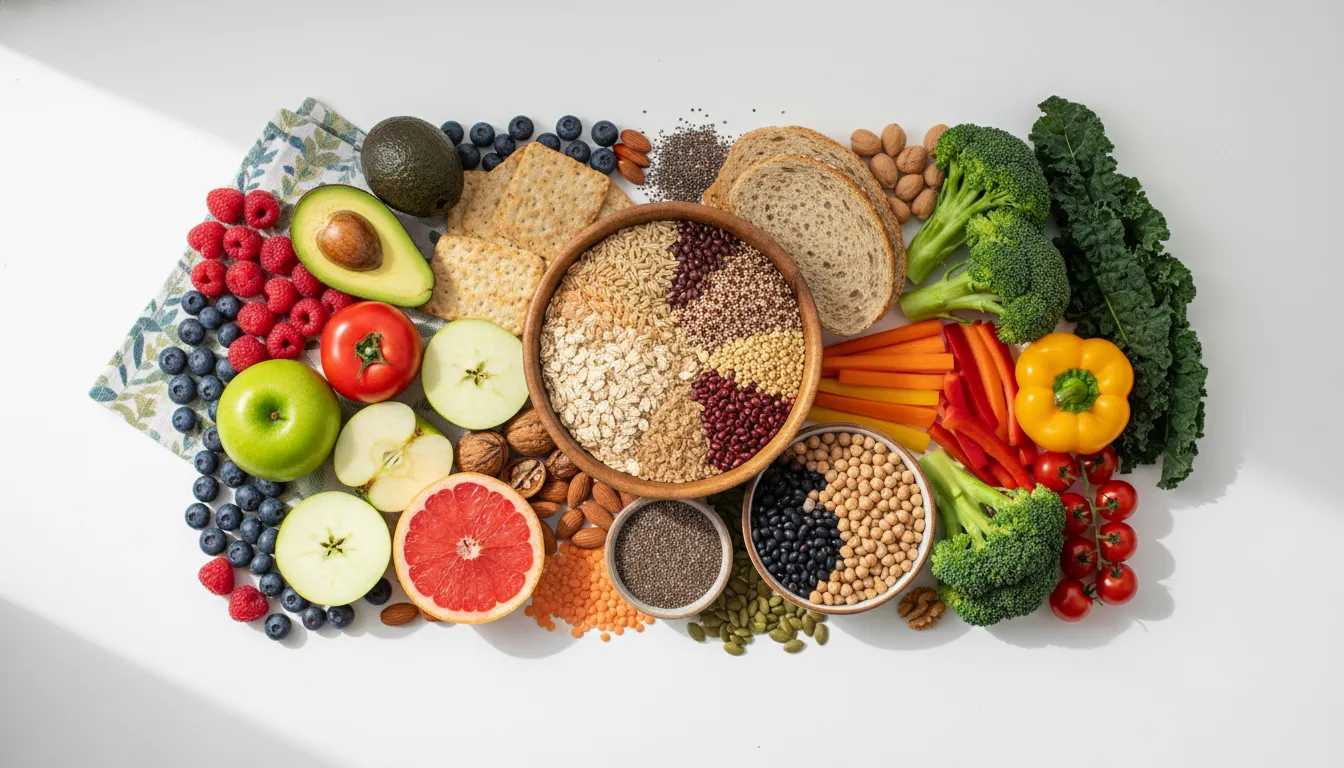
| Whole Grains | Oats, brown rice, whole wheat bread, quinoa |
| Nuts and Seeds | Flaxseed, chia, nuts, almonds |
It’s worth noting that food processing can significantly reduce fiber content. For example, orange juice loses much of the fiber present in the whole fruit — eating the fruit is always preferable when the goal is to increase fiber intake.
How to Include More Fibers Practically
There’s no need to make big transformations all at once. Small, progressive changes are usually easier to maintain. Here are some ideas:
- Choose whole versions when consuming bread, pasta, or rice. Gradual transition helps the palate adapt.
- Add legumes to meals at least a few times a week. The classic Brazilian combination of beans and rice is already a great choice.
- Eat fruits with their skins whenever possible and safe (properly washed).
- Include vegetables in different meals — not just lunch. A carrot as a snack, for example, is practical and nutritious.
- Try oats for breakfast — mixed with yogurt, fruit, or in smoothies.
- Seeds like chia or flaxseed can be added to yogurts, salads, or various dishes.
- Increase water intake along with fiber intake. Fibers need adequate hydration to work effectively — without it, the process can be uncomfortable.
It’s important to emphasize: there is no universal “right” amount. Nutritional references vary according to age, gender, and individual health conditions. Therefore, consult a nutritionist to understand what makes sense for your case.
If you want to delve deeper into broader dietary reflections, we have an article on what a balanced diet is and why it matters that can complement what you’ve read here.
An Important Point: Gradual Increase and Body Awareness
While fibers bring many benefits, increasing intake too quickly can cause digestive discomforts such as gas, bloating, and cramps. This happens because the intestine needs time to adapt — especially the microbiota, which is being “fed” differently.
The general tip is to increase gradually over days or weeks, always with good hydration. If discomforts are intense or persistent, it’s a sign to consult a healthcare professional.
When to Seek a Healthcare Professional
Dietary changes may seem simple, but individual context matters a lot. Consider seeking guidance from a nutritionist or doctor if:
- You have a health condition such as diabetes, inflammatory bowel diseases (like Crohn’s or ulcerative colitis), irritable bowel syndrome, celiac disease, or any other condition affecting digestion.
- You’re pregnant, breastfeeding, or responsible for feeding young children or the elderly.
- You notice persistent symptoms like chronic constipation, frequent diarrhea, abdominal pain, or blood in stools — these signs deserve medical evaluation, regardless of diet.
- You have questions about fiber supplementation (psyllium, inulin, etc.) — do not start any supplement without professional guidance.
- You want to create a personalized and safe dietary plan for your goals.
Conclusion
Dietary fibers are a beautiful example of how nature packages simple things with profound effects. Present in accessible and tasty foods, they contribute to well-being in ways that science is still discovering — from the gut to the heart, from satiety to glycemic balance.
Caring for one’s diet is a powerful act of self-care, and small, consistent changes often make more difference than unsustainable big transformations. If you’re curious to learn more about building a healthy relationship with food in daily life, it’s worth exploring this content on balanced eating.
Take care of yourself with kindness — and whenever you have questions about your health, seek professional advice. You deserve personalized and quality guidance.
This content is informative and educational, and does not replace professional health evaluation. It is not a diagnosis, prescription, or individual medical recommendation. Always consult a doctor, nutritionist, or other qualified professional for specific guidance for your case.