
What is a Balanced Diet and Why It Matters for Your Health
Have you ever considered how much what you put on your plate influences not only your body but also your mood, energy, and even how you face daily challenges? The relationship between diet and health is one of the most studied topics in modern medicine—and also one of the most surrounded by myths, fads, and contradictory information. Amidst so many trendy diets and miraculous promises circulating on social media, understanding what it truly means to eat a balanced diet can be a genuinely transformative step.
The good news is that a balanced diet is not about perfection, deprivation, or rigid rules. On the contrary, it is a set of choices that, over time, tend to contribute to the healthy functioning of the body—and can be adapted to each person’s reality, respecting culture, preferences, access, and living conditions. It is a broad, human, and above all, sustainable concept.
In this article, you will understand what science and major health organizations say about a balanced diet, its essential components, how it connects to overall well-being, and mainly, how to think about this topic lightly and without guilt.
What a Balanced Diet Really Means
The World Health Organization (WHO) defines a healthy diet as one that provides the necessary nutrients to keep the body functioning well at all stages of life. This includes both the variety of foods and the proportion in which they are consumed—and considers that there is no single food capable of providing everything the body needs.
The Food Guide for the Brazilian Population, published by the Ministry of Health, offers a very accessible approach: it recommends that the basis of the diet be composed of natural or minimally processed foods, such as fruits, vegetables, legumes, cereals, meats, eggs, milk, and roots. The idea is not to create a perfect menu but to cultivate a dietary pattern that makes sense for real life.
A balanced diet is usually characterized by:
- Variety: consuming foods from different groups to ensure a wide range of nutrients
- Proportionality: each food group occupies an appropriate space on the plate, without excesses or drastic exclusions
- Moderation: even foods considered less nutritious can be part of the diet when consumed occasionally and consciously
- Adequacy: choices respect the individual needs of each person, considering age, health condition, routine, and preferences
Nutrient Groups and Their Roles
To understand a balanced diet, it is worth knowing the main nutrient groups and what each does in the body—without needing to count calories or memorize complex tables.
Carbohydrates: Energy for the Day
Carbohydrates are the body’s main source of energy, especially for the brain. Studies suggest that opting for whole versions—such as whole rice, bread, and pasta, oats, and sweet potatoes—can contribute to a more gradual energy release and a longer-lasting feeling of satiety.
Proteins: Building and Maintenance
Proteins are involved in the formation and repair of tissues, the production of enzymes and hormones, and the functioning of the immune system. Varied sources include meats, fish, eggs, dairy products, legumes (beans, lentils, chickpeas), and nuts.
Fats: Essential, Not Enemies
For a long time, fats were treated as villains. Today, science is clearer: the type of fat matters. Unsaturated fats, found in olive oil, avocado, nuts, and fish like sardines and salmon, are often associated with cardiovascular health benefits. Excessive consumption of trans and saturated fats deserves attention—something a nutritionist can guide individually.
Vitamins and Minerals: Silent Regulators
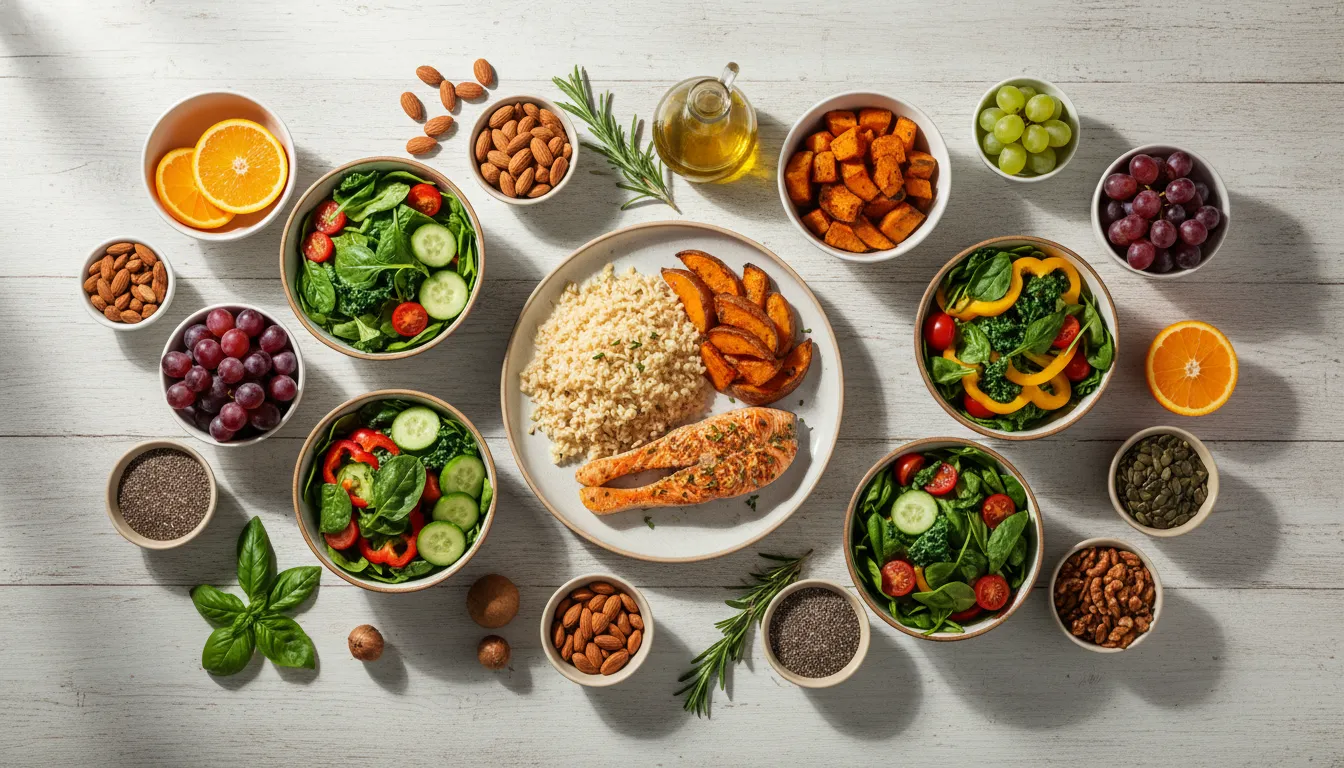
Found mainly in fruits, vegetables, and legumes, vitamins and minerals are involved in virtually all bodily processes—from immunity to bone health, energy production to nervous system functioning. Therefore, a variety of colors on the plate is a simple and visual indicator of a more complete diet.
Fiber: Allies of the Intestine and More
Fibers, found in vegetables, fruits, legumes, and whole grains, aid in intestinal function, and studies suggest they may contribute to blood sugar regulation and a feeling of satiety.
Water: The Most Forgotten Nutrient
Adequate hydration is a fundamental part of any healthy dietary pattern. WHO highlights that water is involved in almost all metabolic processes in the body. The ideal amount varies from person to person and depends on factors such as climate, physical activity, and health condition—a healthcare professional can better guide this.
The Connection Between Diet and Mental Health
In recent years, the so-called nutritional psychiatry has been gaining more and more space in scientific research. Peer-reviewed studies suggest that there is a relationship between dietary patterns and mental well-being—especially through the so-called gut-brain axis, a bidirectional communication pathway between the digestive system and the central nervous system.
This does not mean that diet alone resolves mental health issues—far from it. But it can be a supportive component within a broad care approach. Just as sleep directly influences your mood and disposition (you can read more about this in How Sleep Influences Your Mental Health), the quality of what we eat can be another factor contributing to emotional balance.
The Role of Ultra-Processed Foods: What Science Says
Ultra-processed foods—those with long lists of ingredients, additives, preservatives, and artificial flavorings—are increasingly being studied in relation to health. The Food Guide for the Brazilian Population recommends avoiding excessive consumption of these products, which include soft drinks, snacks, industrialized sausages, filled cookies, and typical fast foods.
This does not mean that a snack during a movie afternoon will destroy your health. The issue is the pattern over time: when these foods regularly replace meals based on fresh ingredients, the body tends to receive fewer nutrients and more substances that may not be beneficial in excess.
Practical Tips for Building a More Balanced Plate
A balanced diet may seem complicated in theory, but in everyday life, it translates into simple and progressive choices. Here are some starting points:
- Start with half the plate: try to fill half with vegetables of different colors
- Prefer recognizable foods: if you look at the plate and recognize the ingredients without needing to read a label, it’s a good sign
- Cook more at home when possible: preparing your own food tends to increase the consumption of natural foods and reduce that of ultra-processed ones
- Eat with attention: turning off screens during meals and eating slowly can improve the perception of satiety and the pleasure of eating
- Don’t demonize foods: guilt and rigidity around food can be as harmful as less nutritious choices. Balance is also emotional
- Plan without perfection: having healthy options available at home makes choices easier, but slip-ups are part of life—and that’s okay
- Consider your culture and budget: beans with rice, one of the most traditional combinations in Brazilian cuisine, is an example of a nutritious, accessible, and culturally significant meal
When to Seek a Health Professional
Although the general guidelines in this article may be helpful as a starting point, each person is unique—and there are situations where it is essential to seek the guidance of a qualified professional. Consult a nutritionist, doctor, or other health professional if you:
- Have health conditions such as diabetes, hypertension, kidney diseases, food allergies, or any other chronic condition requiring specific dietary adaptation
- Are undergoing significant physiological changes, such as pregnancy, breastfeeding, menopause, or growth in adolescence
- Notice persistent symptoms that may be related to diet, such as excessive fatigue, hair loss, intestinal changes, or other signs that deserve investigation
- Feel that your relationship with food is causing distress, excessive guilt, compulsion, or behaviors that concern you—in this case, a psychologist or psychiatrist can also be of great help
Remember: seeking professional guidance is not a sign of weakness but of self-care.
Diet as Part of a Broader Lifestyle
A balanced diet rarely acts alone. It makes more sense when integrated with other pillars of well-being: restorative sleep, regular movement, affective connections, stress management, and leisure moments. In fact, just as taking care of the balance between personal and professional life can positively impact overall health, cultivating a good relationship with food is also part of this integrated care.
In 2026, with life increasingly accelerated and information about health increasingly fragmented and contradictory, perhaps the wisest gesture is indeed to return to basics: eating real food, with pleasure, in the company of those you like, without excessive guilt and paying attention to your own body.
Conclusion
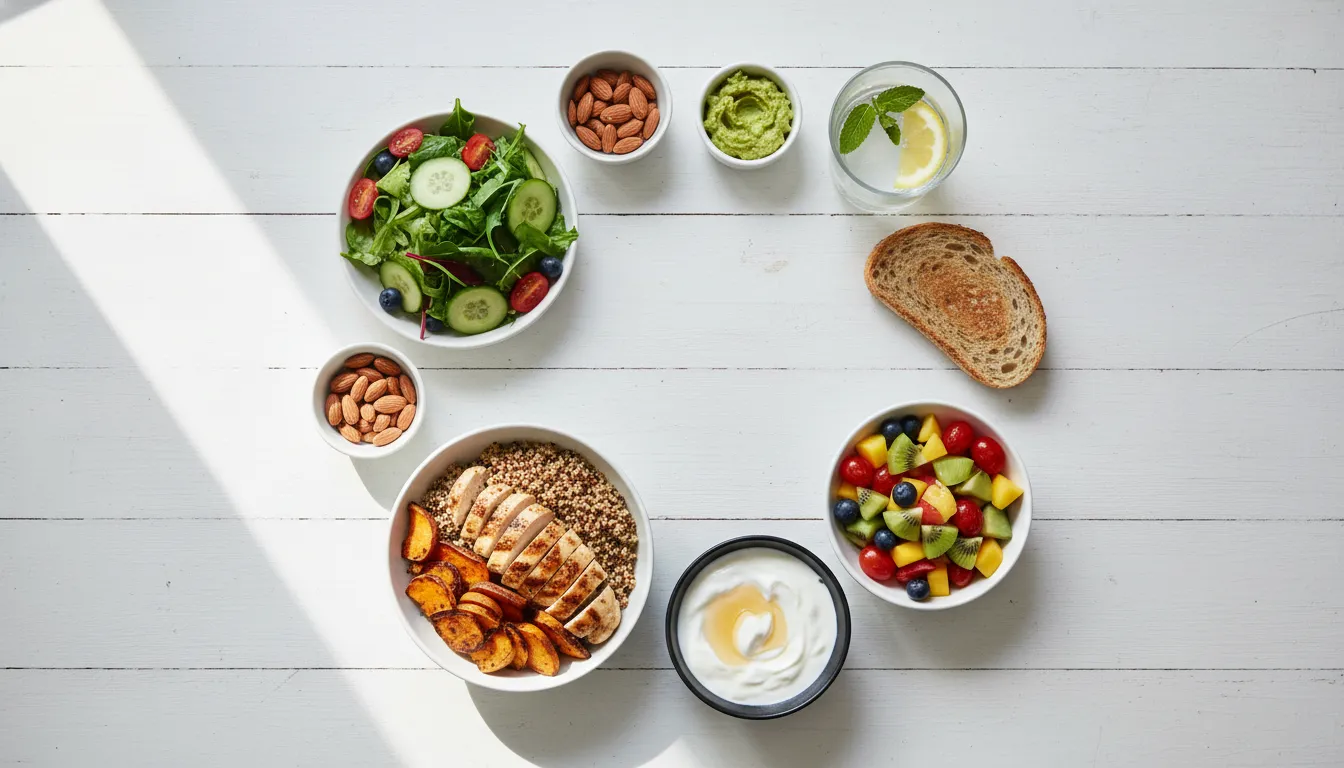
A balanced diet is not an unattainable goal reserved for those with extra time and money. It is, in fact, a set of daily practices—small, consistent, and adaptable—that tend to contribute to a life with more energy, health, and well-being over time.
There is no single path, nor a perfect formula. There is your path, with your particularities, your history, and your reality. And there are health professionals ready to help you find it.
May this article be a gentle starting point to reflect on your relationship with food—with curiosity, without judgment, and with much care for yourself.
This content is informative and educational, and does not replace the evaluation, diagnosis, or guidance of a health professional. Consult a doctor, nutritionist, or other qualified professional for individualized guidance.