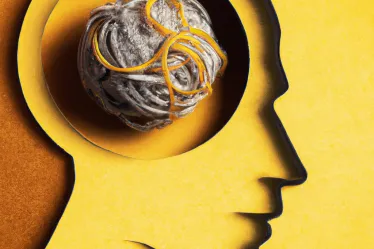
Reaching old age with energy, mental clarity, and a desire to learn is not just a wish—it’s a real possibility that largely depends on the habits cultivated over time and those we start adopting now. By 2026, life expectancy in Brazil continues to rise, prompting an increasingly important question: how can we age with quality, keeping our minds active and present?
The good news is that the human brain has a remarkable ability to adapt throughout life. Neuroscience studies suggest that the brain can continue forming new connections even in advanced ages—a property known as neuroplasticity. This doesn’t mean aging doesn’t bring changes; it means these changes can be positively influenced by daily choices.
This article compiles habits supported by scientific evidence that typically contribute to cognitive health in old age. It does not replace the guidance of a healthcare professional but can be a starting point for important conversations with your doctor, neurologist, or multidisciplinary team.
Why Take Care of Mental and Cognitive Health in Old Age?
Healthy aging goes far beyond the absence of diseases. The World Health Organization (WHO) defines health as a state of complete physical, mental, and social well-being—and this fully applies to the elderly population. Keeping the mind active is associated, according to scientific literature, with greater autonomy, better quality of life, and emotional well-being.
At the same time, it’s important to distinguish what is natural in aging—such as a slightly slower pace in recalling certain information—from what may indicate something that deserves medical evaluation. Occasional forgetfulness is common; persistent difficulties that affect daily life warrant specialized attention.
Caring for the mind is also caring for emotions. Loneliness, isolation, and prolonged sadness are factors that, according to research, can negatively impact cognition. Therefore, mental health and cognitive health go hand in hand.
Intellectual Stimulation: The Brain Loves Challenges
One of the most studied habits for cognitive health is keeping the brain challenged through activities that require learning, attention, and reasoning. The idea is not to do everything at once but to find what brings genuine pleasure and curiosity.
Some activities that often help:
Learn something new: a language, a musical instrument, a craft skill. The learning process itself is stimulating for the brain.
Regular reading: books, newspapers, magazines—any format that encourages concentration and reflection.
Cognitive games: crosswords, chess, puzzles, and memory games are often associated with exercising cognitive functions in studies.
Writing: diaries, letters, personal memories. Putting thoughts into words is a rich exercise for the brain.
Courses and workshops: in-person or online, there is a growing variety of options aimed at the elderly.
The secret lies in regularity and active involvement, not just passive exposure to content.
Physical Activity: What’s Good for the Body is Also Good for the Mind
The relationship between physical exercise and brain health is one of the most consistent in scientific literature. Studies suggest that regular physical activity can contribute to maintaining cognitive functions such as memory, attention, and processing speed.
This occurs through various pathways: improved blood circulation, reduced inflammation, control of conditions like hypertension and diabetes (which can affect the brain), and even influence on substances that promote neuroplasticity.
Important: before starting any exercise program, especially in old age, it’s essential to consult a doctor for individual assessment. Each person has different physical conditions, and a healthcare professional can recommend the safest and most suitable activities for your case.
In general, activities like walking, swimming, dancing, tai chi chuan, and light resistance exercises are often mentioned in health guidelines for the elderly—always adapted to individual conditions and capabilities.
Social Connections: Loneliness is a Real Risk Factor
Science has reinforced something intuition might already tell us: social isolation is harmful to health. Research indicates that chronic loneliness is associated with poorer cognitive performance and a higher risk of mental decline over time.
Maintaining emotional bonds, participating in community groups, attending social environments, and cultivating friendships are habits that nourish not only the emotional but also the mind.
Ways to Strengthen Social Connections:
Participate in social groups, clubs, or neighborhood associations
Attend religious or spiritual activities if they are part of your life
Maintain regular contact with family, even at a distance
Engage in volunteer work—which also brings purpose and a sense of belonging
Join learning groups, like dance, theater, or painting classes
If you feel that loneliness or sadness persists, seeking support from a psychologist or trusted individuals is an important step. Taking care of emotional health is an essential part of healthy aging.
Quality Sleep: The Brain Needs Rest to Function Well
Sleep plays an active role in memory consolidation and maintaining brain health. During rest, the brain performs “cleaning” and organization processes of information that are essential for cognitive functioning.
Sleep problems are common in old age and deserve attention. Persistent difficulties sleeping, intense snoring, or excessive daytime fatigue may have treatable causes—and a healthcare professional is the right person to investigate.
Some general habits that often promote more restorative sleep:
Maintain regular sleep and wake times
Create a calm, dark, and comfortable environment
Avoid bright screens before bedtime
Limit caffeine and stimulant beverages in the afternoon and evening
Include a relaxing routine before bed, like light reading or breathing techniques
Speaking of breathing, relaxation and mindfulness practices can be allies in this process. You can explore more on the topic in this article: Breathing Techniques to Help Relieve Anxiety.
Balanced Diet: Nourishing the Brain with What It Needs
The brain is a very metabolically active organ, and diet influences its functioning. While it’s not possible to recommend specific diets here, general guidelines from evidence-based nutrition point to dietary patterns that include:
Abundance of fruits, vegetables, and greens
Consumption of whole grains, legumes, and nuts
Healthy fat sources, like olive oil and cold-water fish
Good hydration throughout the day
Moderation in the consumption of ultra-processed foods, added sugars, and saturated fats
Individualizing the diet, especially in old age—when health conditions, medication use, and nutritional needs can vary greatly—should be done with the guidance of a nutritionist.
Purpose and Emotional Health: Essential Ingredients
Research suggests that having a sense of purpose—feeling that life has meaning and there are reasons to get up every day—is associated with better cognitive health and greater longevity. This can come from very different sources: family, spirituality, creative projects, community contribution.
If you feel that sadness, discouragement, or anxiety are intensely and continuously present, seeking psychological support is a gesture of self-care, not weakness. In times of intense suffering or crisis, remember that help exists: the CVV (Centro de Valorização da Vida) is available at 188, a free call available 24 hours a day.
When to Seek a Healthcare Professional?
Some signs deserve attention and specialized evaluation. Consult a doctor if you or someone close notices:
Frequent forgetfulness affecting daily life (appointments, names of close people, usual tasks)
Difficulty orienting in familiar places
Behavioral, mood, or personality changes without apparent cause
Difficulty performing tasks that were once simple
Disorientation in time or space
Persistent symptoms of depression or anxiety
Only a qualified healthcare professional—doctor, neurologist, geriatrician, or multidisciplinary team—can investigate, evaluate, and guide each situation appropriately.
Conclusion
Keeping the mind active in old age doesn’t depend on grand gestures—it depends on small habits practiced regularly and with the awareness that self-care is always valid, at any stage of life.
Intellectual stimulation, movement, emotional connections, quality sleep, balanced nutrition, and purpose are ingredients that, together, often contribute to aging with more health, presence, and well-being. And every step in this direction, no matter how small it seems, makes a difference.
Take care of yourself with kindness—and remember, you don’t have to walk this path alone.
> This content is informative and educational and does not replace evaluation, diagnosis, or treatment by a healthcare professional. Always consult your doctor or healthcare team for individualized guidance.