
What Are Ultra-Processed Foods?
Have you ever stopped to read the label of a filled cookie, instant noodles, or an energy drink? If the ingredient list looks more like a chemical formula than a recipe, you’re likely dealing with an ultra-processed food. In recent years, especially following studies on the NOVA food classification system, this group of products has gained increasing attention from researchers, nutritionists, and public health authorities worldwide—and for good reasons.
The consumption of such foods has grown significantly worldwide in recent decades, including in Brazil. According to data from the Ministry of Health, ultra-processed foods already represent a significant portion of the calories consumed by the Brazilian population, especially by children and adolescents. Understanding what they are, how to identify them, and how they typically affect health is an important step toward making more conscious choices in daily life.
This article aims to explore the topic clearly and evidence-based, without judgments or miracle solutions. The idea is not to create guilt about what you eat but to provide quality information so you can make more informed decisions—always with the support of a health professional or nutritionist when necessary.
Understanding the NOVA Classification
To talk about ultra-processed foods, it’s essential to know the NOVA system, developed by researchers at the University of São Paulo (USP) and adopted as a reference by organizations like the Pan American Health Organization (PAHO). This system classifies foods into four groups according to the degree of processing they have undergone:
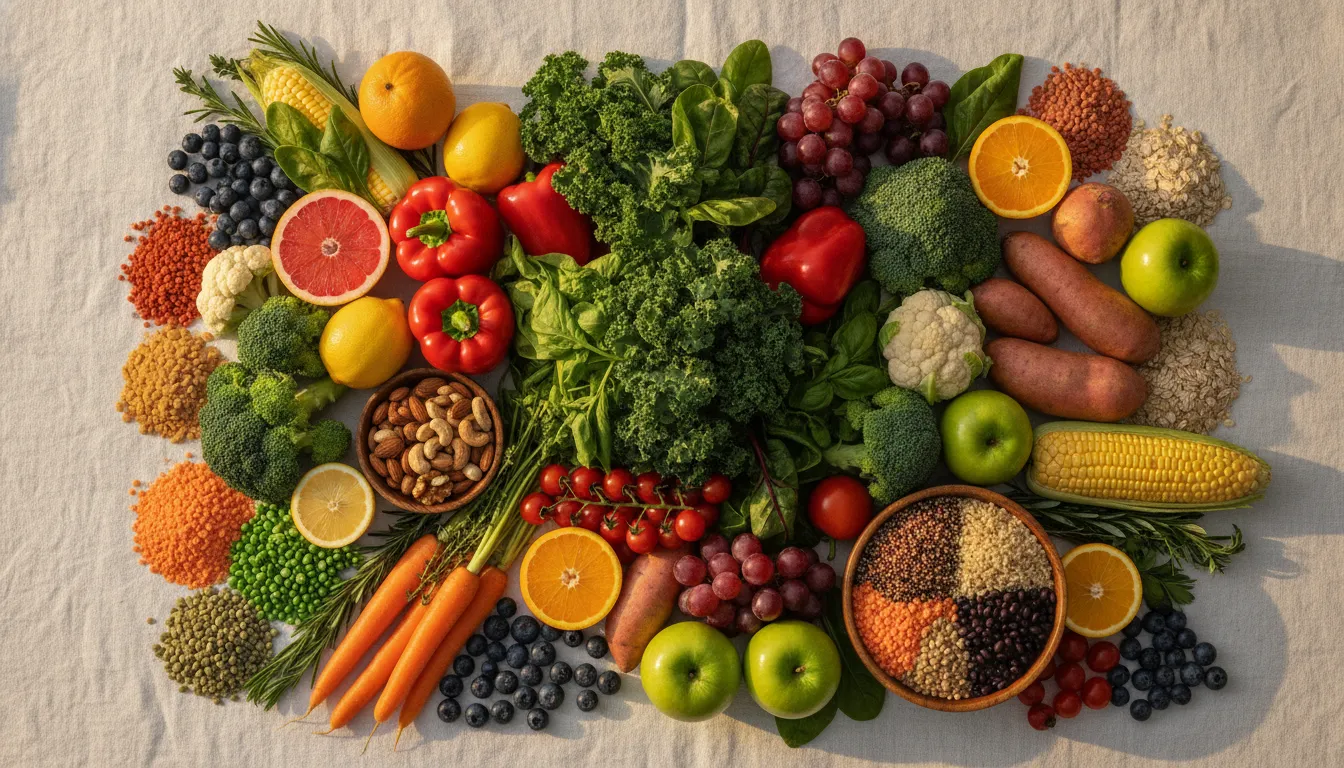
- Group 1 – Unprocessed or minimally processed foods: fruits, vegetables, fresh meats, beans, rice.
- Group 2 – Processed culinary ingredients: oils, sugar, salt, flour—used to prepare meals at home.
- Group 3 – Processed foods: cheeses, preserves, artisanal breads, simple cold cuts.
- Group 4 – Ultra-processed foods: industrial products with multiple ingredients, many of which are rarely used in home kitchens.
The fourth group raises the most concerns. These products are designed to be highly palatable, durable, practical, and attractive—characteristics often associated with formulations rich in sugar, fat, sodium, and artificial additives.
How to Recognize an Ultra-Processed Food in Practice
Identifying an ultra-processed food may seem complicated at first, but some signs often appear frequently. A careful reading of the label is the best starting point.
Ingredients That Stand Out
- Names that are difficult to pronounce or recognize: maltodextrin, fructose syrup, textured protein, carrageenan, titanium dioxide.
- Lists with more than five or six ingredients, especially when most are industrial in origin.
- Presence of artificial flavors, synthetic colorings, and preservatives in high quantities.
Common Examples of Ultra-Processed Foods
- Sodas and artificially sweetened beverages
- Filled cookies and packaged snacks
- Instant noodles and powdered soups
- Nuggets and other reconstituted meat products
- Sliced bread with a long list of additives
- Sugary breakfast cereals
- Industrial ice creams and dairy desserts with many additives
- Ultra-processed cereal bars (different from simple nut bars)
This does not mean that consuming any of these products occasionally is forbidden or destroys health. What studies have been analyzing is the consumption pattern—that is, what happens when these foods become the basis of the diet.
What Science Says About the Risks
Research on ultra-processed foods is still developing, and it’s important to be honest about what we know and what is still being investigated. However, large-scale observational studies, published in scientific journals like The BMJ and The Lancet, have found associations between high consumption of these products and a range of negative health outcomes.
Among the associations most frequently pointed out in the scientific literature are:
- Increased risk of cardiovascular diseases: the high sodium, saturated fats, and trans fats present in many ultra-processed foods are associated with increased blood pressure and cardiovascular risk.
- Metabolic changes: frequent consumption of added sugars and refined carbohydrates can contribute to insulin resistance and other metabolic imbalances.
- Impacts on gut microbiota: studies suggest that additives like emulsifiers and artificial sweeteners may alter the composition of gut bacteria, although this area is still being actively investigated.
- Association with mental health: more recent research has explored the relationship between ultra-processed diets and indicators of emotional well-being, such as symptoms of anxiety and depression, but it’s important to note that this relationship is complex and multifactorial.
It’s crucial to remember that association is not causation. These studies do not prove that eating ultra-processed foods directly causes these conditions—but they do point to patterns that deserve attention and have motivated public health recommendations in several countries.
Why Is It So Hard to Avoid Them?
If ultra-processed foods raise so many concerns, why are they on practically every shelf and on so many people’s tables? The answer involves factors that go far beyond lack of information or willpower.
- Convenience and cost: in a busy routine, ready-made and cheap products are often the most accessible option, especially for families with less time and income.
- Palatability engineering: these products are formulated to stimulate immediate pleasure, combining sugar, salt, and fat in ways that can make it difficult to control how much we consume.
- Intense marketing: advertising for ultra-processed foods is massive, especially directed at children.
- Availability: in many urban and peripheral contexts, ultra-processed products are easier to find than fresh fruits and vegetables.
Recognizing these obstacles is essential to avoid turning the topic into an issue of individual guilt. Sustainable dietary changes are usually gradual and need to consider each person’s reality.
Practical Strategies to Reduce Consumption
No one needs to transform their diet overnight. Small, consistent changes tend to be more sustainable than radical cuts. Check out some general suggestions:
- Read labels carefully: compare similar products and choose those with fewer and recognizable ingredients.
- Cook more at home when possible: even simple recipes made with basic ingredients tend to be better options than ready-made products.
- Plan weekly meals: having a basic plan reduces reliance on ultra-processed options in moments of haste.
- Gradually substitute: swap a soda for sparkling water with lemon, filled cookies for fruits or nuts. Small swaps add up over time.
- Pay attention to the food environment: keeping fruits and unprocessed foods visible and accessible at home often facilitates healthier choices.
- Avoid shopping when hungry: it’s a classic tip, but studies suggest it really influences choices at the supermarket.
- Be kind to yourself: one “less-than-ideal” meal doesn’t undo a healthy eating pattern. Consistency over time is what matters most.
For more tips on daily habits that often contribute to overall well-being, see our article Boost Your Energy with Simple Daily Habits.
When to Seek a Health Professional
While this article provides general information, each person has unique nutritional needs, depending on age, health conditions, medical history, routine, and other individual factors.
Consider seeking guidance from a nutritionist or doctor if:
- You have chronic diseases like diabetes, hypertension, cardiovascular or kidney diseases that require specific dietary care.
- You notice a difficult relationship with food—whether due to binge eating, excessive restriction, or intense negative feelings related to eating.
- You want to make deeper dietary changes and need a safe and personalized plan.
- You have questions about nutrition during pregnancy, breastfeeding, childhood, or old age.
Caring for your diet can also be connected to caring for your mind. If you notice that emotional issues greatly influence your eating habits, talking to a psychologist can be a valuable path—and this type of support doesn’t need to wait for a crisis to occur.
Conclusion
Ultra-processed foods are part of the dietary reality for many people, and discussing them is not the same as pointing fingers at those who consume them. The goal is precisely the opposite: to provide clear information so that each person can make more conscious choices within their reality.
Available studies suggest that reducing the consumption of this group of foods and giving more space to unprocessed and minimally processed foods can contribute to a more balanced diet—and this, over time, tends to reflect positively on health. There are no magic formulas or guaranteed results, but there is consistent evidence that diet quality matters.
If this article sparked interest in other aspects of well-being, you might be interested in content about keeping an active mind in old age: where to start, which addresses habits that often contribute to health at different life stages.
Take care of yourself with kindness—and when in doubt, seek personalized help.
This content is informative and does not replace the evaluation of a health professional. Always seek a doctor, nutritionist, or other qualified professional for individual guidance on diet and health.
- Cook more at home when possible: even simple recipes made with basic ingredients tend to be better options than ready-made products.
- Palatability engineering: these products are formulated to stimulate immediate pleasure, combining sugar, salt, and fat in ways that can make it difficult to control how much we consume.
- Metabolic changes: frequent consumption of added sugars and refined carbohydrates can contribute to insulin resistance and other metabolic imbalances.
- Increased risk of cardiovascular diseases: the high sodium, saturated fats, and trans fats present in many ultra-processed foods are associated with increased blood pressure and cardiovascular risk.
- Group 2 – Processed culinary ingredients: oils, sugar, salt, flour—used to prepare meals at home.