
Introduction
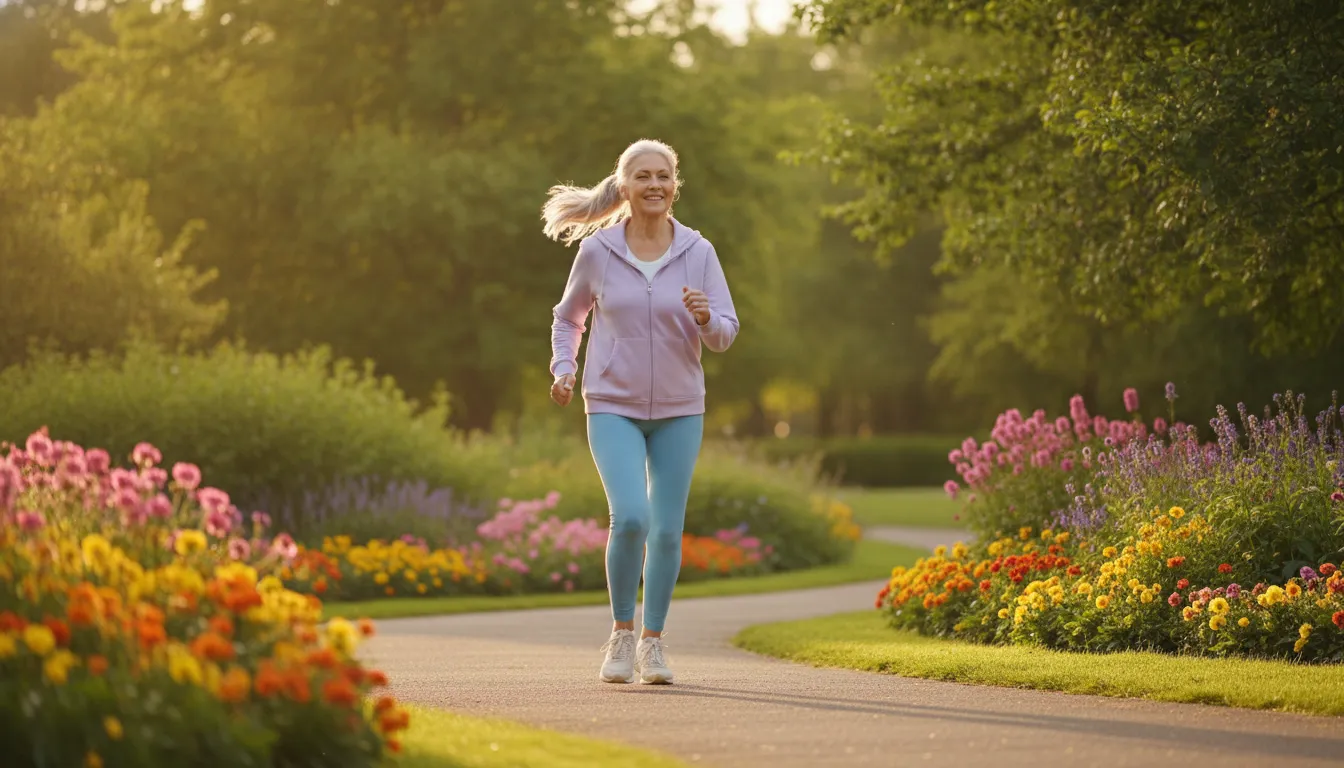
Aging healthily is a goal shared by millions, and increasingly, science emphasizes that physical movement is a crucial pillar in achieving this. By 2026, Brazil already has a significant elderly population, making the quality of life for this group a public health priority. The good news is that it’s never too late to start moving, and small changes in daily life can make a real difference in physical and emotional well-being.
When we talk about “physical activity for seniors,” many still imagine crowded gyms, intense exercises, or rigid routines that seem far from reality. The truth is quite different: studies and health guidelines recognize that movement can—and should—be adapted to each person’s real life, respecting limitations, preferences, and individual contexts. The key is to break away from a sedentary lifestyle gradually, safely, and enjoyably.
This article is designed for those caring for an elderly family member, health and education professionals working with this audience, and seniors themselves who want to understand better how movement can contribute to a fuller life. We’ll explore simple, evidence-based strategies to make physical activity a natural part of the routine—without pressure and without impossible promises.
Why is movement so important in old age?
The natural aging process brings changes to the body: reduced muscle mass, decreased bone density, changes in balance and flexibility. These factors, combined with a sedentary lifestyle, can increase the risk of falls, frailty, and loss of autonomy. The good news is that regular physical activity often helps mitigate many of these effects.
The World Health Organization (WHO) recommends in its physical activity guidelines that adults aged 65 and over engage in at least 150 to 300 minutes of moderate-intensity aerobic activity per week, along with muscle-strengthening exercises on two or more days. These recommendations are meant to guide—not pressure. Each person’s starting point is unique.
Besides physical benefits, studies suggest that regular movement is associated with improved mood, reduced symptoms of anxiety and depression, and support for cognitive health. This makes sense: when we move, the body releases substances like endorphins, which often promote feelings of well-being. And it doesn’t take much to start feeling these effects.
Real barriers: What prevents seniors from moving?
Before discussing solutions, it’s important to recognize obstacles. We encourage movement, but we know it’s not always simple to implement. The most common barriers include:
- Fear of injury or falls, especially in people with a history of falls or conditions like osteoporosis
- Chronic pain, which can make movement associated with discomfort
- Lack of company or encouragement, as loneliness is a significant factor in old age
- Cultural beliefs that “the elderly shouldn’t strain their bodies”
- Difficulty accessing safe spaces, such as parks, outdoor gyms, or health units
Recognizing these barriers with empathy is the first step. Effective strategies do not ignore these challenges—they take them into account to create possible and adapted paths.
Simple strategies to encourage movement in daily life
1. Start with what the person already enjoys doing
The most effective exercise is the one the person will continue doing. If someone always enjoyed dancing, why not explore senior dance classes or simply play lively music and move around the living room? If they like walking around the neighborhood, that’s an excellent starting point.
Ask before suggesting: “What did you enjoy doing when you were younger?” or “Is there an activity that seems less tiring or more fun?” This type of active listening helps create a plan that makes sense for that specific person.
2. Use routine to favor movement
It’s not necessary to set aside exclusive time to “exercise.” Movement can be incorporated into existing activities:
- Standing up and sitting down from a chair several times before turning on the TV
- Taking short walks inside the house or in the building corridor
- Performing light household chores like sweeping, watering plants, or folding clothes consciously and without rush
- Climbing stairs when possible and safe
These micro-moments of movement throughout the day often help break sedentary habits without requiring significant effort or routine adaptation.
3. Prioritize balance and strength—with care
Exercises that work on balance and muscle strength are especially relevant for preventing falls, one of the biggest health concerns in old age. Some options often recommended for this audience include:
- Standing while holding onto a sturdy chair and slightly lifting the heels
- Walking on regular and familiar surfaces
- Exercises with elastic bands supervised by professionals
- Yoga and tai chi, modalities that combine movement, balance, and mindfulness
It’s crucial that any new activity be started with guidance from a qualified health professional or physical educator.
4. The power of group movement
The social dimension of exercise should not be underestimated. Studies suggest that seniors who exercise in groups tend to maintain the practice longer and report greater satisfaction. Walking groups, collective classes at community centers, activities promoted by Basic Health Units (UBS), or the Ministry of Health’s Health Academy program are examples of accessible and free spaces in many Brazilian cities.
Company also reduces social isolation, which is a significant risk factor for mental and physical health in old age.
5. Technology as an ally (with moderation)
By 2026, apps, smartwatches, and online videos have become increasingly accessible tools. For seniors with technological familiarity, stretching or seated exercise videos available for free on the internet can be an entry point. Some municipalities and health plans also offer supervised physical activity programs via video call.
Important: technology is a support, not a substitute. The in-person supervision of a qualified professional remains the safest path, especially for those with specific health conditions.
The role of family and caregivers
Those living with an elderly person have an important—and delicate—role. Encouraging without pressuring is key. Phrases like “you need to exercise” can generate resistance, while invitations like “I’m going for a walk to the park, want to join me?” tend to work better.
Some actions that make a difference:
- Participating in activities together whenever possible
- Creating safe environments at home (non-slip rugs, adequate lighting, well-positioned furniture)
- Celebrating each small progress without comparisons
- Respecting limits and days of lower motivation
Caring for the caregiver is also important: overwhelmed caregivers need support. If you identify with this situation, don’t hesitate to seek help.
Movement and mental health: an important connection
The relationship between physical activity and emotional health is bidirectional. When we feel mentally well, we tend to move more. And when we move, we usually feel better. For seniors, who may face grief, loneliness, or difficult transitions, this connection is especially relevant.
This doesn’t mean exercise replaces psychological or psychiatric care when needed. If the person shows persistent sadness, loss of interest in everything, intense anxiety, or any sign of significant emotional distress, it’s essential to seek professional help. The CVV (Centro de Valorização da Vida) is available 24 hours at the number 188, free of charge, for those who need to talk.
You might also be interested in this content: Sleep and Mental Health: How a Bad Night Affects Your Mood—after all, rest and movement go hand in hand when it comes to well-being.
When to seek a health professional
Before starting or intensifying any physical activity, it’s important for seniors to undergo a medical evaluation—especially if there are conditions like cardiovascular diseases, diabetes, osteoporosis, arthritis, a history of falls, or any pain that limits movement.
Seek a professional if:
- There is pain during or after physical activities
- Episodes of dizziness, disproportionate shortness of breath, or palpitations occur
- The person has recently fallen
- There are doubts about which type of exercise is safe for the specific case
The doctor, physiotherapist, and physical educator specialized in old age are essential partners in this journey. Many UBS and CAPS (Psychosocial Care Centers) in Brazil offer free care and can guide you on available physical activity programs in the region.
Conclusion
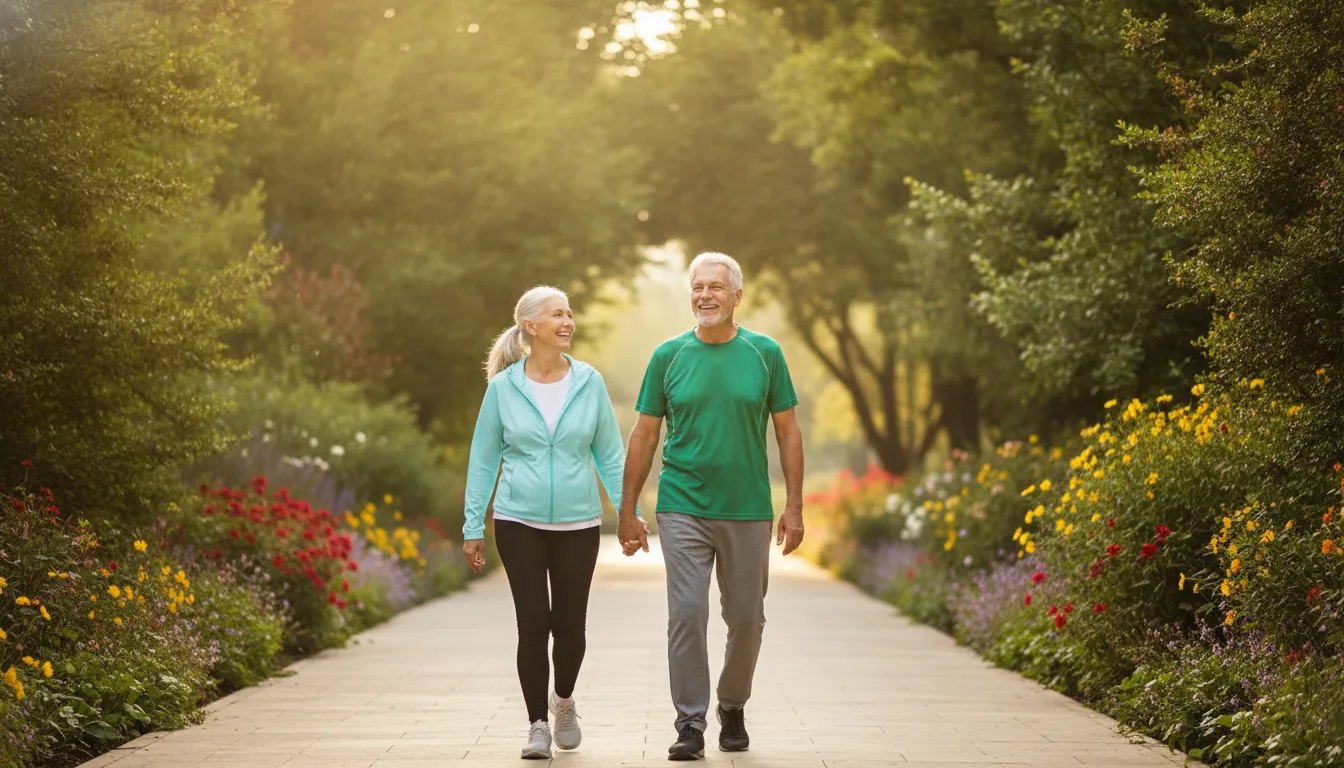
Moving in old age is not about defying time or achieving perfect results. It’s about preserving autonomy, cultivating pleasure, maintaining connections, and taking care of health in an integral way. Every step taken, every stretch done, every walk to the garden has real value—even if small in the eyes of those observing from outside.
If you are a senior, family member, caregiver, or health professional reading this article: movement starts where the person is, at the pace they can, with the support they have. And that’s enough to start.
This content is informative and educational and does not replace the evaluation, diagnosis, or treatment of a health professional. Each person has unique individual needs—always consult a doctor, physiotherapist, or qualified physical educator before starting or modifying a physical activity routine.