
# Acupuncture: Harnessing Ancient Wisdom for Modern Health Transformation
Acupuncture is one of the world’s oldest therapeutic practices, with roots dating back over 3,000 years in ancient China. What began as a traditional Chinese medicine technique has become a globally recognized complementary therapy, used by millions to treat everything from chronic pain to emotional disorders. In recent years, acupuncture has gained even more credibility with scientific studies proving its effectiveness, leading to its increasing integration into Western healthcare systems.
In this article, we will explore how acupuncture works, its benefits as proven by modern science, the conditions that can be treated with this technique, and how you can incorporate it into your wellness journey. If you are seeking effective alternatives to improve your quality of life, understanding acupuncture could be the first step toward a significant transformation in your physical and mental health.
## What is Acupuncture and How Does It Work
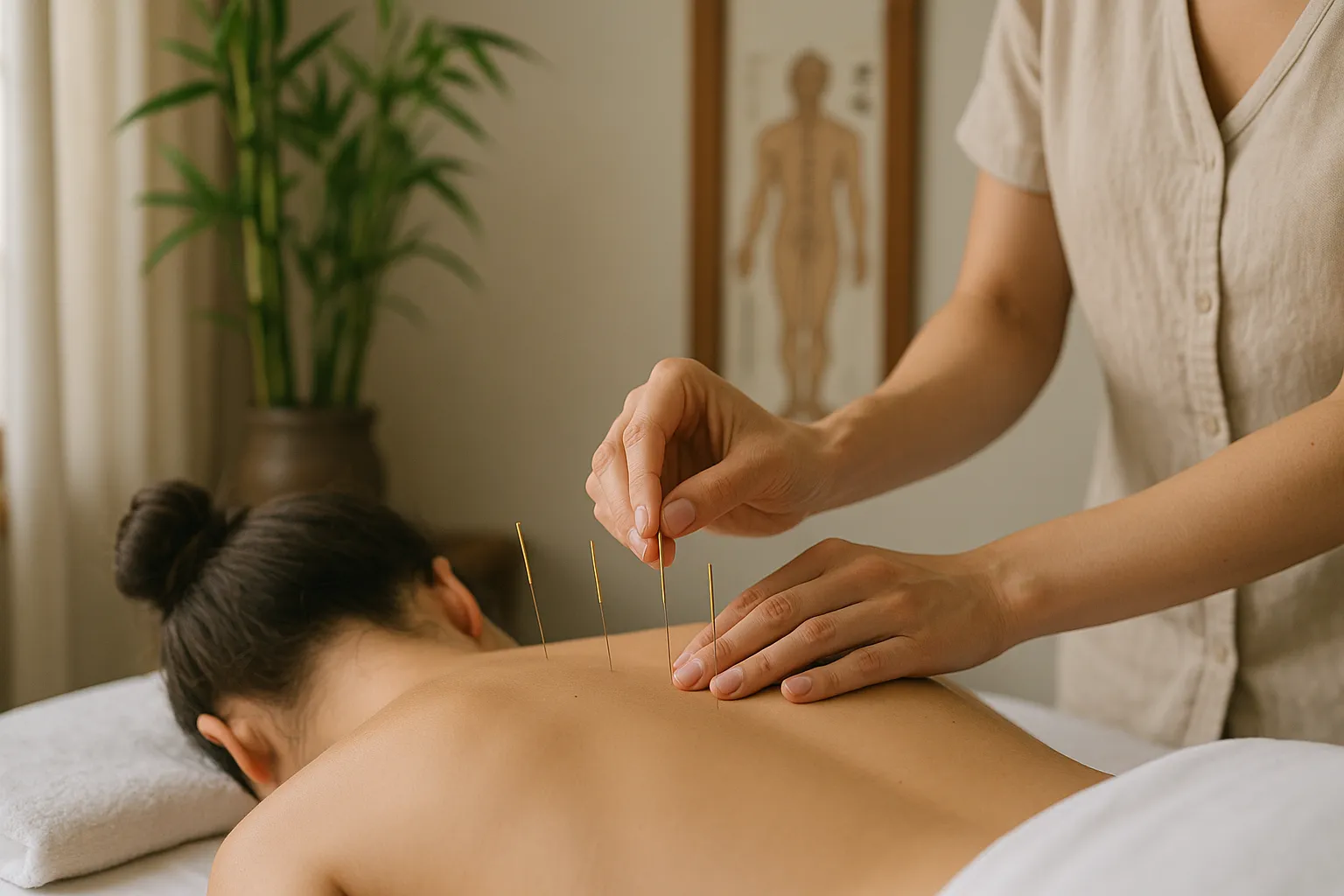
Acupuncture is a technique that involves inserting very thin needles into specific points on the body, known as acupuncture points or acupoints. According to traditional Chinese medicine, these points are located along energy channels called meridians, through which the body’s vital energy, or Qi (pronounced “chee”), flows.
According to Eastern philosophy, when Qi is blocked or imbalanced, diseases and discomforts arise. Acupuncture works to restore the harmonious flow of this energy, promoting the body’s self-healing. While this explanation originates from Eastern philosophical concepts, Western science offers complementary explanations based on neurobiology and physiology.
Studies by the World Health Organization (WHO) indicate that acupuncture stimulates the nervous system, promoting the release of endorphins and other neurotransmitters that relieve pain and provide a sense of well-being. Additionally, the technique improves blood circulation, reduces inflammation, and modulates the immune system, making it a powerful tool for treating various health conditions.
## The Science Behind the Needles: What Research Says
In recent decades, acupuncture has transitioned from being seen solely as an alternative practice to being the subject of rigorous scientific investigations. Renowned institutions like the National Institutes of Health (NIH) in the United States have conducted and funded research on the effects of acupuncture on various medical conditions.
A study published in the journal JAMA demonstrated that acupuncture is effective in treating chronic pain, including back pain, neck pain, and osteoarthritis. The results indicated that patients treated with acupuncture showed significant improvements compared to those who received only conventional treatment.
Another important study revealed that acupuncture can be beneficial in treating migraines and tension headaches. Patients who received regular acupuncture sessions reported a reduction in the frequency and intensity of attacks, as well as a decreased need for medication to control pain.
In the field of mental health, studies show that acupuncture can aid in treating anxiety and mild to moderate depression, acting as a complement to other therapies. Just like art therapy, which uses creativity to process emotions, acupuncture works on the individual’s energetic and emotional balance.
## Key Benefits of Acupuncture for Your Health
### Relief from Chronic Pain
One of the most recognized benefits of acupuncture is its ability to relieve chronic pain. Whether it’s lower back pain, neck pain, fibromyalgia, or arthritis, acupuncture has shown positive results in managing these conditions. The technique works by stimulating the release of endorphins, the body’s natural painkillers, as well as promoting muscle relaxation and reducing inflammation.
### Reduction of Stress and Anxiety
In an increasingly fast-paced world, stress has become a public health issue. Many people show signs that stress is controlling their lives without realizing it. Acupuncture helps regulate the autonomic nervous system, reducing cortisol levels (the stress hormone) and promoting a state of deep relaxation.
By stimulating specific points, acupuncture activates the parasympathetic nervous system, responsible for the body’s rest and recovery functions. This results in reduced anxiety, improved sleep, and a greater sense of calm and emotional balance.
### Improved Sleep Quality
Insomnia and sleep disorders affect millions of people worldwide. Acupuncture has proven effective in treating these problems, helping to regulate circadian cycles and promoting deeper, more restorative sleep. Unlike sleeping pills, which can cause dependency and side effects, acupuncture offers a natural approach with no significant contraindications.
### Strengthening the Immune System
Research indicates that acupuncture can modulate the immune system, increasing the production of defense cells and improving the body’s response to infections. This characteristic makes the technique particularly useful during periods of increased vulnerability, such as seasonal changes or times of intense stress.
### Treatment of Digestive Problems
Acupuncture has also been successfully used in treating various gastrointestinal disorders, including irritable bowel syndrome, nausea, gastroesophageal reflux, and constipation. The technique helps regulate intestinal motility and reduce inflammation of the digestive tract.
## Health Conditions That Can Benefit from Acupuncture
Acupuncture can be applied in treating a wide variety of health conditions. The World Health Organization recognizes more than 100 conditions for which acupuncture can be beneficial, including:
**Musculoskeletal problems:** back pain, neck pain, shoulder pain, knee pain, arthritis, tendinitis, bursitis, sciatica, and fibromyalgia.
**Neurological conditions:** migraines, tension headaches, trigeminal neuralgia, stroke recovery, and peripheral neuropathies.
**Emotional and mental disorders:** anxiety, depression, stress, insomnia, and panic syndrome. When combined with approaches like cognitive-behavioral therapy, the results can be even more significant.
**Respiratory problems:** asthma, bronchitis, allergic rhinitis, and sinusitis.
**Gynecological and obstetric issues:** menstrual cramps, premenstrual syndrome, menopause, infertility, and pregnancy nausea.
**Digestive disorders:** gastritis, irritable bowel syndrome, constipation, and diarrhea.
**Other problems:** tinnitus, vertigo, allergies, chemical dependency, and support during cancer treatments.
## What to Expect in an Acupuncture Session
Many people are curious or even apprehensive about how an acupuncture session works. Understanding the process can help demystify the technique and reduce any apprehensions.
Initially, the acupuncturist conducts a comprehensive assessment, including questions about your medical history, current symptoms, lifestyle habits, and emotional state. In traditional Chinese medicine, aspects such as tongue color and pulse quality are also observed, providing information about the patient’s energetic state.
Based on this assessment, the professional determines which acupuncture points will be stimulated. The needles used are extremely thin, disposable, and sterile, measuring about 0.20 to 0.30 mm in diameter. Insertion is generally painless or causes only a slight momentary discomfort.
After inserting the needles, which typically remain in place for 20 to 40 minutes, the patient remains relaxed, often in a tranquil environment with soft music. Many report feeling sensations of tingling, warmth, or heaviness at the stimulated points, which is considered a positive sign that Qi is being mobilized.
Most people feel deeply relaxed during and after the session, and some even fall asleep during treatment. The effects can be immediate or progressive, depending on the condition being treated and the individual’s response.
## Integrating Acupuncture into Your Holistic Health Plan
Acupuncture works best when integrated into a healthy lifestyle and, when necessary, with other medical treatments. It should not be seen as a substitute for conventional medical treatment but rather as a complementary therapy that can enhance results and promote overall well-being.
To achieve the best results, it is important to:
**Maintain regularity:** Chronic conditions often require multiple sessions. Following the acupuncturist’s recommendations regarding the frequency and duration of treatment is essential.
**Combine with other healthy practices:** A balanced diet, physical exercise, relaxation techniques, and adequate sleep enhance the benefits of acupuncture.
**Communicate with your doctor:** Always inform your doctor about any complementary therapy you are using, ensuring an integrated and safe approach.
**Choose a qualified professional:** Ensure that your acupuncturist is licensed and has the necessary training and experience to provide safe and effective treatment. This will help you achieve the best possible results and ensure your safety during the sessions.
By understanding and integrating acupuncture into your health plan, you can unlock the potential of this ancient practice to support your journey toward optimal health and well-being.