
# 5 Signs Your Anxiety is Crying Out for Help and How to Calm It Today
Anxiety has become an unwelcome companion in the lives of millions of people worldwide. In an increasingly fast-paced environment filled with professional, personal, and social demands, our nervous system often enters a constant state of alert. Although anxiety is a natural response of the body to challenging situations, when it exceeds certain limits, it can seriously compromise our quality of life, relationships, and physical health.
Recognizing the signs that your anxiety is out of control is the first crucial step to regaining control of your emotional well-being. Often, we normalize symptoms that should serve as important alerts that we need to make urgent changes in our habits and lifestyle. This article will help you identify five crucial signs that your anxiety is crying out for help and, more importantly, will present practical, evidence-based strategies to calm it today.
1. Your Body is Constantly in a State of Alert
One of the most evident signs that anxiety has exceeded healthy levels is when your body remains in a constant state of tension. You may notice that your muscles are always tense, especially in the shoulder, neck, and jaw areas. Many people report clenching their teeth unconsciously during the day or waking up with headaches caused by nighttime teeth grinding.
According to the American Psychological Association, when we live in a chronic state of hypervigilance, our sympathetic nervous system remains constantly activated, releasing cortisol and adrenaline disproportionately. This can result in heart palpitations, excessive sweating, tremors, and even digestive problems like irritable bowel syndrome.
Other physical symptoms include shallow and rapid breathing, a feeling of tightness in the chest, dizziness, and constant fatigue. If you find that you rarely manage to completely relax, even during rest periods, your body is signaling that your anxiety needs immediate attention.
How to Calm: 4-7-8 Breathing Technique
One of the most effective and immediate ways to calm the nervous system is through conscious breathing. The 4-7-8 technique, developed by Dr. Andrew Weil, acts as a natural tranquilizer for the nervous system.
Perform it as follows: inhale through your nose counting to 4, hold your breath counting to 7, and exhale completely through your mouth counting to 8. Repeat this cycle four times. This technique activates the parasympathetic nervous system, responsible for the body’s relaxation response. Practice at least three times a day, and whenever you feel the physical symptoms of anxiety intensifying.
2. Your Sleep is Seriously Compromised
The relationship between anxiety and sleep is bidirectional: anxiety impairs sleep, and sleep deprivation intensifies anxiety, creating a vicious cycle that is difficult to break. If you have trouble falling asleep because your mind won’t stop ruminating on worries, wake up frequently during the night, or wake up very early without being able to go back to sleep, your anxiety is crying out for help.
Sleep quality is essential for emotional regulation. During REM sleep, our brain processes emotional experiences and consolidates memories. When this process is interrupted, we become more vulnerable to exaggerated emotional reactions and catastrophic thoughts.
According to research published in Nature, sleep deprivation reduces activity in the prefrontal cortex (the area responsible for rational thinking) and increases the reactivity of the amygdala (the fear center in the brain), making us more prone to anxiety.
How to Calm: Sleep Hygiene and Nighttime Ritual
Establishing a consistent sleep routine is essential. Start by creating a relaxing ritual at least an hour before bed: turn off electronic devices, as blue light suppresses melatonin production; take a warm bath; practice gentle stretching or reading.
Keep the room dark, cool (between 18-20°C is ideal), and quiet. Consider using aromatherapy with lavender or chamomile essential oils, which have scientifically proven calming properties. To learn more about how scents can improve your well-being, check out our article on aromatherapy and quality of life.
If anxious thoughts persist, keep a notebook by the bed to jot down worries. This technique, called “thought dumping,” helps externalize concerns and create mental distance from them.
3. You Frequently Avoid Situations and Commitments
Avoidance is one of the most common defense mechanisms against anxiety, but also one of the most harmful in the long run. If you find yourself canceling social plans, postponing important tasks, avoiding necessary conversations, or refusing professional opportunities out of fear or discomfort, your anxiety is gaining ground in your life.
Initially, avoiding situations that provoke anxiety may bring temporary relief, but this pattern reinforces the belief that you are incapable of handling certain situations. Over time, the circle of avoidance expands, progressively limiting your life and opportunities.
This pattern can significantly affect your professional career. Many people with anxiety avoid taking on challenging projects, speaking in meetings, or seeking promotions. If you identify this pattern impacting your career path, it may be helpful to know the signs that you need professional support to transform your career.
How to Calm: Gradual Exposure and Self-Compassion
The technique of gradual exposure is one of the most effective approaches in cognitive-behavioral therapy for anxiety. Instead of completely avoiding feared situations, you face them progressively and in a controlled manner.
Start by creating a hierarchy of situations that provoke anxiety, ranking them from 1 to 10 in terms of difficulty. Begin with the least threatening situations and gradually move to the more challenging ones. Celebrate each small victory and practice self-compassion when things don’t go as planned.
Remember: growth happens outside the comfort zone, but in a gradual and sustainable way. Don’t push yourself beyond your limits all at once; consistent progress, even if slow, is more valuable than dramatic advances followed by setbacks.
4. Your Thoughts are Stuck in Constant Worry Cycles
Mental rumination is a hallmark of anxiety. If you find that your mind is constantly projecting catastrophic scenarios about the future, replaying conversations and situations from the past in search of errors, or creating endless lists of “what ifs,” your anxiety is dominating your thought processes.
These thought patterns are not only mentally exhausting but also ineffective. Research shows that more than 85% of the things we worry about never happen, and of those that do, about 80% are handled better than anticipated.
Rumination also makes it difficult to concentrate on present tasks, impairs decision-making, and can lead to analysis paralysis, where we think so much about something that we become unable to act.
How to Calm: Grounding Technique and Mindfulness
When you notice you’re stuck in cycles of anxious thoughts, practice the 5-4-3-2-1 grounding technique. This technique uses the five senses to bring your attention back to the present moment:
– Identify 5 things you can see
– Identify 4 things you can touch
– Identify 3 things you can hear
– Identify 2 things you can smell
– Identify 1 thing you can taste
This simple practice interrupts the rumination cycle and reconnects you with the here and now. Regular mindfulness practice, even just 10 minutes a day, can restructure your brain, strengthening areas associated with emotional regulation and weakening habitual worry patterns.
Apps like Headspace, Calm, or Insight Timer offer free guided meditations that can help establish a consistent practice.
5. Your Physical Well-Being is Declining
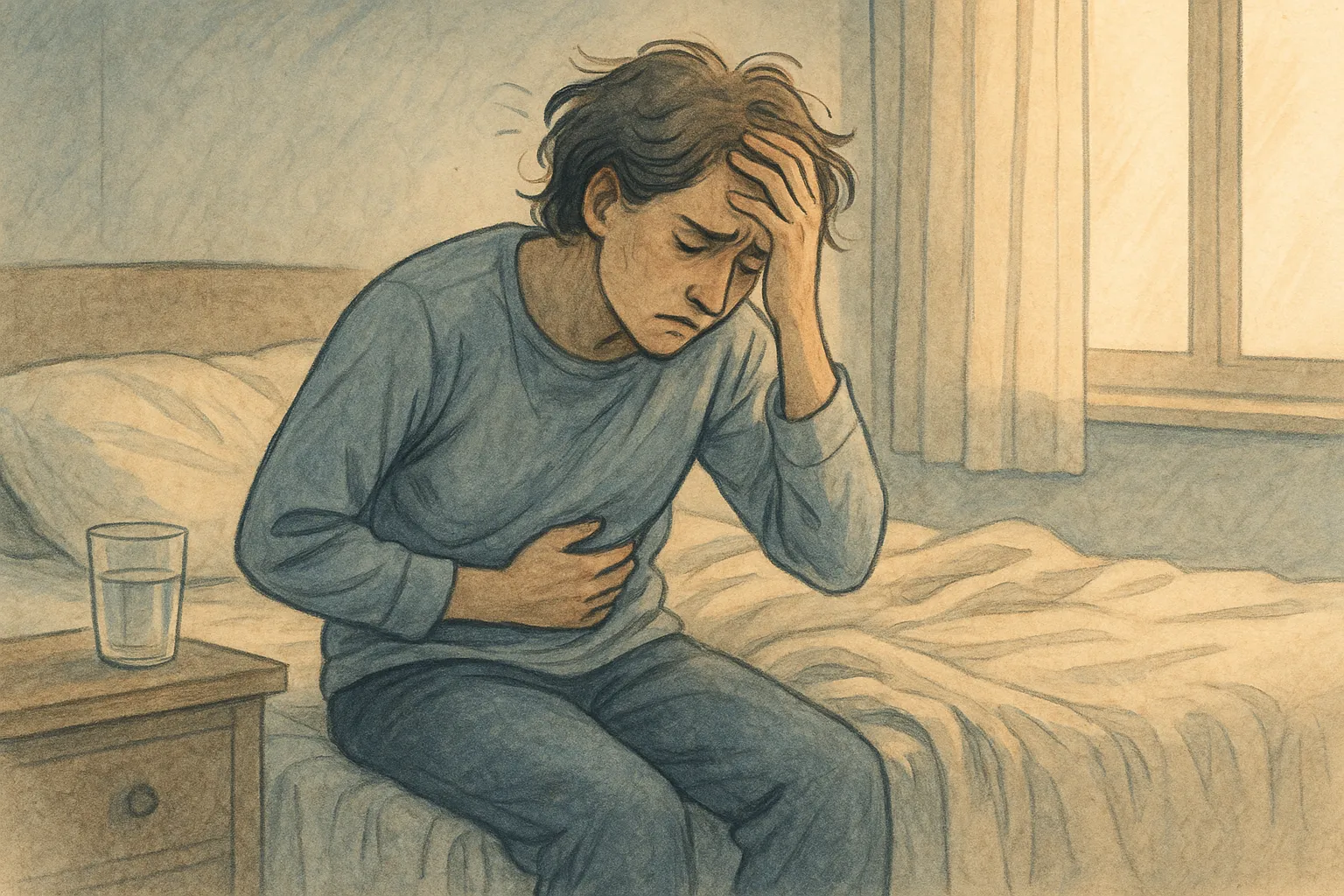
When anxiety becomes chronic, it not only affects our mental health but also significantly compromises our physical health. If you notice that you are getting sick more often, have unintentionally gained or lost weight, develop recurring digestive problems, or experience chronic pain without an apparent medical cause, anxiety may be manifesting through the body.
Chronic stress weakens the immune system, increases inflammation in the body, raises blood pressure, and contributes to cardiovascular problems. Many people with anxiety also neglect basic self-care: skip meals, resort to ultra-processed foods, abandon physical exercise, and increase the consumption of substances like caffeine, alcohol, or tobacco in an attempt to regulate emotions.
According to the World Health Organization, there is an undeniable connection between mental and physical health, and treating one dimension without addressing the other rarely brings lasting results.