
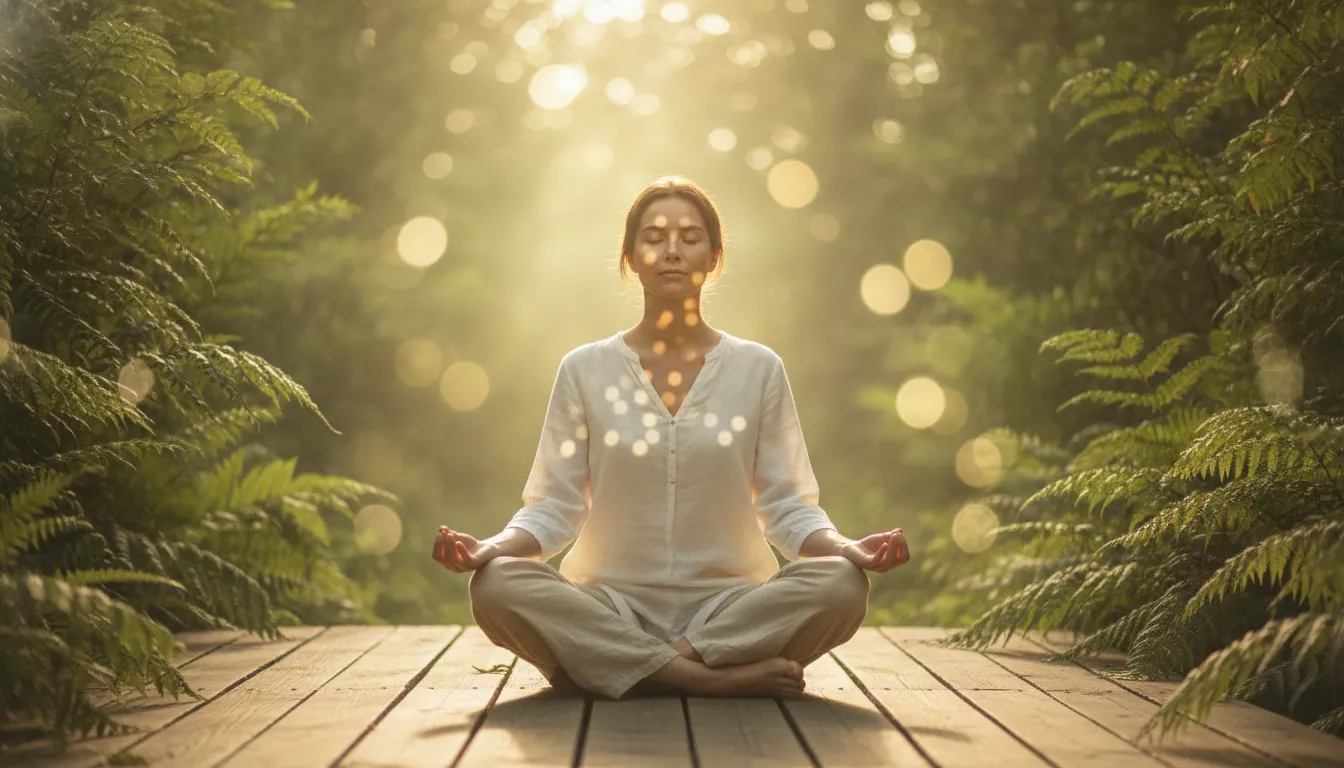
Beginner’s Guide to Meditation: Step-by-Step Instructions
Have you ever felt like your mind won’t stop, thoughts piling up like open tabs in a browser, making it seem impossible to simply relax? This feeling is extremely common, and many people turn to meditation for this very reason. The good news is that meditating doesn’t require special talent, perfect silence, or hours of free time. It primarily requires the willingness to start—and patience with yourself.
Meditation is an ancient practice found in various cultures worldwide, and in recent decades it has gained increasing attention from science. Studies published in specialized journals suggest that regular meditation practices can help reduce perceived stress, improve sleep quality, and enhance overall well-being. The World Health Organization (WHO) acknowledges that complementary practices for promoting mental health, such as meditation, deserve attention and can be part of a healthy lifestyle—always as a complement, never a substitute, for professional care.
This guide is designed especially for those starting now, in 2026, in a world that still moves at a fast pace. Here you’ll find practical, honest, and accessible guidance to take your first steps. No step is too difficult—and no mistake is a reason to give up.
What Meditation Is (and What It Isn’t)
There’s a widespread idea that meditating means “emptying the mind” completely. This view often deters many people before they even begin. The reality is quite different.
Meditation is the training of attention. It is the practice of observing your own thoughts, sensations, and emotions without getting lost in them—as if you were the sky and thoughts were passing clouds. The mind will wander. That’s normal. The gentle return to focus is, in fact, the exercise.
There are many forms of meditation:
- Mindfulness: focusing on the present moment, usually on the breath or bodily sensations.
- Guided meditation: led by a voice (live or recorded), especially useful for beginners.
- Loving-kindness meditation: cultivating feelings of compassion for yourself and others.
- Body scan meditation: progressively directing attention to each part of the body.
- Movement meditation: like tai chi and certain forms of yoga, which integrate conscious movement.
There is no “right” modality for everyone. The most important thing is to find the one you feel most comfortable with to create a consistent practice.
Why Consider Meditation
Studies suggest that regular meditation practice can be associated with benefits such as:
- Reduction in perceived stress and everyday anxiety
- Improved sleep quality
- Increased concentration ability
- Greater self-awareness and emotional regulation
- Overall enhanced well-being
It’s important to be honest: science is still exploring many of these effects, and results vary among individuals. Meditation is not a cure for mental or physical health conditions and does not replace medical or psychological care. It can be a valuable self-care tool—a piece within a larger mosaic of healthy habits.
If you face intense anxiety, depression, or other mental health challenges, talk to a psychologist or psychiatrist before starting or during the practice. In some cases, certain meditation techniques may bring up difficult emotions, and having professional support makes all the difference.
Before You Start: Preparing the Ground
You don’t need expensive equipment, a special altar, or a paid app to meditate. But some simple preparations make the experience more enjoyable:
Choose a quiet place. It doesn’t need to be absolutely silent—background sounds are normal. Just try to minimize interruptions.
Set a time. Many people prefer to meditate early in the morning, before the day begins, or at night as a way to unwind. The best time is the one that fits sustainably into your routine.
Wear comfortable clothes. Be at ease. There’s no need for specific postures—sitting in a chair with a straight back works just fine.
Inform those you live with. Five or ten minutes without interruptions make a difference. A simple heads-up usually solves it.
Start small. Five minutes a day is a real and valid beginning. Consistency matters more than duration.
Step-by-Step: Your First Meditation
Below is a simple script for a breath-focused mindfulness meditation, suitable for beginners:
- Find a comfortable position. Sit in a chair with your feet on the ground, or on the floor with crossed legs. Keep your back straight but not rigid. Rest your hands on your knees or lap.
- Gently close your eyes—or, if you prefer, keep a soft gaze directed at the ground in front of you.
- Take three deep breaths. Inhale through your nose, feel the air enter, exhale slowly through your mouth. This helps signal the nervous system that it’s time to slow down.
- Return to natural breathing. Don’t try to control the rhythm. Just observe: the air entering and leaving through the nostrils, the movement of the chest or belly.
- Choose an anchor point. It can be the sensation of air in the nostrils, the movement of the abdomen, or the sound of your own breath. This will be your “port” throughout the meditation.
- Notice when the mind wanders—and return. The mind will get distracted by thoughts, sounds, plans, memories. This is absolutely normal and part of the process. When you notice, gently bring your attention back to the anchor point. No judgments, no frustration.
- Continue for 5 to 10 minutes. When you want to finish, slowly open your eyes, stretch your body, and reorient yourself to the environment around you before getting up.
> Remember: there is no “wrong” meditation. If you got distracted ten times and returned ten times, you practiced ten times. That’s exactly how it works.
Tips for Maintaining the Practice
The biggest challenge for most beginners is not the technique—it’s consistency. Some strategies that often help:
- Link meditation to an existing habit. Right after brushing your teeth, before breakfast, after waking up. Associating it with an already established ritual makes it easier to create the new habit.
- Use apps or guided audios. For beginners, having a voice guiding the session is often very helpful. There are free options available in Portuguese on streaming platforms and YouTube.
- Track your practice. A simple “✓” on a calendar already creates visual motivation to maintain the sequence.
- Don’t seek perfection. A busy day is a busy day—and meditating on a busy day can be even more valuable. Accept it as it comes.
- Combine with other well-being habits. Practices like daily gratitude also contribute to a more balanced and intentional routine.
Common Challenges—and How to Face Them
| Challenge | What Usually Helps |
|---|---|
| “I can’t stop thinking” | Remember: the goal is not to empty the mind, but to observe thoughts without getting lost in them. |
| “I feel sleepy” | Try meditating seated, with a straight back, or at a different time of day. |
| “Five minutes feels like an eternity” | Use a timer and start with two or three minutes. Gradually increase. |
| “I don’t feel anything special” | Subtle effects often appear over time. Benefits generally accumulate with regular practice. |
| “I forgot to do it today” | That’s okay. Restarting is always possible—without guilt. |
When to Seek a Health Professional
Meditation is an accessible self-care practice, but there are situations where professional support is crucial—and seeking it is an act of care, not weakness.
Consider talking to a psychologist, psychiatrist, or doctor if:
- You experience anxiety, persistent sadness, or intense stress that affects your routine
- Meditation provokes significant emotional discomfort, disturbing thoughts, or a sense of dissociation
- You seek meditation as a way to cope with intense psychological distress without professional support
- You have questions about whether the practice is suitable for any health condition you already have
Caring for mental health is as important as caring for the body. If you’re going through a very difficult time, know that help exists. In Brazil, the CVV (Centro de Valorização da Vida) is available at 188, a free call, 24 hours a day. In emergencies, seek medical attention or call SAMU (192).
Conclusion
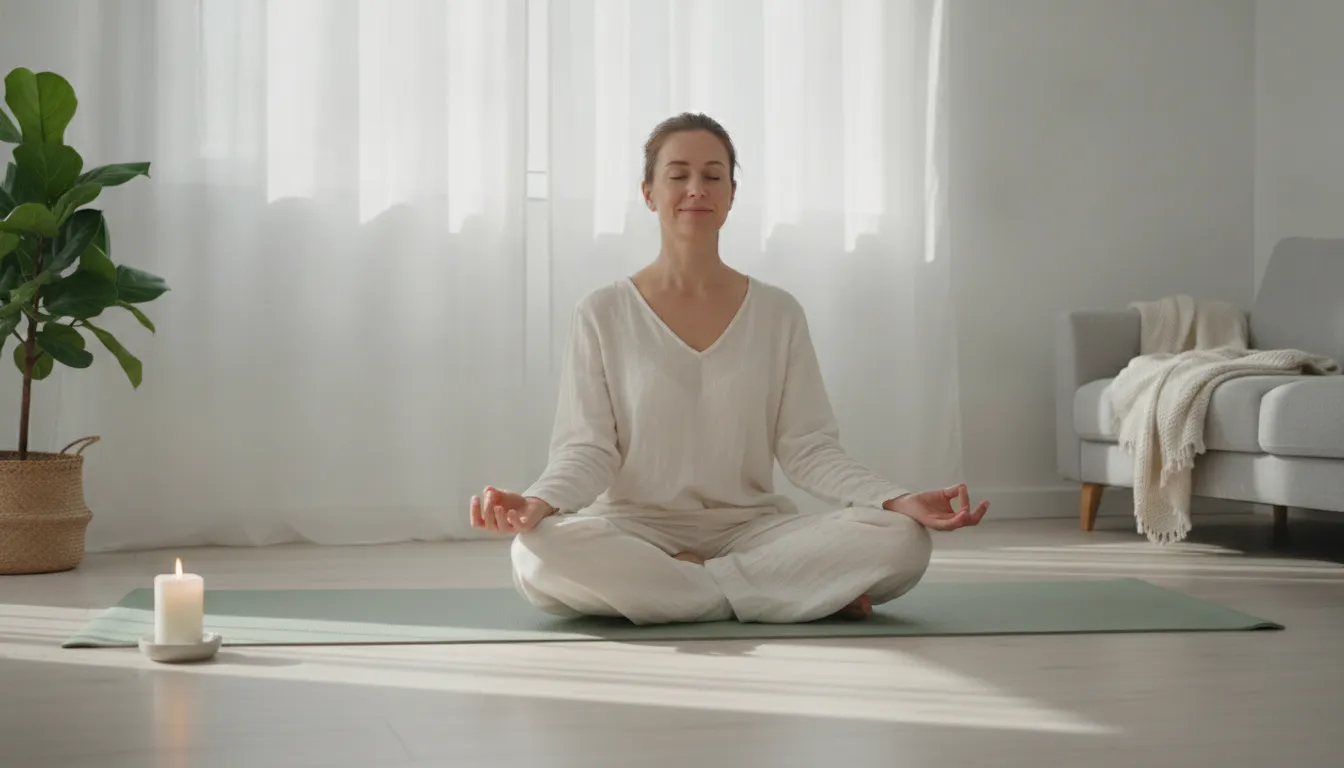
Starting to meditate is, above all, an invitation to meet yourself. It doesn’t require perfect conditions, available hours, or a quiet mind. It only requires that you show up—for five minutes, with curiosity and kindness towards yourself.
The practice may feel strange at first. The mind will wander, the body will fidget, time will drag. And yet, with consistency, many people report that meditation becomes one of the most valuable moments of the day—a space that belongs only to them.
Take the first step today. Breathe. Observe. Return. That’s already meditating.
This content is informative and educational and does not replace evaluation, diagnosis, or treatment by a qualified health professional. Each person has individual needs—consult a doctor, psychologist, or other health professional for personalized guidance.