
Introduction
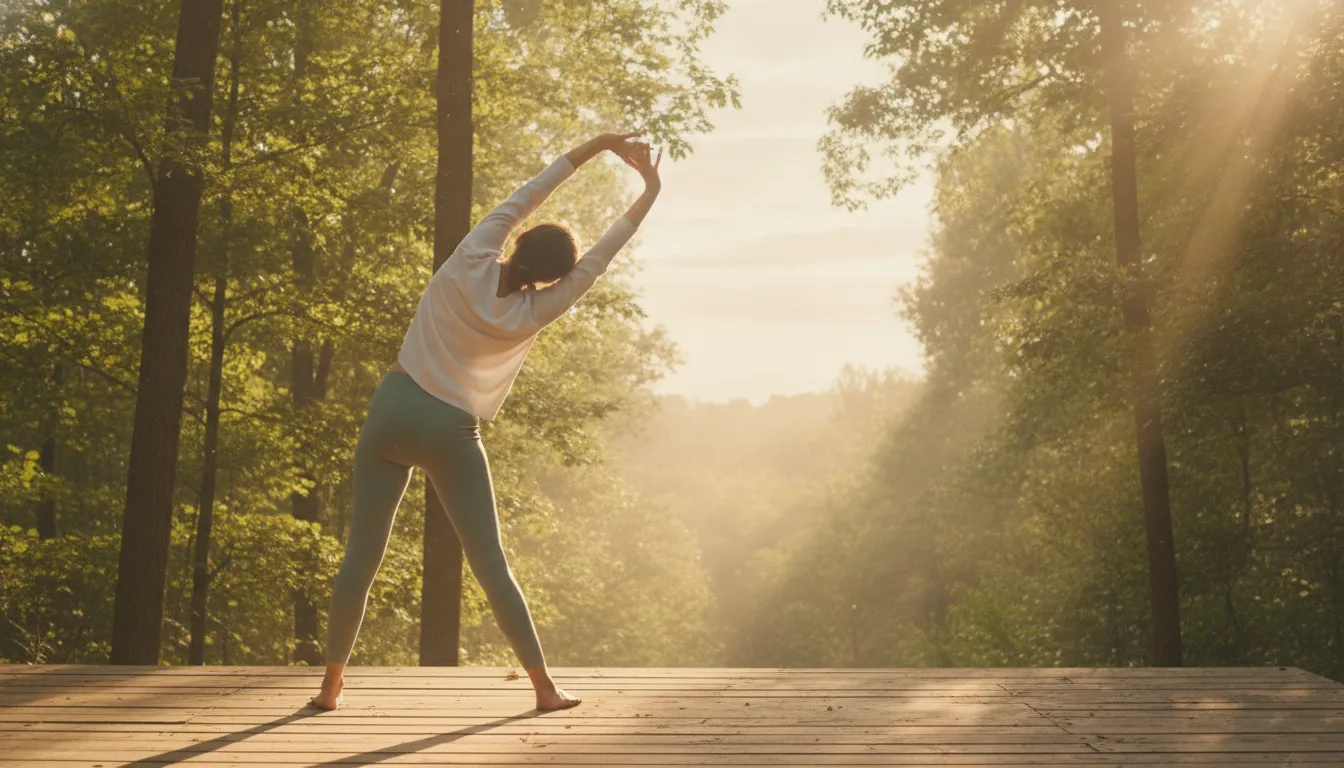
Have you ever woken up in the morning feeling stiff, as if your joints need a little push to start working? Or spent hours in front of a screen only to find that your shoulders are as tight as rocks when you try to move? This experience is more common than it seems — and that’s exactly where stretching comes in as a simple, accessible ally with growing scientific support.
The habit of stretching daily isn’t new: cultures around the world have practiced forms of mindful movement for centuries, from Indian yoga to Eastern martial arts. What has changed, especially in recent years, is the volume of research investigating the effects of these practices on physical and mental health more rigorously. In 2026, with increasingly sedentary lifestyles and the debate on holistic well-being at the forefront of public health discussions, understanding why intentional body movement matters has become even more relevant.
In this article, you’ll find an evidence-based overview of the benefits of daily stretching — for muscles, joints, posture, and, surprisingly, also for the mind and mood. Always remember: this content is educational and general. Everyone has a unique story, body, and needs, and professional health guidance is irreplaceable for individual advice.
What Happens in Your Body When You Stretch
To understand why stretching is beneficial, it helps to know a bit about what happens behind the scenes.
When we stay in the same position for too long — sitting, standing still, or lying down improperly — muscles tend to shorten and tense up. This occurs because muscle fibers adapt to the length at which they are most frequently held. Over time, this adaptation can reduce joint range of motion and contribute to daily discomforts.
Stretching generally works to reverse this process. Studies suggest that regular practice often contributes to:
- Increased flexibility and joint range of motion, making everyday activities like squatting, twisting the torso, or reaching for high shelves easier.
- Reduction of muscle tension, especially in areas commonly affected by poor posture, such as the neck, shoulders, and lower back.
- Improved local blood circulation, as muscle movement can promote blood flow to tissues.
- Contribution to body posture, by working muscle groups that tend to shorten with a sedentary lifestyle.
It’s important to note: these effects vary greatly from person to person, and the intensity and frequency of practice influence the results. There is no magic formula or guaranteed timeline.
Stretching and Mental Health: A Deeper Connection Than It Seems
The relationship between movement and psychological well-being is increasingly being investigated by science. Research in neuroscience and exercise psychology suggests that practices combining mindful movement, breathing, and body awareness — like stretching — can contribute to nervous system regulation.
One of the most studied hypotheses involves the activation of the parasympathetic nervous system, responsible for the “rest and digest” state, as opposed to the stress response. Slow movements, accompanied by controlled breathing, often favor this transition, which can help reduce the subjective feeling of anxiety and tension.
Moreover, the simple act of pausing the routine to dedicate a few minutes to your body has both symbolic and real effects: it’s a form of self-care — a gesture of presence and attention to oneself, which studies in positive psychology associate with greater emotional well-being over time.
This doesn’t mean that stretching replaces treatment for anxiety, depression, or any other mental health condition. If you’re experiencing intense emotional distress, seeking support from a psychologist or psychiatrist is crucial. In case of crisis, the CVV is available 24 hours at number 188, with free calls throughout Brazil.
Types of Stretching: Understanding the Differences
Not all stretching is the same. Knowing the main types can help you choose what makes the most sense for each time of day:
- Static Stretching: This is the most traditional. It involves reaching a position of gentle muscle tension and holding it for a period (usually between 20 and 60 seconds). It is often recommended after physical activities when muscles are already warm. Studies suggest it can contribute to increased flexibility over time.
- Dynamic Stretching: Involves controlled movements that take joints through their full range actively. It is often used as a warm-up before physical exercises, as it can prepare muscles and joints for effort without temporarily reducing muscle strength, as some studies indicate intense static stretching might do if performed before a workout.
- Active-Assisted Stretching: Performed with the help of a professional (such as a physiotherapist) or accessories (bands, towels). It is usually recommended in rehabilitation contexts or for people with reduced mobility.
- Practices Incorporating Stretching: Yoga, pilates, tai chi, and qigong are examples of modalities that integrate stretching, strengthening, and breathing in a structured way. All have growing evidence of benefits for physical and mental health, although the level of evidence varies among practices and studied outcomes.
How to Create a Simple Daily Stretching Routine
The good news is that you don’t need expensive equipment or free hours to start. A basic and consistent routine often brings noticeable benefits.
Here’s a step-by-step guide for those who want to start:
- Choose a fixed time. Many people prefer the morning, upon waking, or at night, before sleeping. What matters is regularity, not the perfect time.
- Start slowly. Five to ten minutes are enough for beginners. Over time, you can increase as you feel comfortable.
- Respect your limits. Stretching should cause a feeling of gentle tension, never sharp pain. If you feel pain, stop immediately.
- Breathe consciously. Inhale before starting the movement and exhale as you gently deepen the stretch. Breathing helps relax muscles and makes the practice more effective.
- Prioritize tense areas. For those who spend a lot of time sitting, the neck, shoulders, lower back, hips, and calves often deserve special attention.
- Be consistent, not perfect. A five-minute routine every day tends to be more beneficial than an intense session once a week.
- Consider professional guidance. A physiotherapist, physical educator, or yoga professional can help you create a routine suited to your specific needs.
Stretching, Posture, and the Challenge of Remote Work
In 2026, hybrid and remote work is still a reality for millions of Brazilians. Hours in front of computers, video conference meetings, and intense use of cell phones have created a conducive scenario for what health professionals call “forward head posture syndrome” — rounded shoulders, head projected forward, and excessive spinal curvature.
Regular stretching is not a sole solution to this problem, but it often contributes as part of a broader approach that includes ergonomic adjustments in the workspace, active breaks throughout the day, and, when necessary, physiotherapeutic support.
A simple practice that many health professionals recommend: every hour of sitting work, take a two to three-minute break to move, stretch the neck, open the chest, and walk briefly. This habit, modest as it may seem, can make a difference in daily comfort.
When to Seek a Health Professional
Stretching is generally a safe practice for most healthy individuals. However, there are situations where it is essential to seek medical or health professional guidance before starting or modifying any movement routine:
- If you have a diagnosis of muscle injuries, tendinitis, arthritis, osteoporosis, or any chronic condition affecting joints or muscles.
- If you experience sharp pain, tingling, muscle weakness, or any unusual symptoms during or after stretching.
- If you are in post-surgical or post-injury rehabilitation.
- If you are pregnant, elderly, or have reduced mobility.
- If you are unsure about which type of stretching is most suitable for your condition.
Physiotherapists and physical educators are qualified professionals to guide practice safely and personally. Do not hesitate to seek them out.
Conclusion
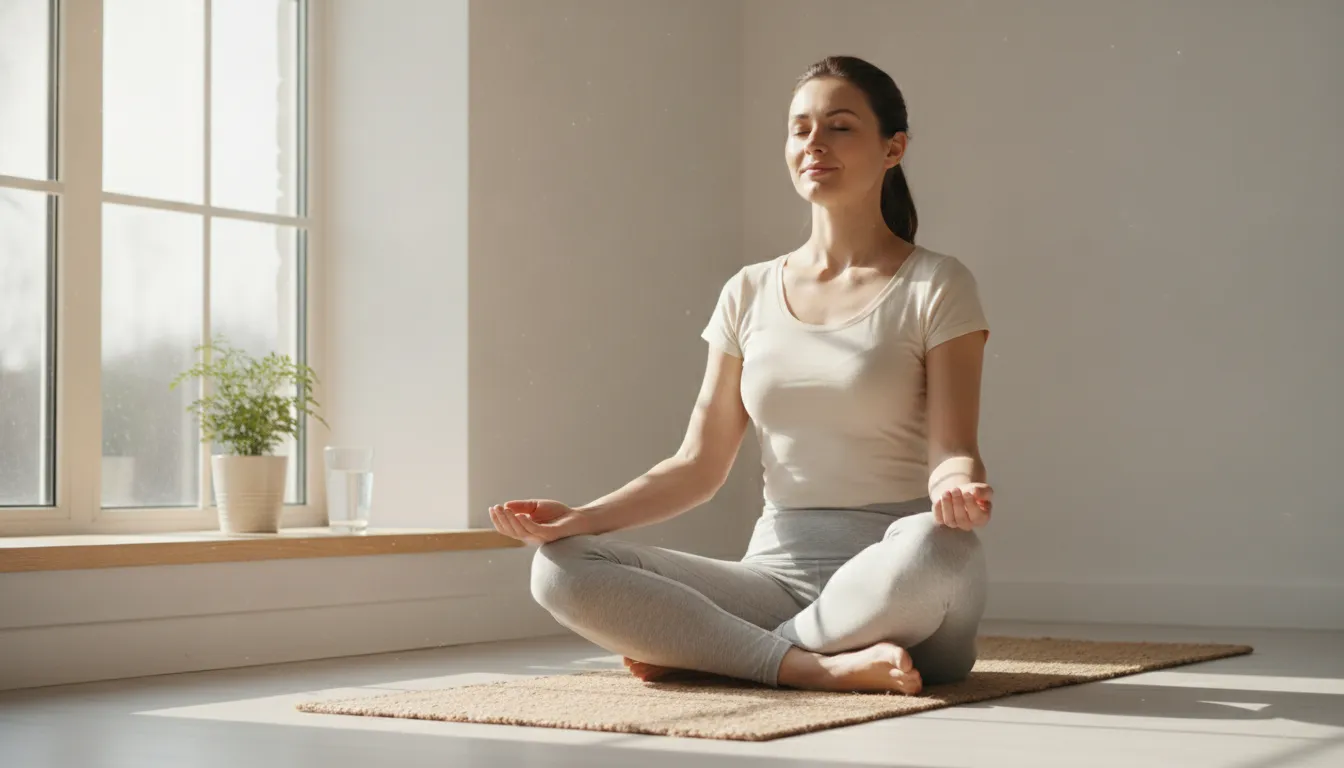
Stretching the body daily is a small gesture with the potential for significant impact. It doesn’t have to be long, it doesn’t have to be perfect, and it doesn’t require any special equipment — just willingness, consistency, and attention to your own body. Whether to start the day with more lightness, decompress after hours of work, or prepare the body for a good night’s sleep, daily stretching can be an accessible gateway to more comprehensive self-care.
If you don’t have this habit yet, why not start today with five minutes? And if you already practice, why not deepen the experience with the help of a professional? Taking care of the body is also a way of taking care of the mind — and vice versa.
To explore more about how small daily habits can transform your quality of life, check out our article on self-care: what it is and how to start practicing.
This content is informative and educational, produced by health and wellness writers, and does not replace evaluation, diagnosis, or treatment by a qualified health professional. Always consult a doctor, physiotherapist, or other qualified professional before starting, modifying, or stopping any practice related to your health.