
How to Create a Healthy Plate Daily
Have you ever stood in front of the stove or at a buffet, unsure of what to put on your plate? This feeling is more common than it seems. In a world full of food trends, fad diets, and contradictory information on social media, deciding what to eat can seem complicated — but the good news is that the principles of balanced eating are, in essence, simpler than they often appear.
Healthy eating doesn’t have to be restrictive, expensive, or elaborate. It can — and should — fit into the real routines of people, with their tight schedules, varied budgets, and cultural preferences. The goal isn’t perfection with every bite, but to build an eating pattern that, over time, contributes to physical and mental well-being. Studies published by organizations like the World Health Organization (WHO) and Brazil’s Ministry of Health reinforce that consistent food choices make a difference in quality of life.
In this article, you’ll find general evidence-based guidelines to help you create a more balanced plate in everyday life. Remember: this content is educational and does not replace individual assessment by a nutritionist or other health professional. Each person has unique needs, and a qualified professional is best suited for personalized guidance.
What is a Healthy Plate, Anyway?
Before talking about proportions and foods, it’s useful to understand the concept behind the idea. A healthy plate is not synonymous with a tasteless, carb-free, or joyless plate. According to the Food Guide for the Brazilian Population, published by the Ministry of Health, an adequate diet is one that considers not only nutrients but also culture, pleasure, social context, and sustainability.
The guide recommends that the basis of the diet be formed by natural or minimally processed foods — such as fruits, vegetables, greens, beans, rice, eggs, meats, fish, and milk. These foods provide a variety of essential nutrients without the excess sodium, fats, and additives often present in ultra-processed foods.
There is no single “perfect” plate valid for everyone, but there are principles that nutritional science has consistently reinforced over the years.
The Logic of Proportions: A Visual Guide
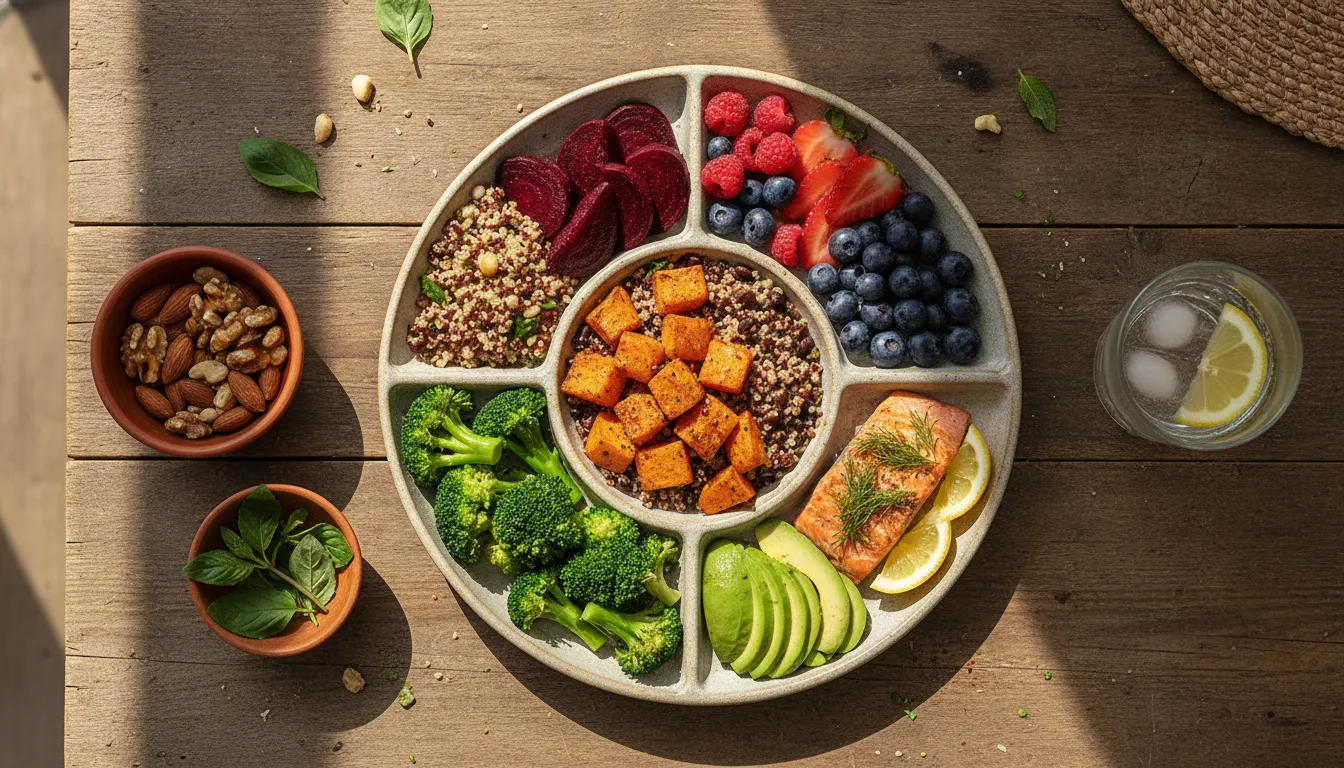
One of the most educational tools for creating a balanced plate is the so-called “plate method”, based on concepts widely used by health professionals and referenced in dietary guidelines from various countries. The idea is to visually divide the plate into groups:
| Part of the Plate | What to Include |
|---|---|
| Half | Varied vegetables and greens |
| One Quarter | Carbohydrates (rice, potatoes, cassava, pasta) |
| One Quarter | Proteins (beans, lentils, chicken, fish, eggs, tofu) |
| Complement | A small portion of healthy fat (olive oil, avocado) |
This model is a starting point, not a rigid rule. The goal is to encourage a focus on balance and variety, not to create anxiety around food.
Half the Plate: The Power of Vegetables
Filling half the plate with vegetables and greens is one of the most consistent recommendations in the scientific literature on healthy eating. These foods are sources of fiber, vitamins, minerals, and bioactive compounds that studies suggest are associated with benefits for cardiovascular, digestive, and immune health.
But it doesn’t have to be salad every day. Vegetables can appear in many forms:
- Sautéed at lunch (kale, broccoli, zucchini)
- Roasted in the oven (carrots, beets, eggplant)
- In soups and stews at dinner
- Raw as an appetizer or snack
- Mixed in omelets or tapiocas
The variety of colors on the plate is a practical indicator of nutritional diversity. Each color is often associated with different groups of beneficial compounds for the body. To learn more about what science says about the benefits of fruits and vegetables, check out this article: Why Fruits and Vegetables Are Good for Health.
Carbohydrates and Proteins: Neither Villains nor Heroes
Carbohydrates and proteins often cause confusion in food conversations. The reality is that both are essential for the body’s functioning.
Carbohydrates: Choose with Variety
Rice, potatoes, cassava, yams, pasta, bread — all are sources of carbohydrates that are part of Brazilian food culture. The issue is not to eliminate but to vary and prefer less processed versions when possible.
- Whole grain rice, oats, and sweet potatoes are examples that provide more fiber
- Cassava and yams are nutritious and accessible regional options
- Bread and pasta can be part of the diet without guilt, within a balanced context
Proteins: Diversify the Sources
Proteins are essential for building and maintaining body tissues. Good sources include:
- Legumes: beans, lentils, chickpeas, peas (affordable and nutritious)
- Meats and fish: preferably in preparations with less added fat
- Eggs: versatile and highly nutritious
- Dairy: milk, yogurt, and cheeses (especially less salty ones)
- Plant proteins: tofu, tempeh, and other options gaining popularity
The combination of rice and beans, a classic of Brazilian cuisine, is recognized as nutritionally balanced — evidence that traditional food often carries nutritional wisdom.
Fats: Necessary and Welcome
For many years, fats were portrayed as health enemies, but science has evolved in this understanding. Today, it is known that the type of fat matters more than the isolated quantity.
- Unsaturated fats (found in olive oil, avocado, nuts, and seeds) are often associated with positive effects on cardiovascular health in observational studies
- Saturated fats (in fatty meats, butter, and yellow cheeses) can be consumed in moderation within a balanced diet
- Industrial trans fats (present in many ultra-processed foods) are most consistently associated with health risks — and should be avoided
Adding a drizzle of olive oil, some seeds, or a slice of avocado to the plate can be a simple way to include good quality fats.
Ultra-Processed Foods: What the Evidence Says
Ultra-processed foods — like filled cookies, processed meats, sodas, snacks, and fast food — are industrially formulated with ingredients that rarely appear in home kitchens: syrups, flavorings, colorings, thickeners, and preservatives in specific combinations.
Research published in peer-reviewed scientific journals has suggested associations between high consumption of ultra-processed foods and a higher risk of chronic conditions, although the mechanisms are still being studied. The Food Guide for the Brazilian Population clearly recommends that these foods be avoided as the basis of the diet.
This doesn’t mean that eating an occasional snack is harmful. The eating pattern over time is what matters most — not an isolated food on a specific day.
When to Consult a Health Professional
Although the general guidelines in this article are evidence-based and valid for most healthy people, there are situations where individualized guidance from a professional is essential:
- If you have a diagnosed health condition (diabetes, kidney disease, cardiovascular diseases, among others)
- If you find it difficult to maintain a balanced diet due to emotional issues, such as anxiety about food or eating behaviors that cause distress
- If you are in specific life stages, such as pregnancy, breastfeeding, childhood, or aging
- If you take medications that may interact with foods
- If you are unsure about your individual nutritional needs
The nutritionist is the professional qualified to develop a personalized eating plan. In cases where the relationship with food involves significant emotional distress, the support of a psychologist can also be very beneficial.
Small Changes That Make a Difference in Daily Life
Creating a healthy plate every day doesn’t require a radical transformation. Small and sustainable changes tend to work better in the long run than large restrictions followed by relapses. Here are some practical ideas:
- Start with vegetables: when serving yourself, put the vegetables and greens on the plate first, before other foods
- Vary one thing per week: try a different vegetable or legume each week
- Cook at home more often: this usually results in meals with less sodium and fat than industrial options
- Drink water throughout the day: hydration is an essential part of a balanced diet
- Eat mindfully: turning off screens during meals and eating slowly can help better perceive satiety
- Plan the week: having washed vegetables, cooked beans, or boiled eggs in the fridge makes daily choices much easier
Conclusion
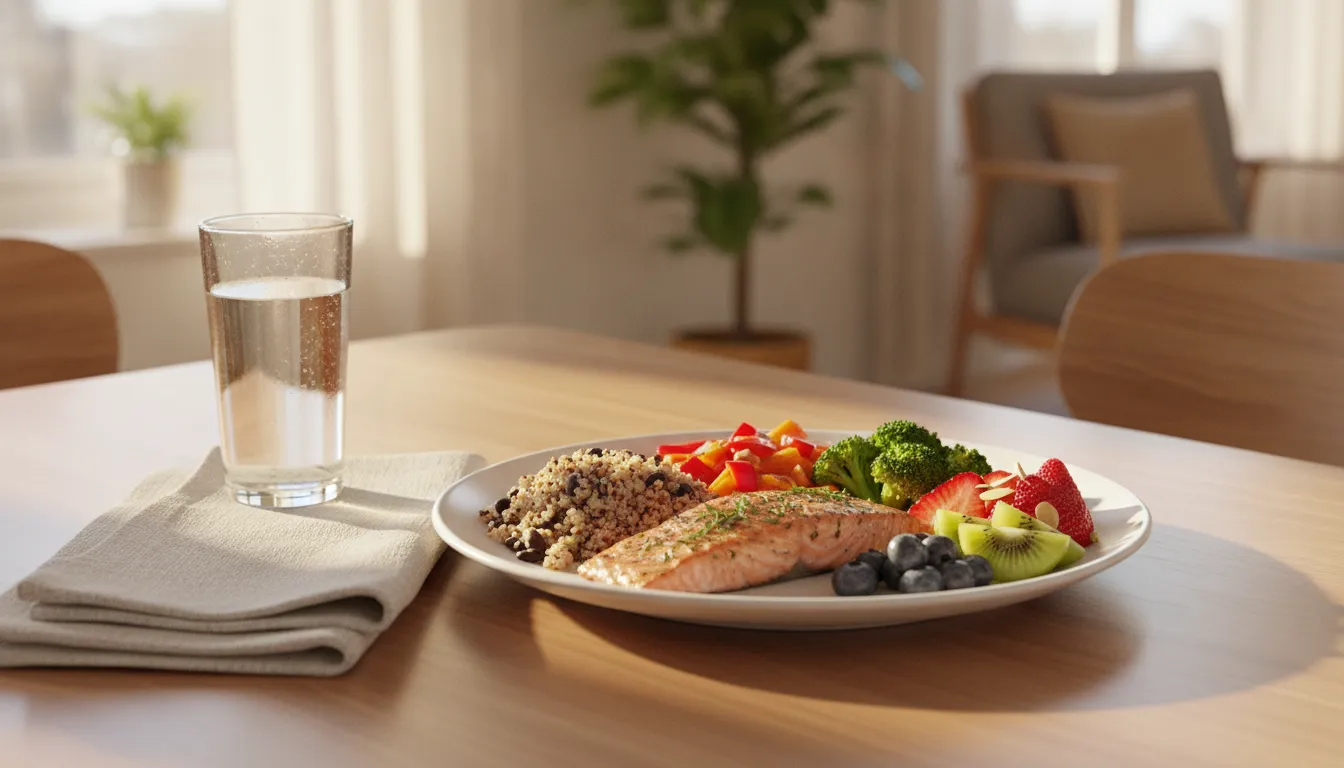
Creating a healthy plate is not about following rigid rules or giving up what you love. It’s about cultivating, over time, a more conscious and balanced relationship with food — respecting your culture, routine, and pleasure at the table.
Science points the way, and the Food Guide for the Brazilian Population offers a solid and accessible foundation for anyone. But remember: you don’t need to do everything at once, nor be perfect. Each more balanced choice is a valid step.
If you want to deepen your knowledge of healthy eating, this article can help: Why Fruits and Vegetables Are Good for Health.
Take care with affection — and whenever you have doubts about your specific health, consult a professional.
This content is informative and educational, based on reliable sources, and does not replace the evaluation of a health professional. Each person has unique individual needs. For specific guidance on diet and health, consult a nutritionist, doctor, or other qualified professional.