
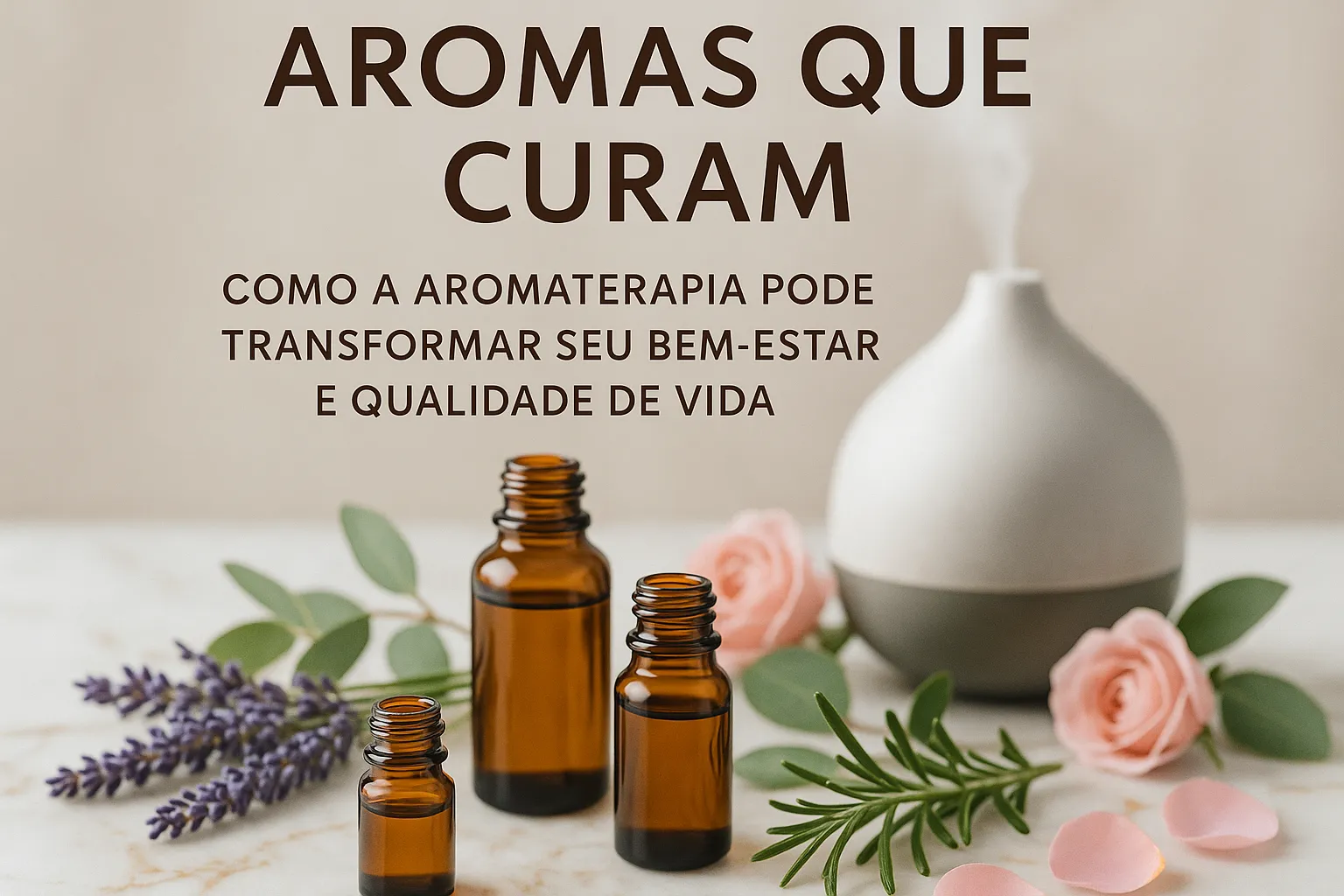
# Healing Scents: How Aromatherapy Can Enhance Your Well-Being and Quality of Life
Aromatherapy is an ancient practice that uses essential oils extracted from plants to promote physical, mental, and emotional health. Over the centuries, this complementary therapy has gained more and more followers worldwide, offering a natural and holistic approach to well-being. More than just pleasant aromas, essential oils have scientifically proven therapeutic properties that can help treat various conditions, from anxiety and insomnia to chronic pain and respiratory problems.
In this article, we will delve into how aromatherapy works, its main benefits, and how you can incorporate it into your routine to significantly and enduringly transform your quality of life.
## What is Aromatherapy and How Does It Work?
Aromatherapy is a complementary therapy that uses volatile aromatic compounds extracted from medicinal plants, known as essential oils, to promote body and mind balance. These oils are obtained through processes like steam distillation, cold pressing, or solvent extraction, concentrating the plants’ therapeutic properties in their most potent form.
When we inhale the aromas of essential oils, the aromatic molecules enter through the olfactory system and reach the olfactory bulb, which is directly connected to the brain’s limbic system. The limbic system is responsible for regulating emotions, memories, behavior, and even physiological functions like blood pressure, breathing, heart rate, and hormone levels. This is why certain aromas can trigger vivid memories or instantly alter our emotional state.
Besides inhalation, essential oils can also be absorbed through the skin via massages, compresses, or therapeutic baths. Once absorbed, the active components enter the bloodstream and can exert therapeutic effects throughout the body. According to the National Association for Holistic Aromatherapy, aromatherapy should be practiced with adequate knowledge of each oil’s properties and contraindications.
## Main Health Benefits of Aromatherapy
Aromatherapy offers a wide range of benefits that go beyond relaxation. Various scientific studies have demonstrated the effectiveness of essential oils in treating several health conditions:
**Stress and Anxiety Reduction**: Oils like lavender, chamomile, and bergamot have proven calming properties that help reduce cortisol levels, the stress hormone. Research published in scientific journals shows that inhaling lavender can significantly reduce anxiety in stressful situations.
**Improved Sleep Quality**: Insomnia and other sleep disorders affect millions of people. Essential oils like lavender, sandalwood, and ylang-ylang promote deep relaxation and facilitate natural sleep without the side effects of traditional medications.
**Pain and Inflammation Relief**: Oils like eucalyptus, peppermint, and rosemary have anti-inflammatory and analgesic properties that can help treat muscle pain, arthritis, and migraines. The topical application of these oils diluted in a carrier oil provides significant relief.
**Immune System Boost**: Some essential oils, such as tea tree, eucalyptus, and thyme, have antimicrobial, antiviral, and antifungal properties that help strengthen the body’s natural defenses against pathogens.
**Improved Concentration and Mental Focus**: Citrus oils like lemon, orange, and peppermint are natural stimulants that increase alertness, improve concentration, and combat mental fatigue. Just like daily practices for achieving mental balance, aromatherapy can be a valuable tool for enhancing cognitive performance.
## Popular Essential Oils and Their Applications
There are hundreds of essential oils available, each with unique properties. Knowing the most popular ones and their applications can help you choose the most suitable for your needs:
**Lavender**: Considered the most versatile essential oil, lavender is known for its calming, relaxing, and healing properties. It’s excellent for anxiety, insomnia, minor burns, and insect bites.
**Peppermint**: With its refreshing and stimulating aroma, peppermint helps relieve headaches, nausea, digestive problems, and mental fatigue. It is also effective in clearing respiratory passages.
**Tea Tree**: Known for its powerful antimicrobial properties, tea tree oil is ideal for treating acne, fungal infections, dandruff, and strengthening the immune system.
**Eucalyptus**: An excellent natural decongestant, eucalyptus is widely used to treat respiratory issues like colds, sinusitis, and bronchitis. It also has anti-inflammatory properties.
**Lemon**: Energizing and purifying, lemon oil enhances mood, increases concentration, strengthens immunity, and can be used as a natural disinfectant.
**Chamomile**: With calming and anti-inflammatory properties, chamomile is ideal for anxiety, insomnia, digestive issues, and skin irritations.
**Rosemary**: A mental stimulant, rosemary improves memory, concentration, and blood circulation. It is also beneficial for muscle and joint pain.
## How to Incorporate Aromatherapy into Your Daily Routine
Integrating aromatherapy into your daily life is simpler than it seems and can be done in various ways:
**Diffusers**: Diffusers are the most popular way to use aromatherapy. They disperse the essential oils’ molecules into the air, allowing you to breathe in their benefits continuously. Use lavender in the bedroom before sleeping or lemon in the office to boost productivity.
**Direct Inhalation**: Add a few drops of essential oil to a tissue or your hands, rub, and inhale deeply. This technique is especially useful for quick relief from stress or nausea.
**Aromatic Baths**: Add 5-10 drops of essential oil diluted in a carrier oil or Epsom salt to bathwater. This provides deep relaxation and allows the oils to be absorbed through the skin.
**Therapeutic Massage**: Dilute essential oils in carrier oils like jojoba, coconut, or sweet almond and use them for relaxing or therapeutic massages. This combines the benefits of aromatherapy with therapeutic touch.
**Room Spray**: Create your own sprays by mixing distilled water, grain alcohol, and essential oils in a spray bottle. Use to refresh rooms, pillows, or even as a natural perfume.
**Aromatic Compress**: Add essential oil drops to hot or cold water, soak a clean cloth, and apply to painful areas for relief from muscle pain or inflammation.
Just like simple dietary changes that transform energy, small routine changes incorporating aromatherapy can yield significant results in overall well-being.
## Aromatherapy Precautions and Contraindications
While aromatherapy is generally safe, it’s important to follow some precautions:
**Never apply pure essential oils directly to the skin**: They should always be diluted in a carrier oil to avoid irritation, burns, or allergic reactions. The recommended dilution is usually 1-3% for topical use.
**Perform a sensitivity test**: Before using a new oil, apply a small diluted amount to the forearm and wait 24 hours to check for possible allergic reactions.
**Be cautious during pregnancy**: Some essential oils may be contraindicated during pregnancy. Always consult a qualified professional before using aromatherapy during this period.
**Be mindful with children and pets**: Young children and pets are more sensitive to essential oils. Always use lower dilutions and avoid certain oils that may be toxic to them.
**Quality matters**: Always purchase 100% pure essential oils from reputable suppliers. Synthetic or adulterated products do not offer the same therapeutic benefits and may even be harmful.
**Avoid ingestion**: Unless under the supervision of a qualified professional, do not ingest essential oils, as they can be toxic when consumed incorrectly.
According to the International Federation of Aromatherapists, it is essential to seek guidance from certified aromatherapists for proper therapeutic use.
## Aromatherapy and Mental Health: A Powerful Connection
The connection between aromatherapy and mental health is one of the most studied and promising areas of this therapeutic practice. The direct impact of aromas on the limbic system explains why aromatherapy can be so effective in treating emotional and psychological conditions.
Studies show that aromatherapy can be a valuable complement in treating depression, anxiety disorders, post-traumatic stress, and other mental health challenges.