
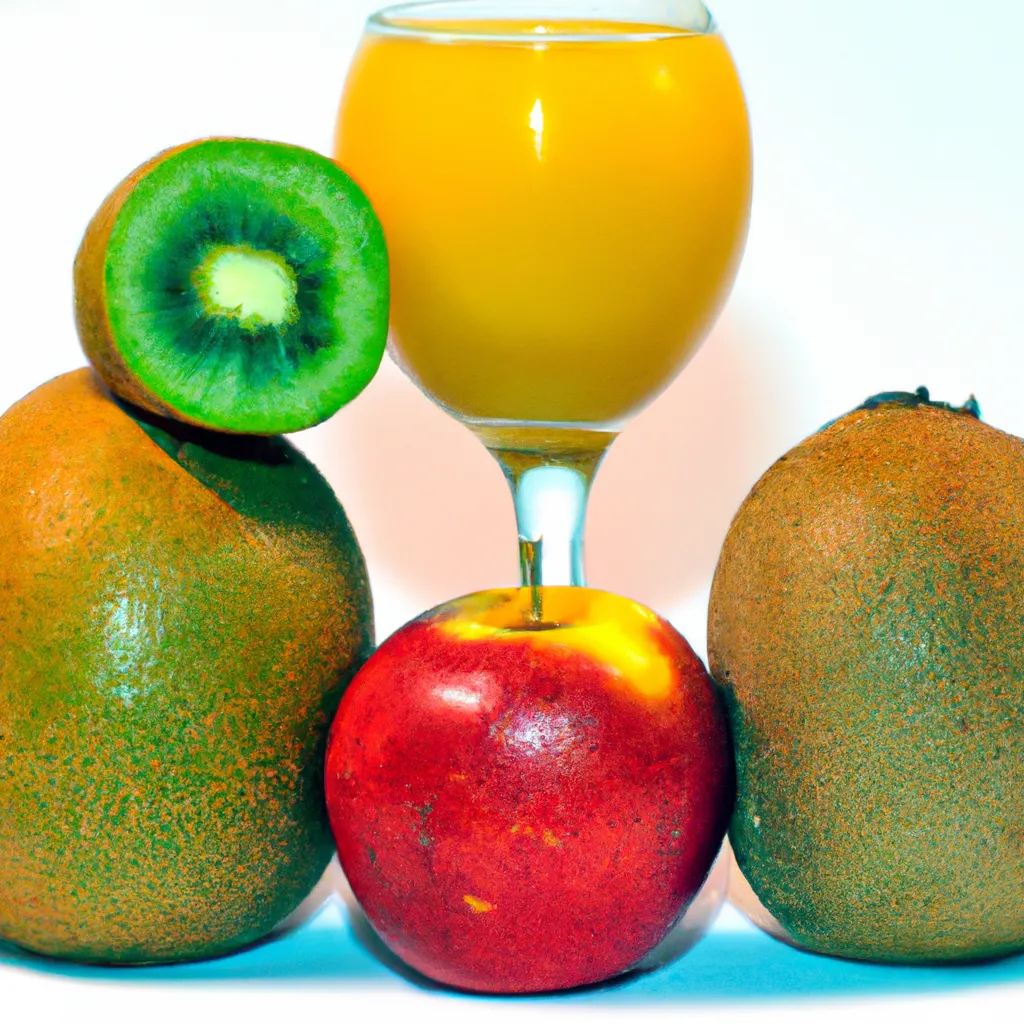
10 Tips for a Healthier and Balanced Diet
Nowadays, with the hustle and bustle of daily life and easy access to processed foods, we often neglect our diet. However, maintaining a healthy and balanced diet is essential for our health and well-being. With this in mind, we have gathered 10 tips to help you adopt healthier eating habits and improve your quality of life.
1. Have Balanced Meals
To ensure a balanced diet, it is important to include all food groups in your meals. This means consuming a variety of foods, such as fruits, vegetables, proteins, carbohydrates, and healthy fats. Try to create colorful plates with different nutrients to ensure the intake of all the vitamins and minerals necessary for the proper functioning of the body.
2. Eat More Fruits and Vegetables
Fruits and vegetables are rich in fiber, vitamins, and essential minerals for our health. Try to include at least 5 servings of these foods per day in your meals. You can vary the options and experiment with new recipes to make the consumption of these foods more enjoyable and diverse.
3. Reduce Processed Food Intake
Processed foods, such as sodas, snacks, fast food, and industrialized products, are high in sugars, trans fats, and sodium, which can be harmful to health if consumed in excess. Opt for natural and fresh foods whenever possible, avoiding ultra-processed ones that are low in nutrients and high in chemical additives.
4. Drink More Water
Water is essential for the proper functioning of our body. Besides keeping the body hydrated, water aids in digestion, toxin elimination, and nutrient transport. Try to drink at least 2 liters of water per day and avoid consuming sodas and sugary drinks, which can contribute to weight gain and health issues.
5. Make Healthy Choices Outside the Home
It’s not always possible to prepare all meals at home, but that doesn’t mean you have to give up on healthy eating when you’re out. When choosing restaurants and snack bars, opt for healthier options like salads, grilled dishes, natural sandwiches, and fresh juices. Avoid fried foods, greasy, and overly caloric meals.
6. Plan Your Meals
A good strategy to maintain a healthy diet is to plan your meals in advance. This helps avoid impulsive decisions and inappropriate choices when eating. Make a shopping list with the foods you need and plan the week’s meals, including varied and balanced options.
7. Practice Balance and Moderation
It’s not about forbidding foods, but about practicing balance and moderation. It’s perfectly healthy to have a sweet occasionally or dine out without worrying about calories. The key is not to overdo it and maintain balance over time, prioritizing healthy foods most of the time.
8. Read Food Labels
To make healthier choices, it’s important to read food labels and understand the nutritional information on packaging. Pay attention to the amount of calories, fats, sugars, and sodium in foods, and prefer options with fewer chemical additives and artificial ingredients.
9. Avoid Skipping Meals
Skipping meals can disrupt metabolism and lead to overeating at the next meal. Moreover, lack of food can cause fatigue, dizziness, and mood swings. Try to have at least 3 main meals a day and, if you feel hungry between meals, opt for healthy snacks like fruits, nuts, or yogurt.
10. Seek Professional Help
If you have difficulty maintaining a healthy diet, do not hesitate to seek professional help. A nutritionist can help you create a personalized meal plan according to your needs and goals and guide you on how to make healthier choices daily.
Conclusion
Maintaining a healthy and balanced diet is crucial for our health and well-being. Following the tips presented in this article can help you adopt healthier eating habits and improve your quality of life. Remember that small changes can make a big difference in the long run, so start taking better care of your diet today.