
Why High-Fiber Foods Are Beneficial for Gut Health
Have you ever noticed how your mood, energy levels, and even mental clarity can vary depending on your gut’s functioning? It’s not a coincidence. In recent decades, science has deepened its understanding of the gut’s role in overall health, with dietary fibers at the center of this story. Simple, accessible, and present in everyday foods, they are often underestimated amidst the many nutritional trends that come and go.
The good news is that you don’t need to follow a complicated diet to reap the benefits of fibers. Fruits, vegetables, greens, whole grains, and legumes are examples of foods that have been part of our food culture for generations. Contemporary science explains in more detail why these traditional foods remain so relevant for gut health—and for broader well-being.
In this article, you’ll find evidence-based information on what fibers are, how they work in the gut, what studies suggest about their benefits, and how to include them gently and progressively in your diet. As always, the content here is educational and general: each person has a unique clinical history, and professional health guidance is irreplaceable.
What Exactly Are Dietary Fibers?
Dietary fibers are a type of carbohydrate found in plant-based foods that the human body cannot completely digest. Unlike starch or sugar, they pass through the small intestine without being absorbed and reach the large intestine almost intact.
There are two main types:
- Soluble fibers: dissolve in water and form a gel-like substance in the digestive tract. They are found in oats, apples, carrots, beans, and flaxseeds, for example.
- Insoluble fibers: do not dissolve in water and increase the bulk of stool, facilitating intestinal transit. They are found in wheat bran, fruit peels, and leafy vegetables.
Most plant foods contain both types of fiber in varying proportions. Therefore, a varied and colorful diet tends to provide a good balance between them.
The Gut Microbiota: The Main Player in This Story
To understand why fibers are so beneficial for the gut, we must talk about the gut microbiota—the community of trillions of microorganisms, mainly bacteria, that inhabit our digestive tract. Studies published in leading scientific journals over the past decades suggest that this microbial community plays essential roles in digestion, immunity, the production of certain vitamins, and even communication with the nervous system.
Fibers—especially soluble ones—act as prebiotics: they serve as food for beneficial gut bacteria. When these bacteria ferment fibers, they produce substances called short-chain fatty acids, such as butyrate. Research suggests that butyrate, for example, may contribute to the health of intestinal lining cells and the modulation of local inflammatory responses.
A more diverse and balanced microbiota is often associated with a healthier gut. One way to promote this diversity, according to scientific evidence, is through a fiber-rich diet with a variety of plant foods.
Suggested Benefits from Studies
It’s important to be honest: nutrition science is constantly evolving, and many studies in this area have methodological limitations. That said, some associations between fiber consumption and gut health consistently appear in the scientific literature:
- Intestinal regularity: Insoluble fibers increase stool bulk and softness, which can help prevent constipation. The World Health Organization (WHO) recognizes adequate fiber intake as part of a healthy diet.
- Sensation of fullness: Soluble fibers delay gastric emptying, which can contribute to a prolonged feeling of fullness after meals.
- Intestinal lining health: The fermentation of fibers and the production of butyrate are studied in relation to the integrity of the intestinal barrier.
- Modulation of intestinal transit: Both constipation and some cases of very loose stools can be positively influenced by fiber intake, depending on the type and amount consumed.
Important: these benefits may vary from person to person, and no single food or nutrient should be seen as a solution to health problems. Always consult a professional before making significant changes to your diet.
Where to Find Fibers in Everyday Brazilian Life
The good news is that Brazilian cuisine is naturally rich in fiber-rich foods. Beans and rice, for example, are a combination that offers quality fibers and is part of the country’s food heritage—as highlighted by the Food Guide for the Brazilian Population from the Ministry of Health.
Here are some examples of fiber-rich foods easily found in Brazil:
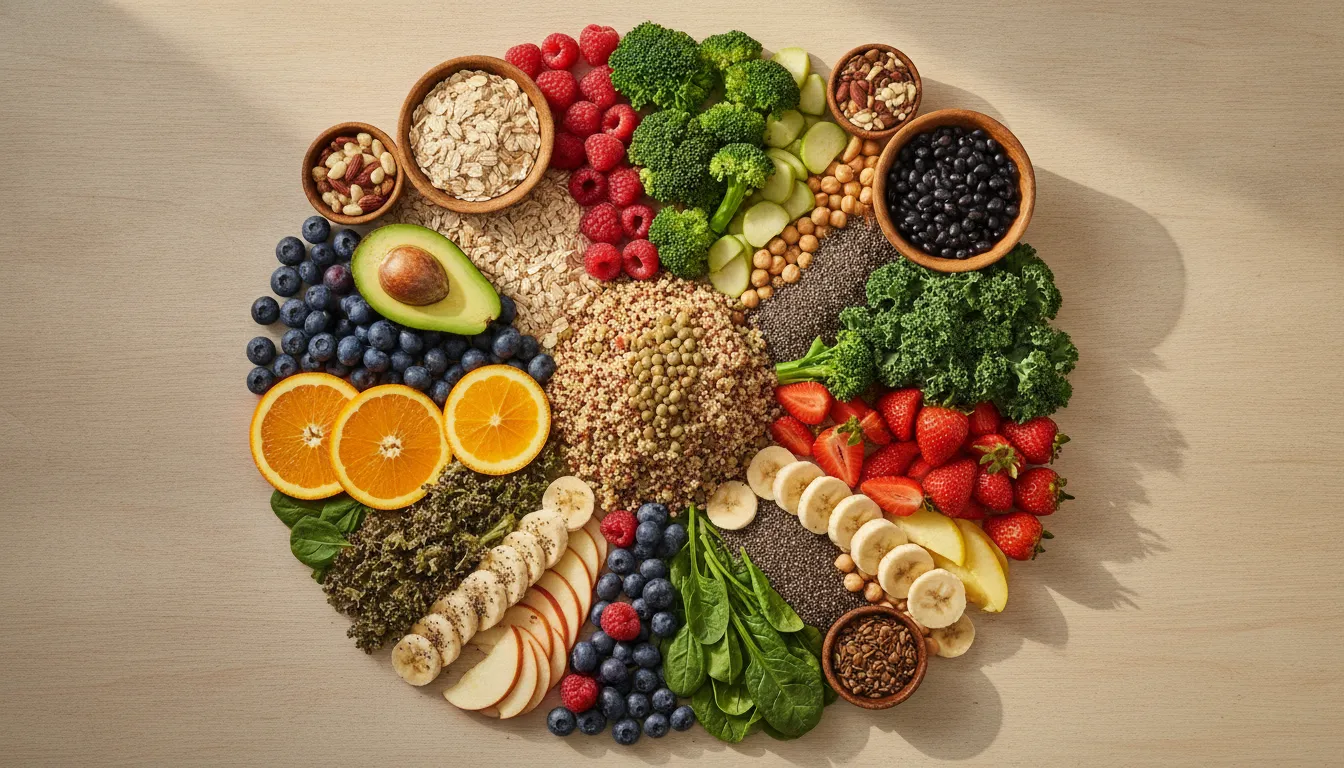
Food Group Examples Legumes Beans, lentils, chickpeas, peas Whole grains Brown rice, oats, whole grain bread, quinoa Fruits Papaya, apple with skin, banana, orange, avocado Vegetables Broccoli, kale, carrot, zucchini, beetroot Nuts and seeds Chia, flaxseed, peanuts, Brazil nuts Variety is an important ally. The more diverse the plant foods on your plate, the greater the diversity of fibers—and consequently, nutrients for the gut microbiota.
How to Gradually Include More Fibers in Your Routine
Increasing fiber intake abruptly can cause temporary discomforts, such as gas and abdominal bloating. Therefore, a gradual transition is always preferable. Here are some practical suggestions:
- Start slowly: If you’re not used to consuming many fibers, add one food at a time to your routine instead of changing everything at once.
- Stay well-hydrated: Fibers need water to function properly in the gut. Maintaining good hydration throughout the day often helps a lot.
- Choose whole foods when possible: Replacing white bread with whole grain, or white rice with brown rice, is a simple change that increases fiber intake.
- Include fruits with skin: When the skin is edible and you have access to good-quality fruits, it is an extra source of fibers.
- Opt for legumes: Beans, lentils, and chickpeas are accessible, versatile, and rich in fibers. Soaking them before cooking can help reduce gas.
- Vary the colors on your plate: Each color of vegetable corresponds to different compounds and types of fiber. A colorful plate is generally a more nutritious plate.
- Read labels carefully: In processed products, check the amount of fiber per serving—this helps make more conscious choices at the supermarket.
Incorporating more movement throughout the day can also contribute to good intestinal function. If you’re curious about the benefits of daily movement, check out our article on daily walking: why walking is good for health.
The Gut-Brain Connection: An Expanding Field
One of the most fascinating areas of current research is the so-called gut-brain axis—the bidirectional communication between the digestive system and the central nervous system. Studies in this area suggest that the state of the gut microbiota can influence aspects such as mood, stress, and even sleep patterns, although science is still building this understanding.
This doesn’t mean that eating fibers will “solve” emotional or mental health issues—it would be an inadequate simplification. But it reinforces the idea that taking care of the body in an integrated way, including diet, movement, sleep, and emotional health, usually yields more consistent results for overall well-being.
When to Seek a Health Professional
While fibers are natural components of a balanced diet, there are situations where it’s crucial to seek medical or nutritional guidance before making dietary changes:
- Persistent intestinal symptoms: Frequent abdominal pain, chronic constipation or diarrhea, blood in the stool, or sudden changes in bowel habits deserve medical evaluation.
- Diagnosed intestinal diseases: People with irritable bowel syndrome, Crohn’s disease, ulcerative colitis, or other gastrointestinal conditions may have specific dietary needs—and fiber intake should be adjusted with professional guidance.
- Post-surgery or specific clinical conditions: In some contexts, the diet needs careful adaptations.
- Questions about fiber supplementation: Fiber supplements exist and may be recommended in some cases, but the decision should be made with a doctor or nutritionist.
A nutritionist is the best professional to help tailor your diet to your individual needs, respecting your routine, preferences, and health condition.
Conclusion
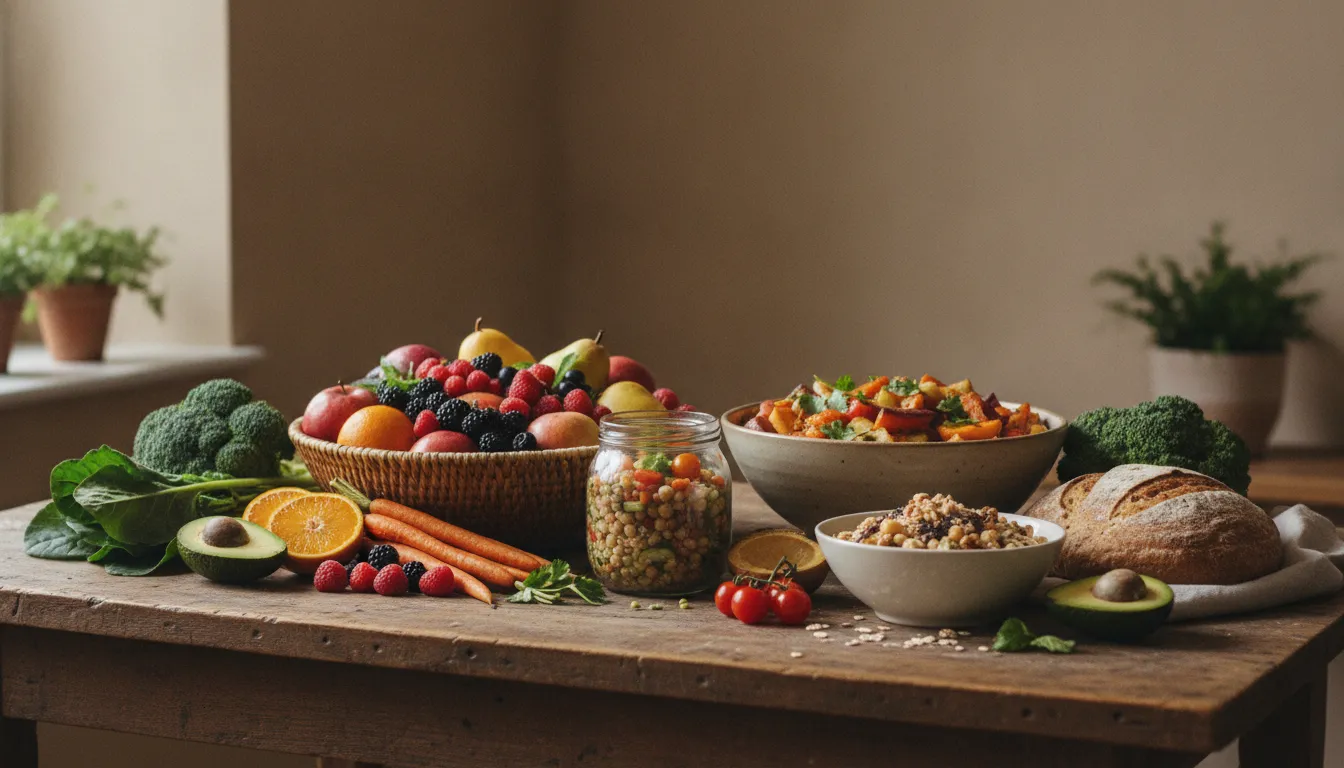
Caring for the gut is a way of caring for the entire body. Dietary fibers are one of the simplest, most accessible, and well-studied tools to support this care—and the best part is that they have long been part of Brazilian food culture. There’s no need to seek exotic ingredients or follow fleeting fads: everyday beans, fruit, vegetables, and whole grains already offer a valuable starting point.
The journey to a more balanced diet is personal and doesn’t need to be perfect. Small changes, made with consistency and attention to your own body, are usually more sustainable than major abrupt transformations. Be gentle with yourself in this process.
This content is informative and educational, and does not replace the evaluation of a health professional. Each person has unique characteristics and needs. Consult a doctor, nutritionist, or other qualified professional for individualized guidance.
- Diagnosed intestinal diseases: People with irritable bowel syndrome, Crohn’s disease, ulcerative colitis, or other gastrointestinal conditions may have specific dietary needs—and fiber intake should be adjusted with professional guidance.
- Stay well-hydrated: Fibers need water to function properly in the gut. Maintaining good hydration throughout the day often helps a lot.
- Sensation of fullness: Soluble fibers delay gastric emptying, which can contribute to a prolonged feeling of fullness after meals.
- Insoluble fibers: do not dissolve in water and increase the bulk of stool, facilitating intestinal transit. They are found in wheat bran, fruit peels, and leafy vegetables.