
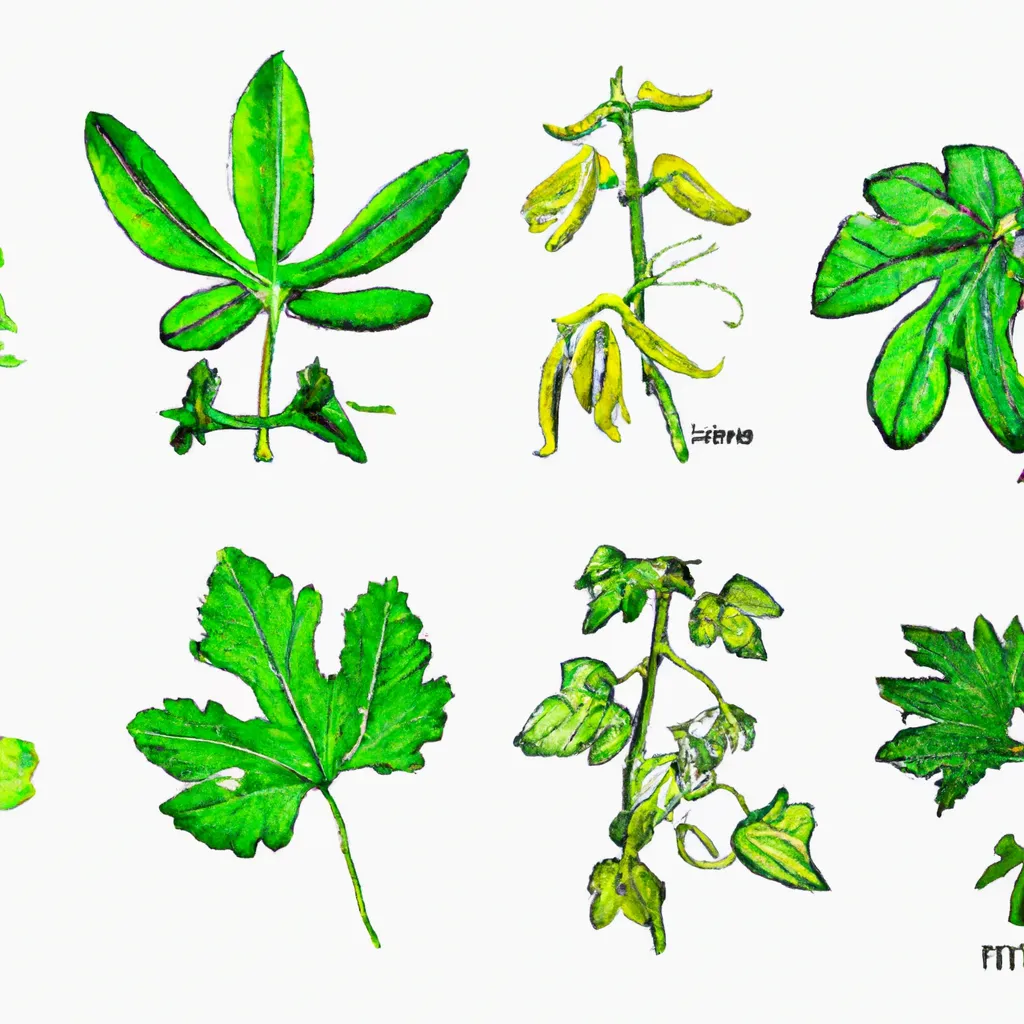
Harness the Power of Medicinal Plants: Incredible Benefits and Uses
Medicinal plants have been used for centuries as a natural way to treat a variety of health conditions. Their benefits range from pain relief to boosting the immune system. In this article, we will explore the incredible benefits and uses of medicinal plants, and how they can be a valuable addition to your health care routine.
Benefits of Medicinal Plants
Medicinal plants contain a variety of active compounds that can have positive effects on the human body. Some of the most common benefits include:
- Pain relief: Many medicinal plants have analgesic properties that can help relieve muscle pain, headaches, and chronic pain.
- Reduction of inflammation: Some medicinal plants have anti-inflammatory properties that can be useful in treating inflammatory conditions, such as arthritis and autoimmune diseases.
- Boosting the immune system: Regular consumption of certain medicinal plants can help strengthen the immune system, making the body more resistant to infections and diseases.
- Regulation of the digestive system: Many medicinal plants have digestive properties that can help relieve problems such as indigestion, heartburn, and constipation.
- Improved sleep: Some herbal teas have relaxing properties that can help promote more restful sleep.
Uses of Medicinal Plants
Medicinal plants can be used in various forms, including teas, infusions, tinctures, ointments, and essential oils. Here are some of the most common uses of medicinal plants:
- Teas: Making herbal teas is a popular way to extract the active compounds from plants. Chamomile, mint, and ginger teas are known for their calming and digestive effects.
- Infusions: Herbal infusions are made by steeping plants in hot water for an extended period. This helps to extract the active compounds from the plants more effectively.
- Tinctures: Tinctures are concentrated extracts of medicinal plants made with alcohol or vinegar. They can be used topically or internally, depending on the plant and the condition being treated.
- Ointments: Herbal ointments are used topically to treat skin problems, such as burns, cuts, and rashes.
- Essential oils: Essential oils are extracted from medicinal plants and have a variety of uses, from aromatherapy to health and beauty treatments.
Popular Medicinal Plants
There are hundreds of medicinal plants with a variety of health benefits. Here are some of the most popular medicinal plants and their uses:
- Chamomile: Known for its calming properties, chamomile is often used to treat sleep problems, anxiety, and digestive issues.
- Ginger: Ginger has anti-inflammatory and digestive properties, being useful in treating nausea, muscle pain, and digestive problems.
- Mint: Mint is known for its digestive and refreshing properties, being used to relieve problems such as indigestion and bad breath.
- Lavender: Lavender has calming and relaxing properties, being used to relieve stress, promote sleep, and treat headaches.
- Garlic: Garlic has antibacterial and antifungal properties, being used to strengthen the immune system and treat infections.
Conclusion
Medicinal plants have a long history of use in traditional medicine and continue to be a valuable source of natural treatments for a variety of health conditions. If you are interested in exploring the power of medicinal plants, consult a qualified health professional for guidance on the proper and safe use of plants.
Discover the incredible potential of medicinal plants and add these natural remedies to your health care routine to promote the well-being and vitality of the body and mind.