
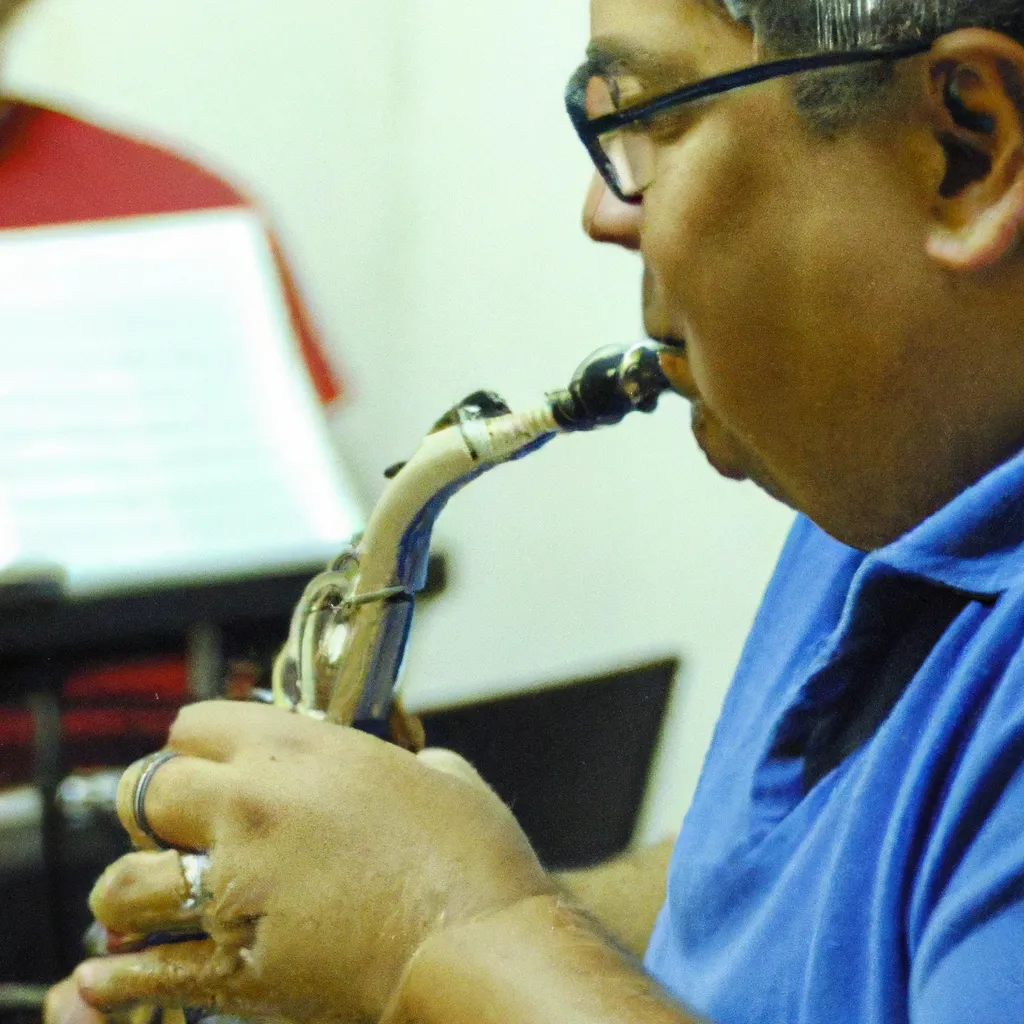
The Magic of Music Therapy: How Music Transforms Lives
Music has the power to touch our souls in a unique and profound way. It can make us smile, cry, dance, and even heal. Music therapy is a therapeutic approach that uses music as the main tool to promote mental, emotional, and physical health. In this article, we will explore the magic of music therapy and how it can transform lives in surprising ways.
What is Music Therapy?
Music therapy is a therapeutic practice that uses music and its elements (rhythm, melody, harmony) to promote health and well-being. This approach can be used in a variety of settings, such as hospitals, schools, rehabilitation clinics, and therapeutic offices. The music therapist is the professional responsible for conducting the sessions, using musical instruments, songs, and improvisation to achieve the therapeutic goals set for each patient.
Benefits of Music Therapy
Music has the power to connect us with our deepest emotions, allowing us to express feelings that we often cannot put into words. Music therapy can bring a range of benefits to individuals of all ages, including:
- Reduction of stress and anxiety
- Improvement of self-esteem and self-expression
- Stimulation of creativity and imagination
- Promotion of socialization and interaction
- Relief of pain and physical discomfort
- Development of motor and cognitive skills
Furthermore, music therapy has proven effective in treating mental disorders such as depression, anxiety, autism, and dementia. It can help patients deal with their emotions, improve communication, and enhance overall quality of life.
How Music Transforms Lives
Music has the power to transport us to different states of mind, reminding us of happy moments, calming us in times of stress, and motivating us to move forward. In music therapy, these effects are enhanced, as music is used consciously and therapeutically to promote positive changes in patients’ lives.
An example of this is the story of Maria, a patient with Alzheimer’s who had lost the ability to communicate and connect with the world around her. After a few sessions of music therapy, Maria began to hum songs from her childhood, smile, and move to the rhythm of the music. The music managed to awaken old memories and long-forgotten emotions, bringing a new sparkle to Maria’s eyes and those of her family.
Similarly, music therapy can help children with autism develop social skills, adults with depression find comfort and hope, and seniors with dementia reconnect with their life stories. Music is a universal language that can transcend barriers and touch hearts of all ages and conditions.
Conclusion
Music therapy is a powerful therapeutic practice that can transform lives in incredible ways. Through music, it is possible to promote healing, expression, and connection with the inner self and the world around us. Whether to relieve everyday stress, deal with emotional traumas, or simply find joy and inspiration, music has the power to guide us toward a fuller and more meaningful life.
If you are interested in exploring the benefits of music therapy, do not hesitate to seek a qualified music therapist in your area. The magic of music is within everyone’s reach; just open your heart and let the melody guide you.
Texto do Link