Physical Activity for Seniors: Benefits and How to Practice
Aging with health is a desire shared by many people — and the good news is that science continues to accumulate evidence that physical movement is one of the factors that most contributes to a long and quality life. This is not about running marathons or lifting heavy weights: we are talking about physical activity adapted to the reality and possibilities of each elderly person, practiced in a safe, enjoyable and consistent manner.
In Brazil, the population aged 60 and over is growing significantly. According to data from the Brazilian Institute of Geography and Statistics (IBGE), the country has tens of millions of people in this age group, and this number continues to rise. With this scenario, caring for the physical and mental health of the elderly is no longer just an individual issue — it has become a public health priority and, above all, an act of care and respect for those who have reached this phase of life.
This article aims to present, in an accessible and evidence-based manner, the main benefits of physical activity for elderly people and general guidance on how to start or maintain a routine of movement. We remind you from the outset that each person has a unique clinical history: before starting any physical activity, it is essential to consult a doctor or qualified health professional.
Why Does the Body Change with Aging?
As the years pass, the body undergoes natural transformations that affect muscle strength, balance, flexibility, bone density and cardiovascular capacity. These changes are part of the biological process of aging — they are not failures, they are characteristics of this phase of life.
Among the most common processes, the following stand out:
- Sarcopenia: gradual loss of muscle mass and strength, which can increase the risk of falls and make daily activities difficult.
- Reduced bone density: bones tend to become less dense with age, making them more susceptible to fractures.
- Changes in balance and coordination: the vestibular and proprioceptive systems (which help us feel our body in space) lose efficiency over time.
- Lower aerobic capacity: the heart and lungs work with less maximum efficiency, which can cause fatigue more easily during exertion.
Understanding these changes is the first step to understanding why regular physical activity is so relevant at this stage — and how it can help slow down or mitigate some of these processes.
Benefits of Physical Activity for Seniors
The World Health Organization (WHO) and Brazil’s Ministry of Health recognize regular physical activity as one of the pillars of health at all stages of life, with special emphasis on the elderly. The documented benefits are broad and encompass body and mind.
Physical Health
- Maintenance of muscle mass: strength exercises, such as light weight training or pilates, tend to help preserve muscle and reduce the effects of sarcopenia.
- Bone strengthening: moderate impact activities and resistance exercises can help maintain bone density, often associated with the prevention of conditions such as osteoporosis.
- Improved balance and reduced risk of falls: studies suggest that practices such as tai chi, adapted yoga and balance training can reduce the occurrence of falls in elderly people — one of the main risks for this age group.
- Cardiovascular health: regular aerobic activities, such as walking, swimming and adapted cycling, tend to contribute to blood pressure control and heart health.
- Control of chronic conditions: regular exercise practice is widely associated with helping manage conditions such as type 2 diabetes, hypertension and joint diseases, always in conjunction with medical follow-up.
Mental Health and Well-being
- Reduction of anxiety and depression symptoms: several studies point out that physical exercise can have a positive effect on mood and emotional well-being in the elderly.
- Cognitive function: studies suggest an association between regular physical activity and the maintenance of cognitive functions, such as memory and attention, although this is a field of research still in development.
- Sleep quality: moving the body during the day tends to contribute to more peaceful nights and more restorative sleep.
- Socialization and self-esteem: practicing activities in groups, such as dance, water aerobics or group walks, can strengthen social bonds and the sense of belonging — essential aspects for emotional well-being.
What Activities Are Recommended for Seniors?
There is no single “right” activity for all elderly people. The ideal is for the choice to take into account health conditions, personal preferences, availability and guidance from a professional. The WHO recommends, in general, that adults aged 65 and over engage in aerobic activities, muscle-strengthening exercises and balance activities throughout the week.
Some options that tend to be well adaptable:
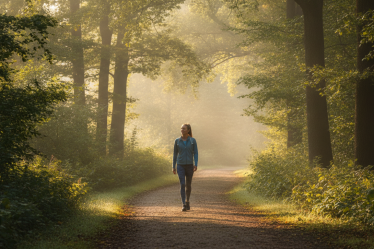
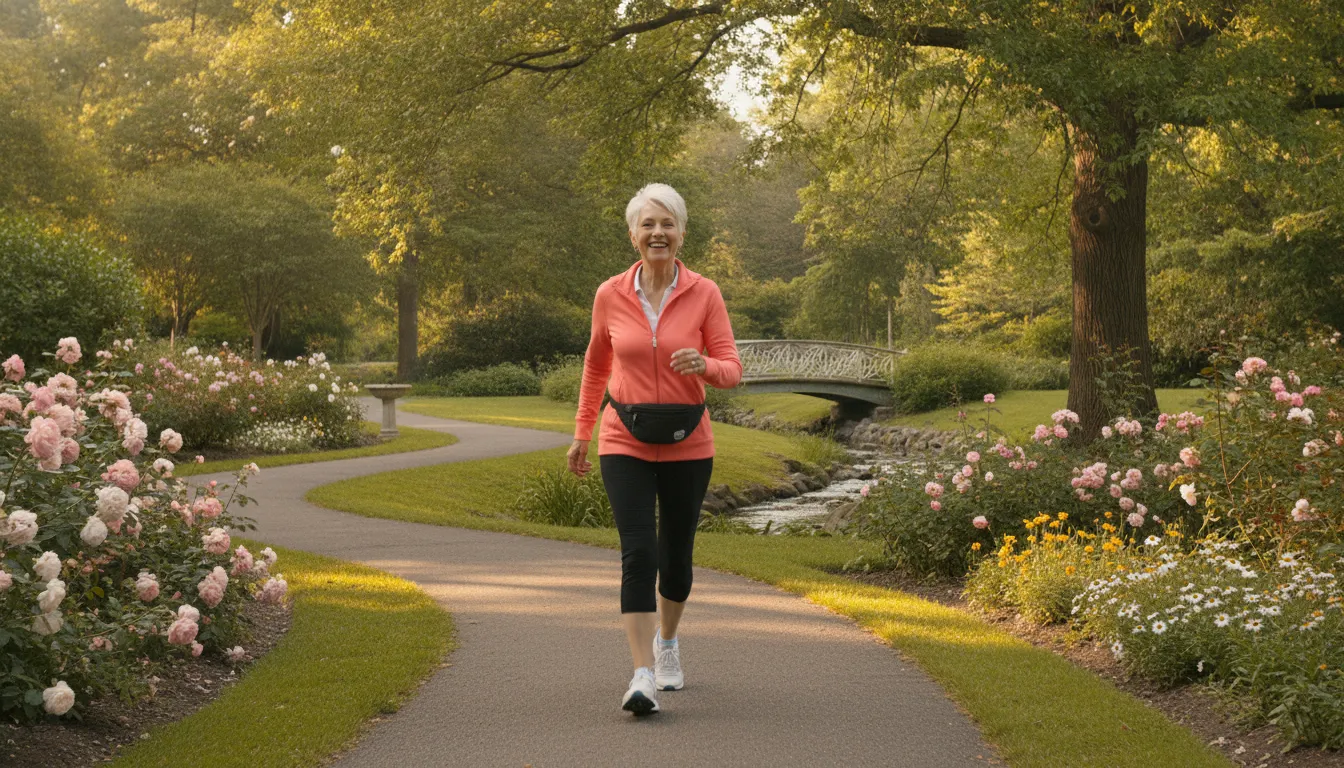
- Walking: accessible, low impact and easily incorporated into your routine.
- Swimming and water aerobics: excellent for those with joint pain, as water reduces impact on joints.
- Pilates: works strength, balance and flexibility in a controlled manner.
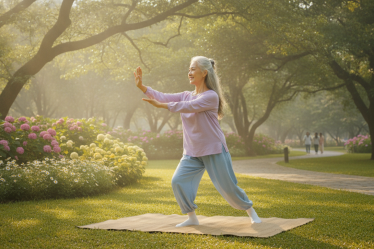
- Tai chi chuan: a practice of Chinese origin with favorable evidence for improving balance and reducing the risk of falls.
- Adapted yoga: contributes to flexibility, breathing and mental well-being.
- Light weightlifting or functional gymnastics: with proper guidance, it can be safe and very effective for maintaining strength.
- Dance: in addition to physical benefits, it stimulates memory and socialization.
Incorporating mindfulness practices into movement can also enrich the experience. If you want to know more about this, the article Mindfulness in daily life: a guide to getting started can bring useful perspectives.
How to Start Safely: General Guidance
Starting a physical activity routine in the elderly requires careful planning. The following tips are educational and general in nature — they do not replace the assessment of a health professional or physical education specialist.
- Get a medical evaluation before you start: a doctor can check your health conditions and indicate whether there are any restrictions or special care needed.
- Start slow and increase gradually: there is no rush. Starting with short sessions — 10 to 15 minutes — and gradually increasing the time is a gentle and sustainable approach.
- Choose something you enjoy: long-term adherence is much higher when the activity is enjoyable.
- Prefer cooler times of day: especially for outdoor activities, avoiding the midday sun helps prevent dehydration and discomfort. Speaking of hydration, it is worth remembering that drinking water regularly is essential — the article Why hydration is essential for the body addresses this topic in more detail.
- Listen to your body: mild discomfort is different from pain. Learn to perceive your body’s signals and stop if you feel anything unusual.
- Seek professional support: a physical educator with experience in working with the elderly can adapt exercises to your reality and make the practice much safer.
- Maintain regularity: consistency matters more than intensity. Moving regularly produces better results than sporadic and intense workouts.
Nutrition Also Plays a Role
Physical activity has even more significant results when combined with balanced eating habits. We are not talking about restrictive diets — but about varied nutrition, with fruits, vegetables, legumes, proteins and whole grains, which provide the nutrients necessary for the body to move and recover well.
Elderly people often need special attention to protein and calcium intake, for example — but specific dietary guidance should always come from a nutritionist or doctor, according to each case.
When to See a Health Professional
Some situations indicate that it is time to seek specialized guidance before starting or continuing physical activity:
- Persistent pain in the joints, muscles or bones during or after exercise.
- Shortness of breath out of proportion to the effort exerted.
- Dizziness, fainting or heart palpitations during activity.
- History of cardiovascular disease, severe osteoporosis, uncontrolled diabetes or other chronic conditions.
- Recent falls or frequent feeling of imbalance.
- Doubts about which activity is most appropriate for your case.
In these cases, a doctor — general practitioner, geriatrician or specialist — is the professional qualified to provide guidance. A physical educator specialized in working with the elderly is also a valuable ally for safe practice.
Conclusion
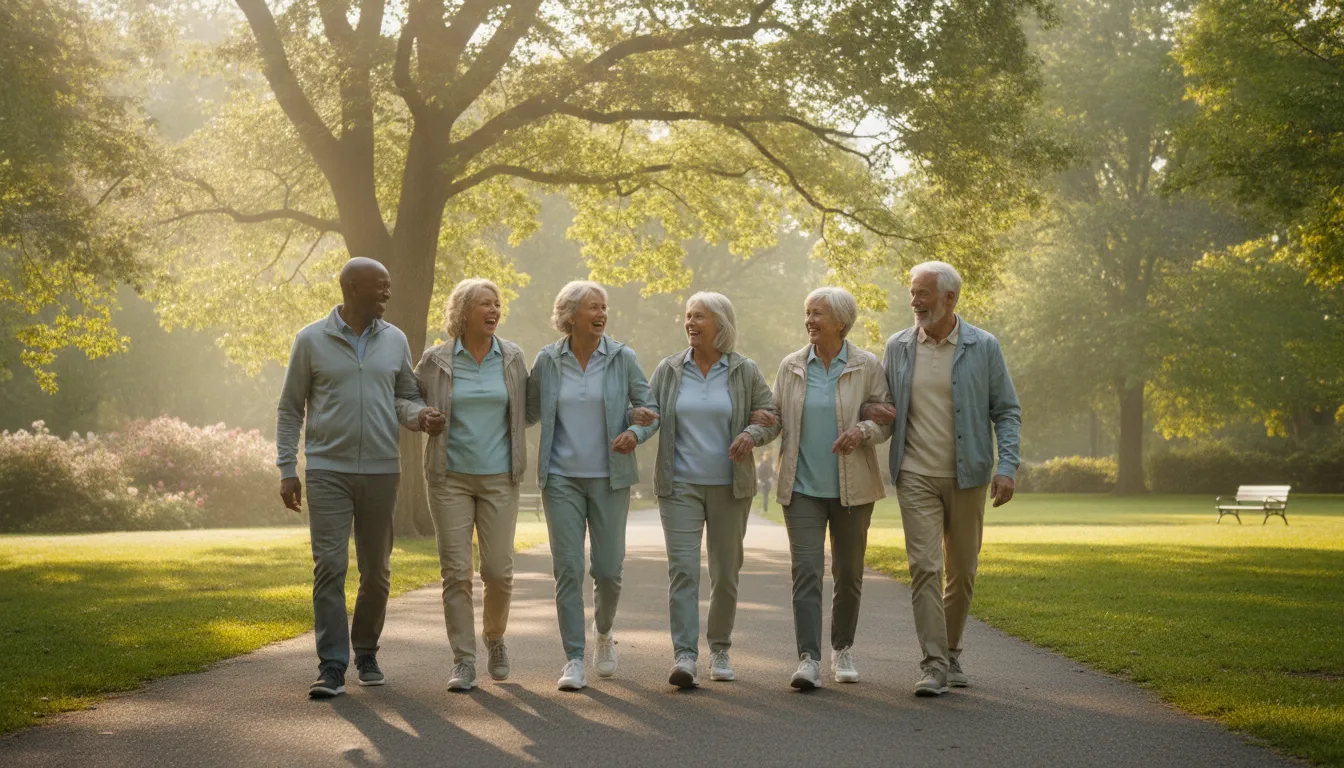
Moving your body with care and intelligence is one of the most generous gestures a person can make toward themselves at any stage of life — and especially in the elderly years. It is not about turning your day into a marathon of exercises, but about finding movements that bring well-being, that are possible and that make sense for your reality.
Each step counts. Every time you stand up, walk, stretch or dance, you are investing in your physical and emotional health. And if you want more inspiration for small steps that make a difference, the article Small habits that help you maintain energy throughout the day can be a good complementary read.
Take care of yourself with attention, seek professional support and remember: it is never too late to start moving with better health.
This content is informative and educational, produced by health and wellness writers, and does not replace the evaluation, diagnosis or recommendation of a qualified health professional. Before starting any physical activity, consult your doctor or health team.