

Why Moving Makes All the Difference After 60
Reaching the ages of 60, 70, or 80 with energy, independence, and quality of life is a common goal for many people—and it’s not just a matter of luck or genetics. Science increasingly shows that keeping the body active over the years is one of the main factors contributing to healthy aging. The good news is it’s never too late to start.
Brazil has a rapidly aging population. According to data from the Brazilian Institute of Geography and Statistics (IBGE), the number of people aged 60 or older has already surpassed 30 million and continues to grow. In this scenario, taking care of health in old age has become a central topic in public policies and everyday conversations about well-being.
This article provides evidence-based information on the benefits of physical activity for seniors, necessary precautions before starting or intensifying an exercise routine, and guidance to make this process safer and more enjoyable. Remember: every body is unique, and no text can replace the assessment of a healthcare professional who knows your history.
What Guidelines Say About Physical Activity in Old Age
The World Health Organization (WHO) has published specific recommendations for adults aged 65 and older in its global guidelines on physical activity. According to this document, individuals in this age group can benefit from at least 150 to 300 minutes of moderate-intensity aerobic activity per week, or 75 to 150 minutes of vigorous-intensity activity—along with muscle-strengthening exercises on two or more days weekly.
The same guidelines highlight the importance of balance and coordination exercises to prevent falls, one of the greatest risks to the health and autonomy of the elderly. Seniors with reduced mobility are especially advised to include functional activities in their routine, such as exercises that simulate daily movements.
It’s important to note that these are general recommendations based on large populations. Practical application for each person should always be discussed with a doctor, physical therapist, or qualified fitness instructor, considering preexisting health conditions, physical limitations, and individual goals.
Benefits Suggested by Studies for Those Who Stay Active
Scientific literature accumulated over recent decades points to a series of benefits associated with regular physical activity in seniors. Here are some of the main ones:
Cardiovascular and Metabolic Health
Studies suggest that regular aerobic exercise can help maintain healthy blood pressure levels, improve blood circulation, and better control metabolic markers. Societies like the Brazilian Society of Cardiology recognize exercise as an important part of cardiovascular care strategies—always in conjunction with medical supervision.
Muscle Strength and Fall Prevention
After age 50, the body begins to lose muscle mass progressively—a phenomenon known as sarcopenia. Resistance exercises (such as adapted weight training, exercises with elastic bands, or bodyweight exercises) often help slow this process, improve balance, and reduce the risk of falls and fractures.
Bone Health
Weight-bearing physical activity—such as walking—can help maintain bone density, which is especially relevant for postmenopausal women, who are more vulnerable to osteoporosis. This doesn’t mean exercise alone solves the issue; medical supervision is crucial to assess individual bone health.
Mental Health and Emotional Well-being
This may be one of the less frequently mentioned benefits, but it often appears in research: regular physical activity can help reduce symptoms of anxiety and depression, improve mood, enhance well-being, and even improve sleep quality. Movement releases substances like endorphins and serotonin, which play a role in emotional balance.
If you or someone close to you is experiencing intense emotional distress, remember that seeking support from a psychologist or psychiatrist is always an important step. There’s nothing wrong with needing help—and it is available.
Cognitive Function
Recent research suggests that regular physical exercise may be associated with better cognitive performance and a lower risk of memory decline over time. Walking, dancing, and activities that combine movement and mental stimulation seem particularly promising in this field—although science is still exploring the exact mechanisms.
Autonomy and Quality of Life
Perhaps the most tangible benefit in daily life: staying active often helps seniors perform their daily activities more easily—climbing stairs, carrying groceries, playing with grandchildren. This functional independence has a direct impact on self-esteem and quality of life.
Recommended Activities for Seniors: Options for All Profiles
There is no single “ideal” activity for all seniors. The best exercise is the one a person can do safely, enjoys practicing, and fits into their routine. Some options frequently recommended by experts include:
- Walking: accessible, low-impact, and easy to adapt to each person’s pace
- Swimming and water aerobics: excellent for those with joint pain or mobility limitations
- Yoga and tai chi chuan: studies suggest benefits for balance, flexibility, and mental well-being
- Pilates: can help with posture, core strengthening, and body awareness—learn more at What Pilates Can Do for Your Body
- Adapted weight training: with professional guidance, it can be practiced safely even by older individuals
- Dancing: combines movement, socialization, and cognitive stimulation
Essential Precautions Before Starting or Changing the Routine
Starting or intensifying an exercise routine in old age requires attention to some important points:
- Undergo a medical evaluation before starting. A general practitioner, geriatrician, or cardiologist can identify contraindications or adjust recommendations to your health condition.
- Seek guidance from a fitness instructor. A qualified professional will know how to adapt exercises to your physical condition and help avoid injuries.
- Start slowly and progress gradually. The body needs time to adapt. Overexerting at the beginning is one of the most common mistakes.
- Listen to your body. Intense pain, dizziness, excessive shortness of breath, or any unusual discomfort are signs that something needs to be evaluated.
- Stay well-hydrated. The sensation of thirst tends to decrease with age, but the need for water does not. Remember to drink water before, during, and after exercises. Learn more about the importance of hydration at Why Drinking Water Is Essential for Your Well-being.
- Respect rest days. Recovery is part of the process and should not be neglected.
- Adapt practice to the climate and time of day. On very hot days, prefer to exercise during cooler hours and in ventilated places.
Common Myths About Physical Activity in Old Age
“Seniors shouldn’t exert themselves.” This is one of the most harmful myths. Sedentary behavior is actually associated with a higher risk of muscle mass loss, falls, cardiovascular diseases, and functional decline. The issue is not to avoid exertion, but to adapt it to each person’s reality—with proper guidance.
“If I haven’t exercised my whole life, it’s pointless to start now.” Studies suggest that starting a physical activity routine even at older ages can bring significant benefits to health and quality of life. The right time is always now.
“Exercise will worsen my joint pain.” In many cases, appropriate exercises—especially low-impact ones with professional guidance—can help reduce pain and improve mobility in conditions like osteoarthritis. But this varies greatly from person to person, and a healthcare professional can best guide in this case.
When to Seek a Healthcare Professional
Some situations require professional evaluation before any physical activity or should lead to the immediate cessation of exercises:
- Chest pain or tightness during or after exercise
- Shortness of breath disproportionate to the effort made
- Dizziness, fainting, or feeling like you might faint
- Intense and persistent joint or muscle pain
- Sudden swelling in limbs
- Any neurological changes, such as unexpected numbness or weakness
- Recent diagnosis of any health condition (cardiac, bone, neurological, etc.)
In these cases, stop the activity and seek medical attention. If it’s an emergency, call SAMU (192) or go to the nearest emergency room.
An Invitation to Move: Every Step Counts
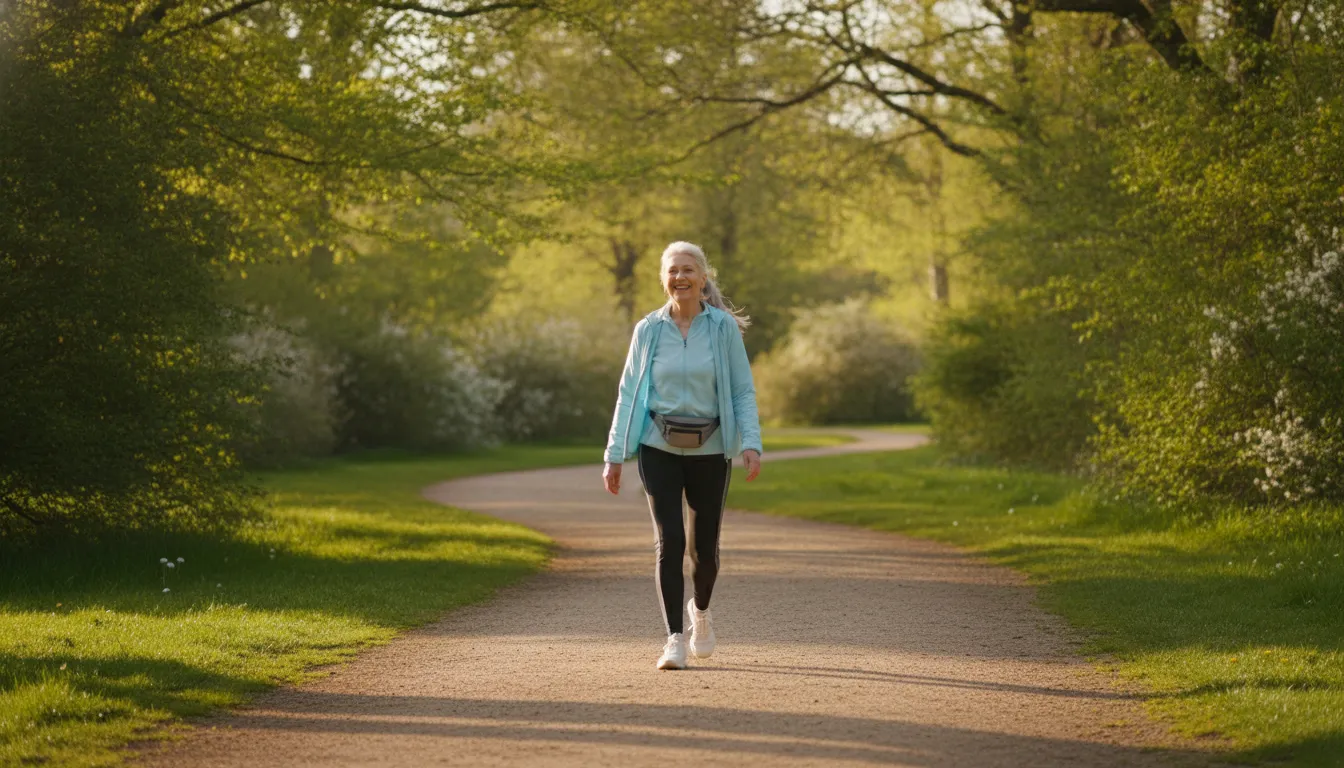
Aging healthily doesn’t mean an absence of challenges—it means having resources, support, and habits that help face them with better quality of life. Physical activity is one of these resources: accessible, versatile, and with benefits that extend from the body to the mind.
If you don’t yet have an exercise routine, you don’t need to start with big goals. A short walk, a trial water aerobics class, or a stretching session are already valid starting points. The important thing is to take the first step—with care, with pleasure, and with the support of trusted professionals.
Take care of yourself. You deserve it.
This content is informative and educational, produced by health and wellness writers, and does not replace the evaluation, diagnosis, or treatment by a qualified healthcare professional. Always consult your doctor, physical therapist, or fitness instructor before starting or modifying a physical activity routine.