Unraveling Anxiety: Effective Strategies to Tame the Invisible Monster
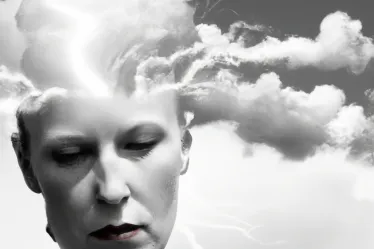
Anxiety is one of the most common and debilitating mental health issues faced by modern society. Often described as an “invisible monster” haunting the lives of millions worldwide, this article explores what anxiety is, how it manifests, and, most importantly, how we can effectively manage it.
What is Anxiety?
Anxiety is a natural response of the body to stress, danger, or uncertainty. It’s a normal emotion that everyone experiences at some point in their lives. However, when anxiety becomes excessive, persistent, and interferes with daily activities, it can develop into an anxiety disorder.
Anxiety disorders are real medical conditions causing intense and constant fear, excessive worry, and physical symptoms such as rapid heartbeat, sweating, trembling, and difficulty breathing. There are different types of anxiety disorders, including generalized anxiety disorder, panic disorder, phobias, obsessive-compulsive disorder (OCD), and post-traumatic stress disorder (PTSD).
How Does Anxiety Manifest?
Anxiety can manifest in various ways, both emotionally and physically. Some common symptoms of anxiety include:
- Excessive and constant worry
- Restlessness and irritability
- Fatigue
- Difficulty concentrating
- Muscle tension
- Insomnia
- Panic and anxiety attacks
- Intense and irrational fear
It’s important to note that anxiety affects each person uniquely, and symptoms can vary in intensity and duration.
How to Manage Anxiety?
While anxiety can be debilitating, there are several strategies and techniques that can help manage this issue effectively. Here are some tips for managing anxiety:
Breathing Techniques
Breathing techniques are a simple and effective way to calm the mind and body, reducing anxiety and stress. Deep, slow, and conscious breathing can help restore emotional balance and promote a sense of calm. To learn more about the best breathing techniques, check out our post Discover the Best Breathing Techniques to Enhance Health and Well-being.
Self-Knowledge
Knowing oneself and understanding the underlying causes of anxiety can be crucial for effectively managing the problem. Practicing self-knowledge can help identify negative thought patterns, limiting beliefs, and dysfunctional behaviors that contribute to anxiety. To learn more about the power of self-knowledge, check out our post Unlock the Power of Self-Knowledge: Transform Your Life Today!.
Cognitive Behavioral Therapy
Cognitive Behavioral Therapy (CBT) is a therapeutic approach proven effective in treating anxiety. CBT helps individuals identify and modify negative thought patterns and dysfunctional behaviors, promoting change and personal growth. Consulting a qualified therapist can be an effective way to learn how to manage anxiety.
Conclusion
Anxiety is a serious and common mental health issue affecting millions worldwide. However, it is possible to learn to manage anxiety effectively using proven strategies and techniques. By practicing breathing techniques, developing self-knowledge, and seeking therapeutic help, it is possible to control anxiety and live a more balanced and healthy life.