# 5 Signs Stress is Taking Over Your Life and How to Regain Control
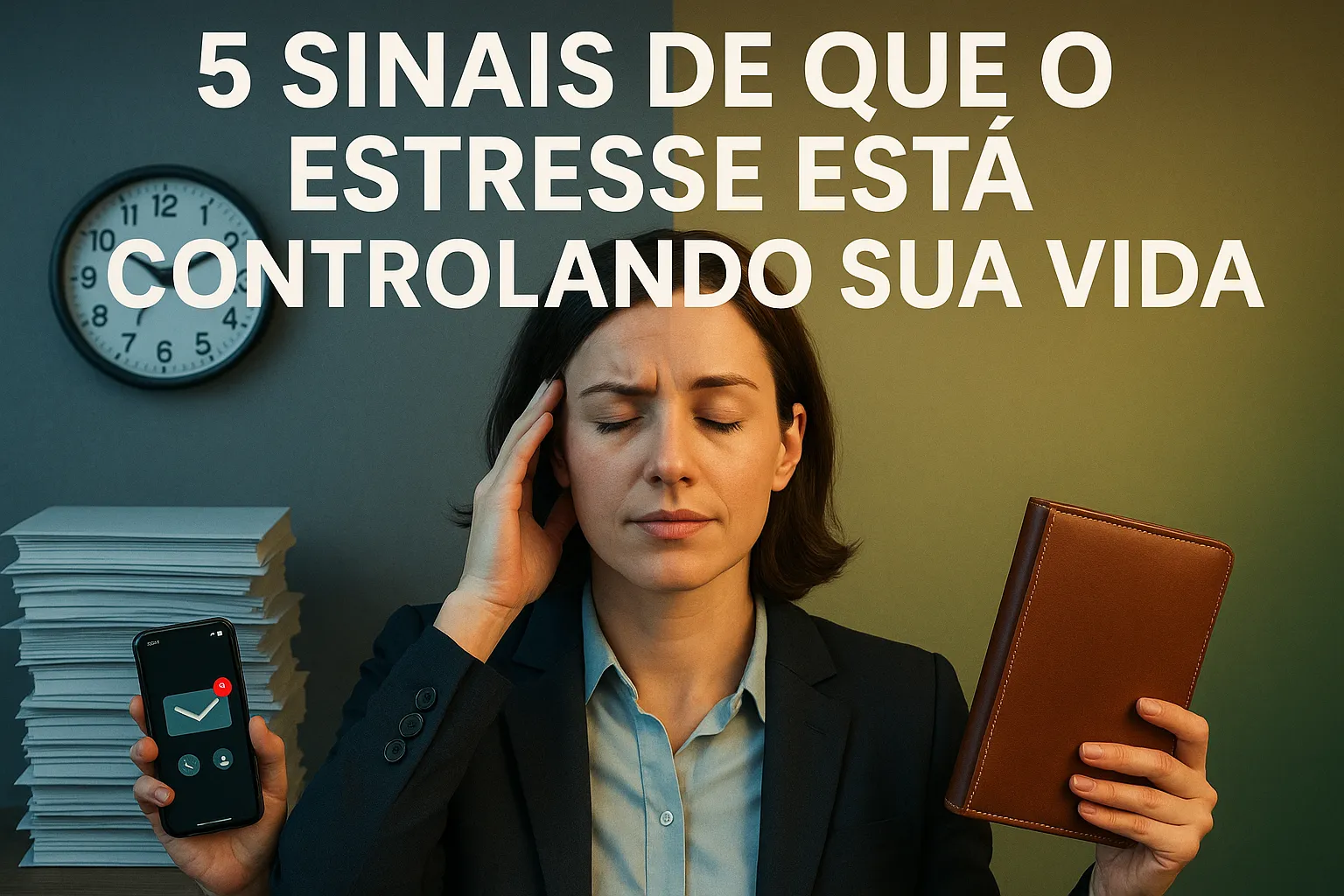
Stress is a natural response of the body to challenges and situations that require adaptation. In moderate doses, it can even be beneficial, keeping us alert and motivated. However, when stress becomes chronic and starts to dominate our daily lives, it ceases to be an ally and turns into a true enemy of our physical and mental health.
We live in a society that often values productivity over well-being, causing many people to normalize concerning levels of stress. The line between being busy and being completely overwhelmed by tension can be thin, and many do not realize when they cross it. Recognizing the signs that stress is taking control of your life is the first crucial step to regaining balance and quality of life.
In this article, we will explore five clear signs that stress may be controlling your life and, more importantly, present practical and effective strategies to take back the reins of your well-being. If you identify with some of these symptoms, know that you are not alone and that there are paths to recovery.
## 1. You Can No Longer “Switch Off” Your Mind
One of the most evident signs that stress is controlling your life is the inability to mentally slow down. Your mind is constantly racing, jumping from one worry to another, even when you should be relaxing. This phenomenon, known as “mental rumination,” occurs when thoughts related to problems, deadlines, and responsibilities constantly invade your mental space.
You may notice that when you lie down to sleep, your mind starts reviewing everything that happened during the day and obsessively planning the next day. During a shower, while watching TV, or even in conversations with friends and family, part of your attention is always focused on worries and pending tasks.
This state of mental hypervigilance drains your emotional and cognitive energy, preventing you from truly resting and recovering your strength. Over time, this leads to mental exhaustion and can evolve into chronic anxiety.
### How to regain control:
**Practice mindfulness and meditation:** Mindfulness is a powerful tool to train your mind to focus on the present moment instead of being stuck in worry loops. Start with just 5 minutes a day of guided meditation.
**Establish a “switch-off time”:** Set a specific time of day after which you will not think about work or responsibilities. Consciously respect this limit.
**Create transition rituals:** Develop activities that signal to your brain that it’s time to switch modes. It could be a walk after work, a relaxing bath, or listening to music you enjoy.
**Consider cognitive-behavioral therapy:** Cognitive-Behavioral Therapy can help you identify negative thought patterns and develop strategies to manage them more effectively.
## 2. Your Body is Sending Warning Signals
Chronic stress doesn’t just affect your mind — it has profound and measurable impacts on your physical health. When stress takes control, your body remains in a constant state of “fight or flight,” continuously releasing hormones like cortisol and adrenaline. This response, which should be temporary, becomes permanent, causing various health problems.
Common physical symptoms of chronic stress include frequent headaches or migraines, muscle tension especially in the shoulders and neck, digestive problems like irritable bowel syndrome, changes in appetite, constant fatigue even after sleeping, difficulty falling or staying asleep, heart palpitations, and a weakened immune system, resulting in frequent colds.
According to the American Psychological Association, chronic stress is associated with serious long-term health issues, including cardiovascular diseases, diabetes, obesity, and mental disorders.
### How to regain control:
**Prioritize regular physical activity:** Exercise is one of the most powerful antidotes to stress. It not only releases endorphins but also metabolizes accumulated stress hormones in the body. Aim for at least 30 minutes of moderate activity most days of the week.
**Improve your sleep hygiene:** Establish a consistent sleep routine, creating an environment conducive to rest. Avoid screens at least an hour before bed and keep the room dark, quiet, and cool.
**Consult a healthcare professional:** Do not ignore persistent physical symptoms. A doctor can assess if there are underlying conditions and work with you to develop a stress management plan.
**Try body relaxation techniques:** Yoga, tai chi, therapeutic massage, and deep breathing techniques can help release accumulated tension in the body.
## 3. Your Emotions Are Dysregulated
When stress is in command, your emotional regulation suffers significantly. You may notice that you are more irritable than usual, exploding over minor setbacks that wouldn’t have bothered you before. Alternatively, you may feel emotionally numb, disconnected from your feelings and the people around you.
Sudden and intense mood swings become frequent. You may quickly shift from irritation to sadness or feel overwhelmed by emotions for no apparent reason. This emotional rollercoaster is not only uncomfortable for you but also affects your personal and professional relationships.
The feeling of constantly being on the verge of an emotional breakdown or tears is another revealing sign. You may feel unable to handle constructive criticism or feedback, interpreting them as personal attacks. The perspective becomes distorted, and everything seems more difficult and more serious than it really is.
### How to regain control:
**Develop emotional intelligence:** Learn to identify, name, and validate your emotions without judgment. Simply recognizing “I am feeling anxious right now” is already an important step.
**Practice self-compassion:** Treat yourself with the same kindness you would offer a good friend going through difficulties. Excessive self-criticism only intensifies stress.
**Keep an emotional journal:** Writing about your feelings can help you process them and identify patterns and triggers. Art therapy can also be a powerful tool to express and process emotions creatively.
**Seek professional support:** A psychologist or therapist can provide personalized strategies to improve your emotional regulation and deal with stress more healthily.
**Establish healthy boundaries:** Learn to say “no” to excessive demands and protect your time and emotional energy.
## 4. You Resort to Harmful Coping Mechanisms
When stress becomes unbearable, it is natural to seek relief. However, if you are resorting to harmful coping mechanisms, it is a clear sign that stress is controlling your life instead of you controlling the stress.
Some warning behaviors include: increased consumption of alcohol or substance use to “relax,” binge eating or, conversely, completely losing appetite, impulsive spending as a form of emotional compensation, excessive procrastination or avoidance of responsibilities, social isolation and avoiding contact with friends and family, and excessive use of technology as an escape (social media, gaming, binge streaming).
These behaviors offer temporary relief but in the long term exacerbate the problem, creating vicious cycles that further increase stress. As pointed out by the National Institute of Mental Health, recognizing these patterns is crucial to interrupt them.
### How to regain control:
**Identify your triggers and patterns:** Observe when and why you resort to these behaviors. Keeping a record can reveal patterns you hadn’t noticed.
**Develop healthy alternatives:** For each harmful mechanism, find a constructive alternative. If you drink to relax, try a hot bath or breathing exercises. If you binge eat, try a walk or call a friend.
**Build a support network:** Share your struggles with trusted people. Social support is one of the most protective factors against chronic stress.
**Seek specialized help:** If you feel you cannot control these behaviors on your own, consider seeking help from a therapist or counselor specializing in stress management and addictive behaviors.
**Practice gradual substitution:** Don’t try to change everything at once. Choose one behavior to work on first and celebrate small victories along the way.
## 5. Your Productivity and Mental Clarity Have Decreased
Ironically, although stress is often related to the attempt to do more and be more productive, chronic stress actually significantly impairs your cognitive ability and productivity. If you notice that you are working more hours but producing fewer results, or that tasks that were once simple now seem to require enormous effort, stress may be affecting your brain function.
Signs of cognitive impairment related to stress include: difficulty concentrating and focusing, memory problems, especially short-term memory, chronic indecision.