

Why Hydration is Essential for Your Body
Have you ever reached the end of the day with a persistent headache, that sensation of tiredness that won’t go away, and difficulty concentrating? It’s possible your body was trying to send you a simple message: it needed water. Hydration is one of the most basic pillars of human health and, at the same time, one that we most frequently push to the background in our fast-paced daily lives.
The human body is composed of a significant proportion of water — which varies depending on age, sex, and each person’s body composition. This water is not just “volume”: it actively participates in practically all the biological processes that keep us functioning, from regulating body temperature to transporting nutrients and eliminating waste. Without adequate hydration, these processes begin to work with difficulty.
The good news is that understanding the importance of water doesn’t have to be complicated. In this article, we’ll explore in a clear and evidence-based way what happens in your body when you hydrate well — and what can happen when liquid intake falls below what’s necessary. Always reinforcing: each person has individual needs, and working with a healthcare professional is the safest way to understand yours.
What Water Does for Your Body
Water is not just a “supplement” to your diet. It’s an essential nutrient, without which no cell in the body can perform its functions properly. See some of its main roles:
- Transport of nutrients and oxygen: blood, which is primarily composed of water, carries glucose, vitamins, minerals, and oxygen to each cell in the body.
- Regulation of body temperature: when the body heats up, perspiration — which is water — helps dissipate heat and maintain stable temperature. This mechanism is especially important on hot days or during physical activity.
- Joint lubrication: synovial fluid, found in joints, has water as its main component and helps movements happen with less friction.
- Kidney function: the kidneys depend on water to filter blood and eliminate metabolic waste through urine. When hydration is insufficient, this process can be compromised.
- Digestion and nutrient absorption: water participates in breaking down food and transporting absorbed substances along the digestive tract.
- Skin health: although skin hydration depends on several factors, staying well hydrated internally usually helps skin maintain its elasticity and healthy appearance.
These are just a few examples. The list of functions involving water is extensive — which already shows why it’s irreplaceable.
What Happens When the Body Doesn’t Receive Enough Water
Dehydration occurs when water loss from the body exceeds replenishment. It can be mild, moderate, or severe, and signs vary depending on the degree.
Even relatively low levels of dehydration can produce noticeable effects. Studies published in peer-reviewed scientific journals suggest that water loss equivalent to about 1% to 2% of body weight may be enough to affect cognitive functions like attention, short-term memory, and reaction time. This means you can feel the effects before experiencing intense thirst.
The most common signs of mild to moderate dehydration include:
- Dry mouth and sensation of thirst
- Dark urine (intense yellow or amber)
- Headache
- Fatigue and drowsiness
- Difficulty concentrating
- Dizziness when standing up quickly
Groups like the elderly, small children, pregnant women, people who exercise regularly, and those living in very hot climates deserve extra attention, as they may be more susceptible to dehydration or have greater difficulty perceiving thirst. If you fit into any of these groups, it’s worth talking to a healthcare professional about your specific needs.
How Much Liquid Do You Need Per Day?
This is one of the most frequently asked questions — and the honest answer is: it depends. There’s no single number that works for everyone.
The World Health Organization (WHO) and health authorities from different countries publish general water intake recommendations, but these guidelines vary depending on sex, age, physical activity level, climate, and health status. The famous “eight glasses a day” is a popular guideline, but it doesn’t have rigid scientific basis — it’s more of a useful approximation than a universal rule.
What science suggests more consistently is paying attention to your body’s own signals:
- Urine color is a practical indicator: light yellow or nearly clear urine usually indicates good hydration; very dark urine may signal that your body needs more liquid.
- Thirst is a real physiological signal, but it may appear when dehydration is already underway — especially in the elderly, who may have a less efficient thirst mechanism.
- Intense physical activity, excessive heat, fever, and gastrointestinal conditions like vomiting or diarrhea increase the need for replenishment.
In addition to pure water, other liquids and foods also contribute to hydration — fruits with high water content, such as watermelon, cucumber, and oranges, unsweetened teas, and broths are examples. Brazil’s Health Ministry recommends varied eating rich in fruits, vegetables, and greens, which naturally contributes to water intake throughout the day.
Hydration, Energy, and Well-Being in Daily Life
Staying hydrated is not just about preventing problems — it’s also a way to support quality of life in everyday life. Many people notice that by increasing their water intake, they feel more energetic, fewer headaches, and greater mental clarity. This makes physiological sense: when the body is working with the resources it needs, it tends to work more efficiently.
This topic connects directly with other well-being habits. Learn more in small habits that help maintain energy throughout the day — an article exploring how simple choices throughout the day can make a difference in your vitality.
Practical Tips for Drinking More Water Daily
For many people, the challenge is not knowing water is important — it’s remembering to drink it. Some simple strategies can help:
- Keep a water bottle always visible. What’s in sight is easier to remember. A bottle on your work desk or in your bag already makes a difference.
- Associate the habit with activities you already do. Drink a glass of water when you wake up, before each meal, and when brushing your teeth — these are moments that already exist in your routine.
- Try water with natural flavor. If you find plain water boring, adding lemon slices, cucumber, mint leaves, or fruit can make consumption more enjoyable — without needing sugar or artificial additives.
- Use reminder apps if that works for you. There are several free apps that send alerts throughout the day to remind you to drink water.
- Observe your urine. Using this simple visual reference can help you notice when you’re falling behind on hydration.
- Increase consumption of fruits and vegetables. In addition to nutrients, they contribute water to your body.
- Reinforce hydration before, during, and after exercise. On days of physical activity, water loss through perspiration is greater and needs to be replenished.
Hydration Throughout Life: Attention at Different Stages
Hydration needs change throughout life, and this is worth considering:
- Children have proportionally more water in their bodies than adults and can become dehydrated more quickly, especially during outdoor play in the heat.
- Older adults frequently feel less thirsty and may underestimate the need to drink water. This can increase the risk of dehydration, especially during periods of intense heat. If you care for an elderly family member, this is an important point of attention. Also see well-being strategies for this stage in active seniors: simple strategies to support movement.
- Pregnant and nursing women have increased fluid demands. In this case, guidance from an obstetrician or nutritionist is essential.
- People with health conditions such as heart failure, kidney disease, or other conditions affecting liquid balance in the body may need specific recommendations — and should not increase water intake without medical guidance, as in some cases excess can also be harmful.
When to See a Healthcare Professional
Hydration is an apparently simple topic, but can hide issues that deserve expert evaluation. See a doctor or other healthcare professional if you notice:
- Persistent signs of dehydration even when drinking liquids regularly
- Urine with very dark coloration, strong odor, or blood
- Excessive and constant thirst that doesn’t go away even after drinking water
- Swelling in limbs associated with fluid retention
- Signs of severe dehydration: mental confusion, very dry skin, no urine for many hours, accelerated heart rate
- Any doubt about the adequate amount of liquid for your specific case — especially if you have a health condition, take medications, or are in a special phase of life, such as pregnancy or nursing
These signs deserve professional attention and should not be managed solely based on general internet tips.
Conclusion
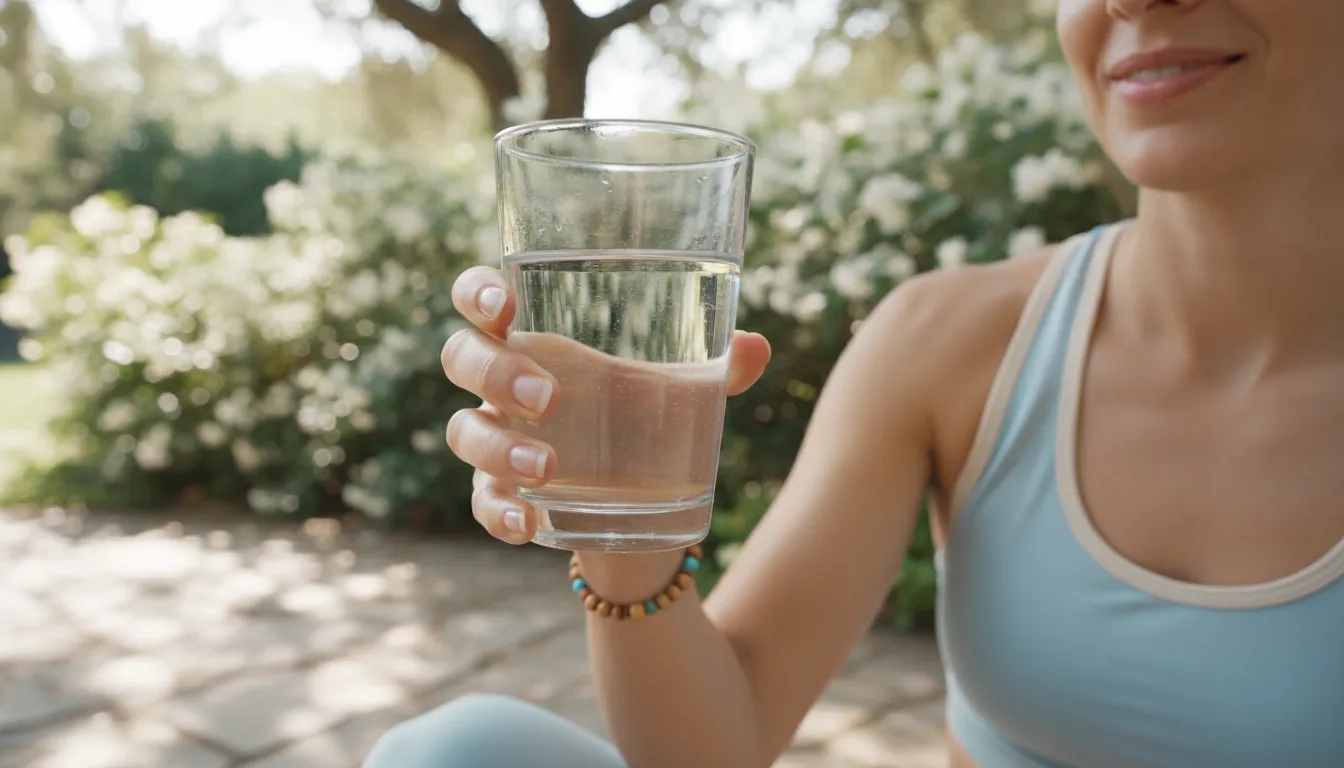
Water is one of the simplest and most powerful resources we have to support health. It doesn’t work miracles — no nutrient or habit does — but participates in so many vital processes that caring for hydration is, literally, caring for your overall functioning. And the most beautiful part is that this care can start with a small gesture: getting up and drinking a glass of water right now.
Remember that each body is unique. General guidelines are a starting point, not a rigid rule. Talk to a doctor, nutritionist, or other healthcare professional to better understand your individual needs — especially if you have any health condition or specific concern.
Caring for your body begins with everyday gestures, and hydration is one of them. May this article have been an invitation to pay more attention to this essential habit.
This content is informative and educational, and does not replace the evaluation, diagnosis, or guidance of a qualified healthcare professional. Always consult a doctor, nutritionist, or other specialist for matters related to your individual health.