Why moving your body after 60 makes all the difference
There’s an old—and quite mistaken—idea that aging means slowing down for good. As if the senior years were a phase of mandatory withdrawal, of conserving energy and avoiding any physical effort. The good news is that science points in the completely opposite direction: keeping your body in motion is one of the most studied pillars for a long and quality life.
The World Health Organization (WHO) recognizes physical activity as one of the most important factors for the health of people aged 60 and over. It’s not about competition, athletic performance, or chasing eternal youth—it’s about autonomy, energy, and real well-being in daily life. Climbing stairs without gripping the railing, playing with grandchildren on the floor, walking to the bakery: these simple moments have enormous value, and regular physical activity typically helps them happen for much longer.
This article was written to inform, support, and present what the most recent studies suggest about exercise in the senior years. It does not replace an evaluation by a doctor or another qualified health professional. Each person has a unique medical history, and any new exercise practice deserves a conversation with someone who can analyze your case individually.
What changes in the body with aging (and why it matters)
Understanding the physiological changes that accompany aging helps you better understand why movement becomes even more relevant—and not less—over the years.
From the fifth or sixth decade of life onward, the body undergoes natural transformations that include:
- Sarcopenia: progressive loss of muscle mass and strength. Studies suggest this process can intensify if sedentary behavior is predominant.
- Reduced bone density: bones tend to become less dense with age, which can increase the risk of fractures.
- Changes in balance and coordination: changes in the vestibular system, vision, and proprioception (the perception of your own body in space) often make falls a real risk.
- Decreased flexibility: joints and muscles tend to lose some elasticity, affecting range of motion.
- Cardiovascular and metabolic aspects: the heart and blood vessels also change over time, which influences aerobic capacity and metabolism.
None of these changes is a fixed fate. Regular physical activity—adapted to the conditions and needs of each person—can help slow down some of these processes and maintain functionality for much longer.
Documented benefits of physical activity in the senior years
Scientific literature is consistent in pointing out that older adults who stay physically active tend to have better quality of life in various dimensions. Below are some of the most studied benefits:
For the body
- Maintenance of muscle mass and strength: resistance exercises, such as adapted strength training and elastic band use, can help preserve muscles and improve functional capacity.
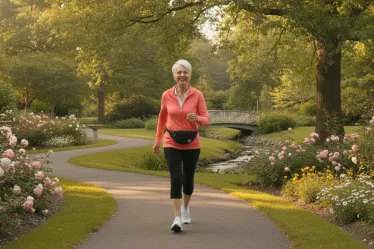
- Cardiovascular health: aerobic activities like walking, swimming, and dancing typically contribute to heart and circulation health.
- Better balance and fewer falls: specific balance exercises and lower limb strengthening are associated with reduced fall risk—one of the main public health problems among the elderly.
- Bone health: weight-bearing activities, like walking, can contribute to maintaining bone density.
- Better control of chronic conditions: studies suggest that regular exercise practice can help manage conditions such as type 2 diabetes, hypertension, and chronic joint pain, always as part of a care plan guided by professionals.
For the mind
The impact of physical activity on the mental health of older people deserves special attention. Research indicates that regular exercise may be associated with:
- Reduction in symptoms of anxiety and depression
- Improvement in sleep quality
- Contribution to cognitive health and memory
- Feelings of well-being and self-esteem
- Expanded social relationships, especially in group activities
It’s important to say: if you or someone close to you is facing intense emotional distress, seeking support from a psychologist or psychiatrist is essential. Physical activity can complement mental health care, but does not replace professional follow-up.
What activities are recommended for this life stage?
There is no single right answer—the best exercise is one that a person can do with pleasure, regularity, and safety. But some activities tend to be especially well-suited to the senior years:
| Type of activity | Examples | Main benefits |
|---|---|---|
| Low-impact aerobic | Walking, swimming, water aerobics, light cycling | Cardiovascular health, energy |
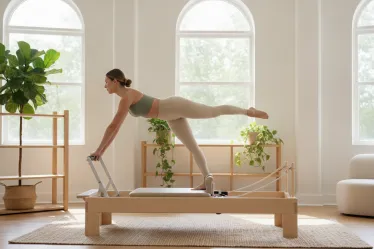
| Muscle resistance | Adapted strength training, elastic bands, pilates | Strength, muscle mass, functionality |
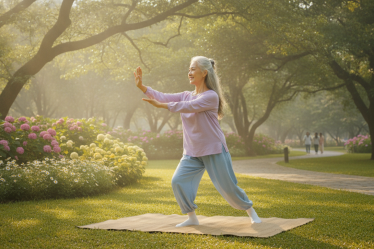
| Balance and coordination | Tai chi, adapted yoga, specific exercises | Fall prevention |
| Flexibility | Stretching, yoga, pilates | Range of motion, joint comfort |
The WHO generally recommends that adults aged 65 and older practice at least 150 to 300 minutes per week of moderate-intensity aerobic activity, in addition to muscle-strengthening exercises on two or more days per week. These are general guidelines from the organization—what is appropriate for you should be defined with your doctor or physical educator.
Essential precautions before and during exercise
Physical activity is health, but it requires attention and respect for your own body. Some important precautions:
- Consult your doctor before starting: especially if you have chronic diseases, have been sedentary for a long time, or have had recent surgery. A prior evaluation can identify limitations and guide the choice of safest activities for your case. Remember also that routine exams change according to your age—keeping checkups current is part of comprehensive care.
- Work with a qualified physical educator: a trained physical educator can guide the progression of exercises safely and adapted to your needs.
- Start slowly and progress gradually: your body needs time to adapt. Starting with light intensity and gradually increasing is a safer approach.
- Stay properly hydrated: the sensation of thirst usually decreases with age, but the need for water remains. Drink water before, during, and after exercise.
- Respect your body’s signals: pain, dizziness, intense shortness of breath, or heart palpitations are signals to stop and seek medical guidance.
- Choose appropriate environments and times: on very hot days, prefer cooler times. Well-lit environments and non-slip floors reduce risks.
- Wear appropriate clothing and footwear: sneakers with good cushioning and comfortable clothes make a difference in performance and safety.
Nutrition as a partner to movement
Exercise and nutrition go hand in hand. A balanced and varied diet can help sustain the energy needed for physical activity and contribute to muscle recovery. Foods rich in protein, fruits, vegetables, legumes, and whole grains are typically pillars of healthy eating in the senior years.
For personalized nutrition guidance, especially in case of specific health conditions, working with a nutritionist is the safest path. A good foundation to start thinking about food choices can be found in our article Balance on Your Plate Starts with Food Choices.
When to seek professional health guidance
Some situations indicate it’s time to seek medical guidance before continuing—or starting—any exercise practice:
- Chest pain during or after physical exertion
- Shortness of breath disproportionate to the activity performed
- Dizziness, fainting, or lightheadedness during exercise
- Intense or persistent joint pain
- Swelling in the legs or ankles after activity
- History of heart, respiratory, or orthopedic diseases without recent evaluation
- Any doubt about what is safe for your specific case
Seeking a geriatrician, general practitioner, cardiologist, or orthopedist—depending on the situation—is not weakness: it’s part of intelligent self-care.
Conclusion: moving is an act of self-love
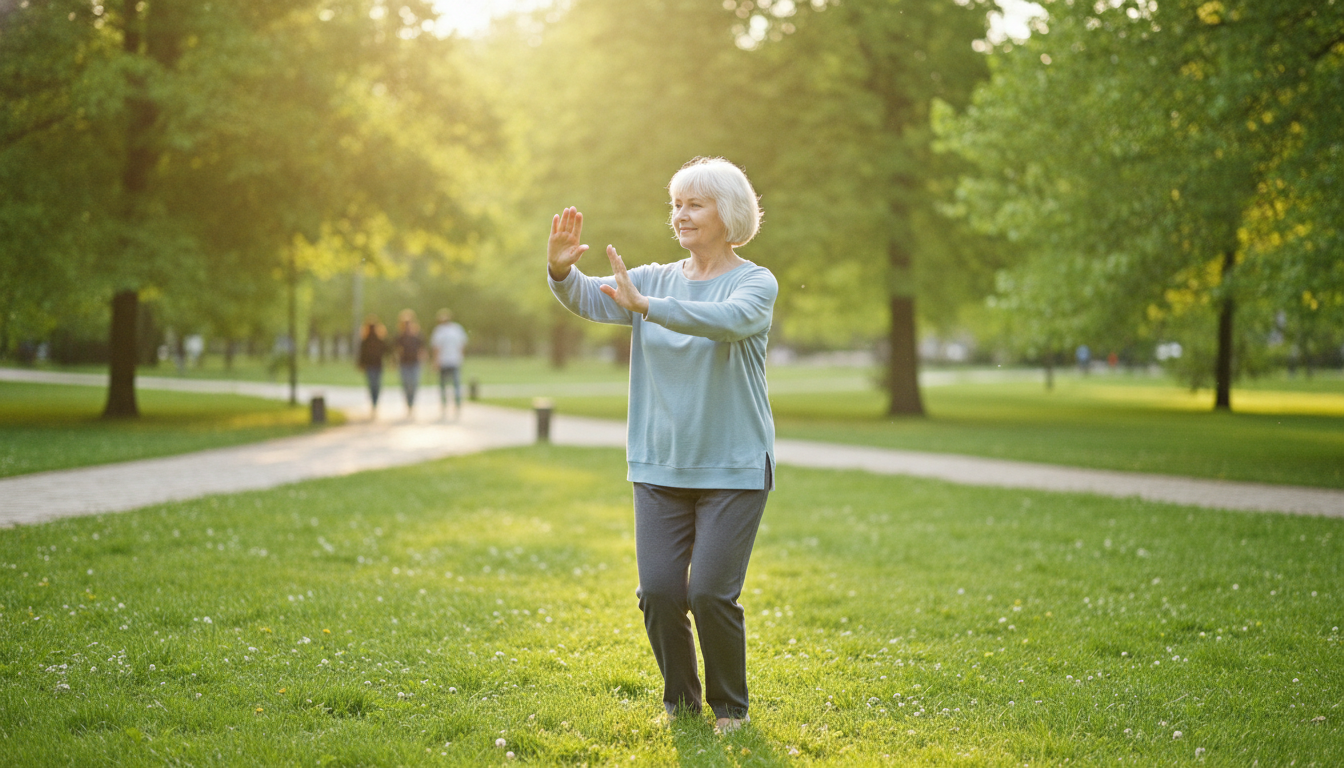
Aging with health is not a privilege of a few and doesn’t depend on perfection. It’s built day by day, with small conscious choices—and a light walk is already a start. The most important thing is to find an activity that makes sense to you, that is pleasurable, and that respects your pace and your body.
If you don’t yet practice any regular physical activity, this could be a good time to talk with your doctor about how to begin. And if you’re already in motion, congratulations—keep taking care of yourself with kindness and attention.
The senior years can be one of the richest phases of life. The body, when well cared for, accompanies this journey with much more energy than we imagine.
This content is informative and educational, produced based on recognized health guidelines. It does not replace the evaluation, diagnosis, or follow-up of a qualified health professional. Always consult your doctor, physical educator, or other qualified professional before beginning or modifying your exercise routine.