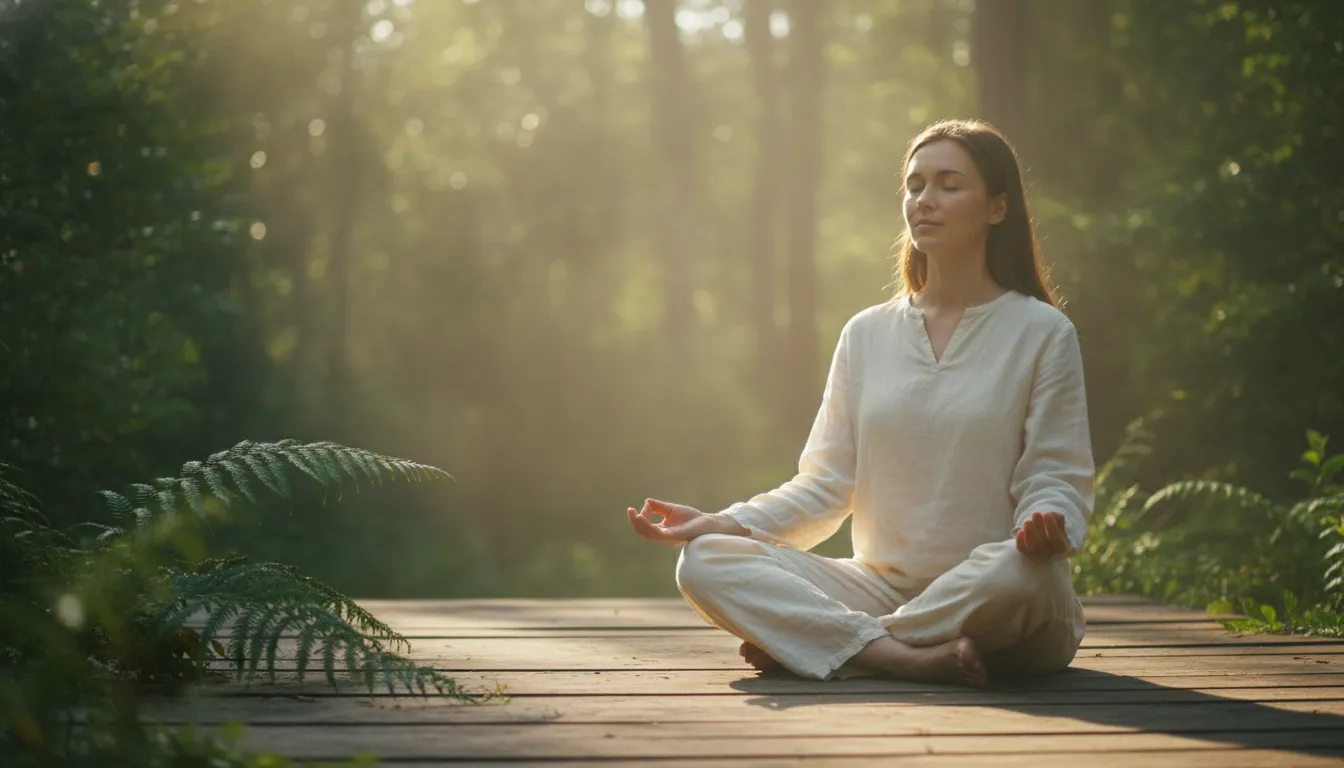
Have you ever truly stopped to notice how you are feeling right now?
In a world where notifications arrive every minute, where to-do lists seem endless, and where the mind is almost always racing to the next appointment, finding a moment of genuine presence can seem nearly impossible. In 2026, with technological acceleration and increasingly intense daily demands, interest in practices that help slow down — without needing to escape life — has grown significantly. Mindfulness, or full attention, has been increasingly studied and adopted for exactly this reason.
The good news is that you don’t need a spiritual retreat, hours of free time, or any special equipment to start. Mindfulness is, at its core, the practice of directing attention to the present moment — with openness, curiosity, and without judgment. It sounds simple, and it is — but simple does not mean easy. Like any skill, it develops with practice and patience.
This guide is created for those taking their first steps. Here you will understand what mindfulness is, what science says about its effects, how to start practically, and when to seek professional support. Take a deep breath. Let’s go together.
What is mindfulness, anyway?
The term comes from English and can be translated as full attention or full awareness. It is a way of training attention to the present moment — noticing thoughts, physical sensations, emotions, and the surrounding environment, without trying to change or judge what is happening.
Despite having roots in Buddhist contemplative traditions, the mindfulness we know in the health context was systematized by physician Jon Kabat-Zinn in the 1970s in the United States through the MBSR (Mindfulness-Based Stress Reduction) program. Since then, it has become the subject of extensive scientific research and has been incorporated by health institutions worldwide, including Brazil’s Unified Health System (SUS), within the National Policy of Integrative and Complementary Practices (PNPIC).
It’s important to be clear: mindfulness is not emptying the mind, it is not thinking about nothing, nor is it a state of perfect relaxation. It is, in fact, the training of noticing when the mind has wandered — which inevitably happens — and gently bringing it back. This redirection skill is the exercise itself.
What science says about mindfulness
In recent decades, mindfulness has been studied in hundreds of studies. It’s important to be honest: the quality of studies varies, and the field is still developing. That said, some trends appear consistently in peer-reviewed literature.
Studies suggest that regular mindfulness practices may contribute to:
- Reducing symptoms of stress and anxiety in general populations
- A healthier relationship with difficult thoughts and ruminations
- Perceived improvement in sleep quality in some groups
- Greater sense of well-being and emotional self-awareness
The World Health Organization (WHO) recognizes practices like meditation among approaches that can support mental health, especially when integrated into broader care.
To learn more about how meditation relates to mental health, check out the article Why Meditation Helps Mental Health.
Important note: mindfulness is not medical treatment and does not replace professional follow-up. People with anxiety disorders, depression, or other mental health conditions should seek guidance from a psychologist or psychiatrist before starting any structured program.
First steps: how to start practically
You don’t need to start with 30 minutes of meditation. In fact, starting small is often much more effective than trying to do too much and giving up in the first week.
1. Start with breathing
Breathing is the most accessible starting point. It is always available, free, and requires nothing but your attention.
Try it now:
- Sit in a comfortable position with your spine relatively straight.
- Close your eyes or lower your gaze.
- Direct your attention to the sensation of breathing — the air entering through the nostrils, the chest or belly expanding, the air leaving.
- When you notice the mind has wandered (and it will, guaranteed), simply note this gently and bring the focus back.
- Start with 3 to 5 minutes and gradually increase.
2. Practice informal attention in daily life
Mindfulness doesn’t have to happen only during formal meditation. You can bring full attention to everyday activities:
- While washing dishes, notice the water temperature, the sound, the contact of your hands with the utensils.
- While eating, chew slowly and notice the flavors, textures, and aromas.
- While walking, feel the contact of your feet with the ground with each step.
These micro-practices throughout the day help build the habit of presence without requiring extra time in your schedule.
3. Create a schedule and space
Consistency helps more than intensity in the beginning. Choose a time that makes sense for your routine — many people prefer right after waking up or before sleeping — and try to commit to that moment.
A quiet corner, a cushion on the floor, or simply the chair where you have your morning coffee. The space doesn’t need to be special; the ritual of sitting with intention is enough.
4. Use supports if needed
Guided meditation apps, Portuguese videos on YouTube, or local contemplative practice groups can be valuable allies, especially at the beginning. Having a guiding voice helps maintain focus when the mind is still learning to quiet down.
Common difficulties — and how to deal with them
Many people give up in the first few days thinking they “can’t meditate.” These difficulties are completely normal and part of the process.
Difficulty What usually happens How to deal “My mind won’t stop” This is not failure — it’s the starting point Every time you notice the distraction, you are already practicing “I don’t have time” Starting with 3 minutes already has value Associate the practice with something you already do (like breakfast) “I get sleepy” It’s common, especially in the beginning Try practicing with open eyes or in a sitting position “I feel physical discomfort” It may appear when we pay attention to the body Adjust the position; it doesn’t need to be immobile or uncomfortable “I don’t feel anything different” Effects tend to be gradual and subtle Observe small changes over the weeks Mindfulness and mental health: a nurturing care
Practicing full attention can be a beautiful way to develop a kinder relationship with your own mind. For many people, it is the first time they allow themselves to simply be — without producing, without solving, without performing.
This kindness to oneself tends to have a positive ripple effect: more self-compassion, less automatic self-criticism, greater ability to notice emotions before they become overwhelming.
However, it is essential to recognize that for some people — especially those living with trauma, dissociative disorders, or intense episodes of anxiety — meditation practices can bring unexpected discomfort. This does not mean that mindfulness is harmful to these people, but that professional support is even more important in these cases.
If you are going through a moment of intense suffering, know that help is available. Talking to a psychologist or psychiatrist is an act of care, not weakness. And if you are in crisis, the CVV (Centro de Valorização da Vida) offers free support at 188, 24 hours a day.
When to seek a health professional
Mindfulness is a complementary self-care practice. It does not replace medical or psychological treatment. Consider seeking professional support if:
- You experience anxiety, sadness, or difficulty functioning in daily life that persists for weeks
- Intense physical sensations appear during practice and cause concern
- You have a history of trauma and feel that certain practices awaken difficult memories
- You are using mindfulness as the only strategy to deal with a diagnosed disorder
- You have doubts about whether the practice is suitable for your life stage
A psychologist can integrate mindfulness techniques into a therapeutic process in a personalized and safe way. Doctors and psychiatrists can assess if there are conditions that require other types of care.
Conclusion: presence is a gift you give yourself
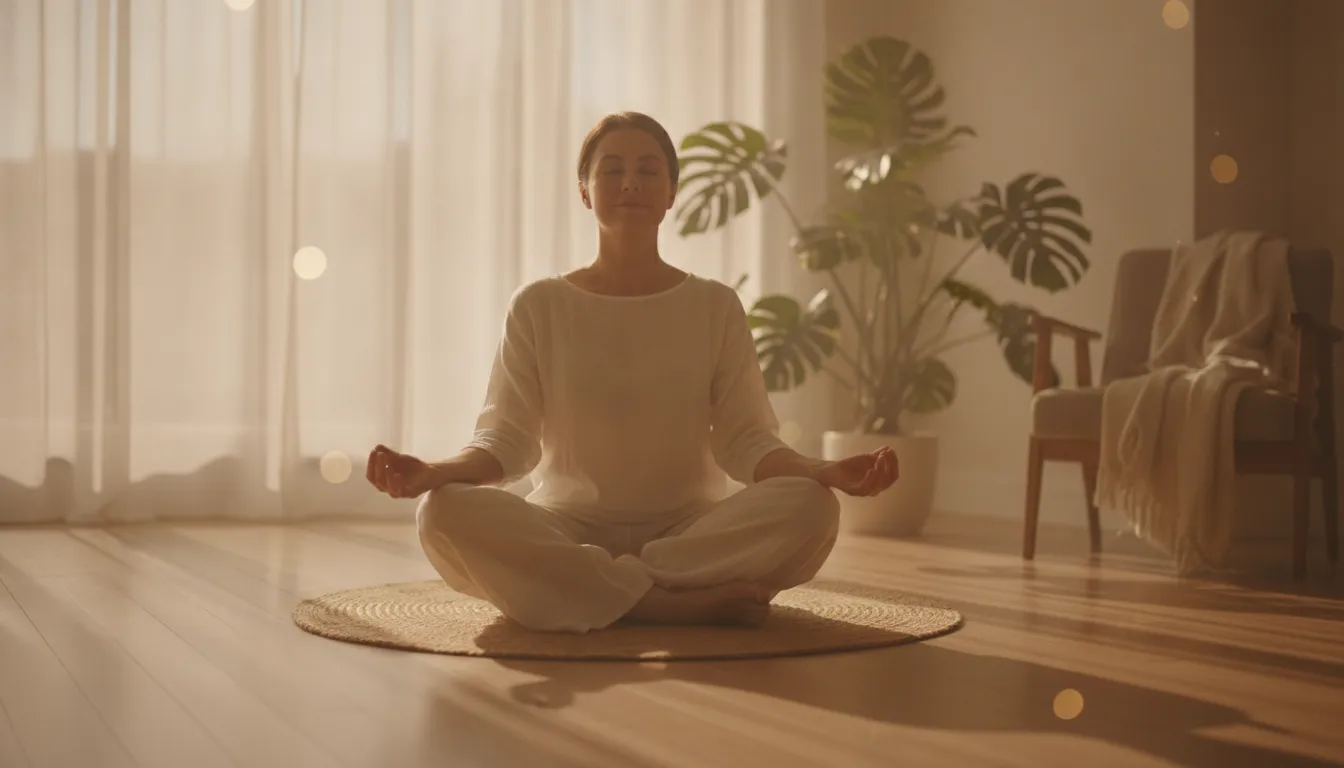
Starting a mindfulness practice is, above all, a gesture of care. It doesn’t need to be perfect. It doesn’t need to be long. It doesn’t need to happen in absolute silence with candles lit (although candles are always welcome if you wish).
What matters is the intention to turn to the present moment — to notice what is happening inside and around you, with curiosity and without judgment. This exercise, repeated regularly, tends to contribute to a life with more clarity, lightness, and connection.
Take the first step today. Three minutes are enough to start.
This content is for informational and educational purposes only. It does not replace the evaluation, diagnosis, or follow-up of a health professional. Each person has unique needs — always consult a doctor, psychologist, or other qualified professional for individualized guidance.
Recommended Articles