
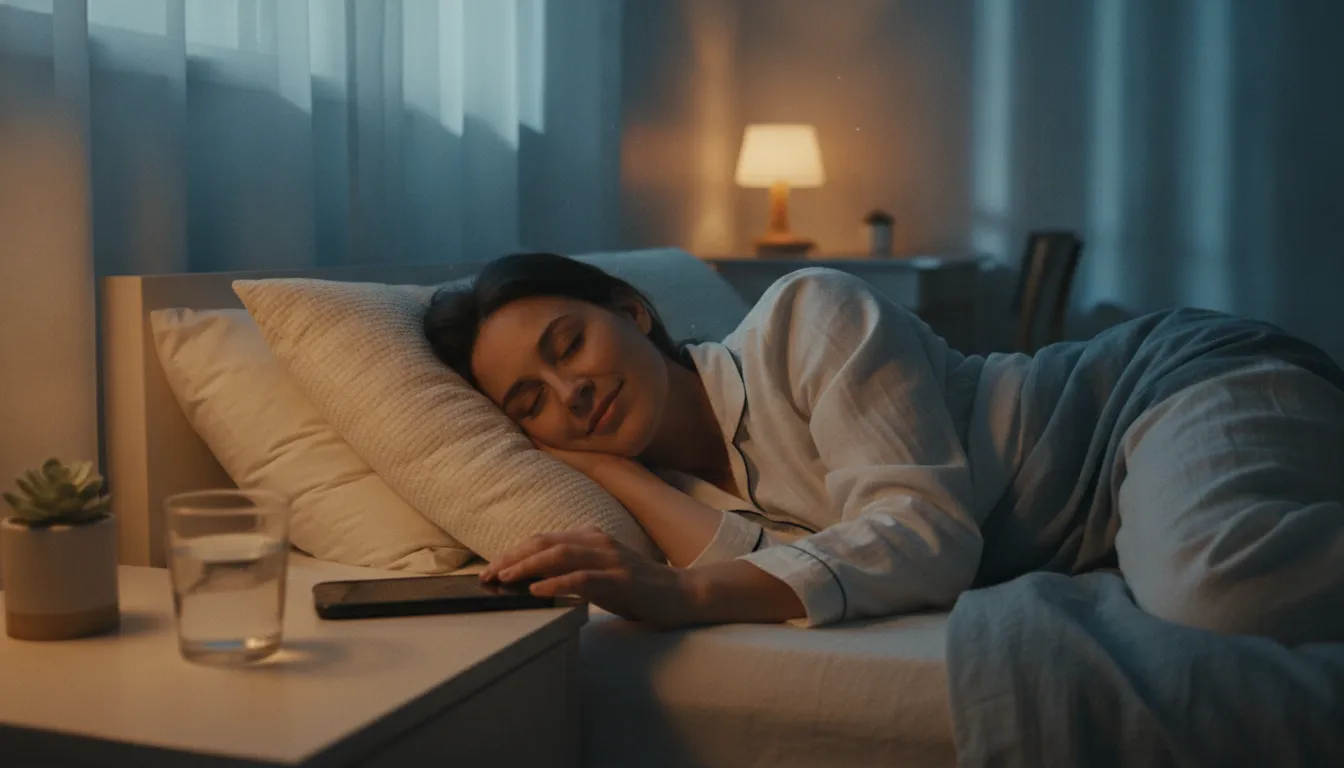
Does Using Your Phone Before Bed Affect Sleep Quality?
You lie in bed, turn off the lights, and… open your phone. “Just five more minutes.” Forty-five minutes later, you’re still scrolling through your feed, watching videos, or replying to messages. This scene is familiar to many, and in 2026, with screens increasingly present at all times of the day, the habit of using a smartphone before bed has become almost automatic. But what happens in your body and mind during this nighttime screen time?
The issue goes beyond simply “staying up later.” Studies published in sleep and chronobiology journals suggest that exposure to electronic device light at night can interfere with biological processes that regulate sleep in quite concrete ways. Understanding these mechanisms — without alarmism, but with honesty — can help you make more conscious decisions about your own routine.
In this article, we explore what current science has to say about using your phone before bed, how it can affect different aspects of sleep, and what usually helps those looking to improve this habit. Remember: this content is educational and general. Each person has a unique story, routine, and body — so if you have persistent sleep difficulties, talking to a healthcare professional makes all the difference.
What Happens in Your Brain When You Look at the Screen at Night
To understand the problem, you need to know a central character: melatonin. This hormone, produced by the pineal gland, plays a fundamental role in regulating the sleep-wake cycle — the famous circadian rhythm. Under natural conditions, with the arrival of darkness, the body starts to produce more melatonin, signaling to the body that it’s time to rest.
The point of concern with screens is a specific type of light: blue light, emitted in large quantities by smartphones, tablets, and computers. Research in the field of chronobiology suggests that this wavelength is particularly effective at suppressing melatonin production because the photosensitive cells in the retina — called melanopsin-containing ganglion cells — are especially sensitive to it.
When you use your phone in a dark room before bed, you’re essentially sending your brain a signal that it’s still daytime. The result can be a delay in melatonin release, making it harder to fall asleep and potentially compromising overall sleep quality. It’s worth noting that the intensity and distance of the screen also matter: very bright screens close to the face tend to have a greater impact.
More Than Just Light: The Role of Content We Consume
The issue isn’t just about the light emitted by the device. The type of content we consume before bed can also influence sleep quality. Checking work emails, reading impactful news, or engaging in heated discussions on social media are activities that tend to increase mental alertness — exactly the opposite of what the body needs to enter restorative sleep.
Additionally, dopamine comes into play. Digital platforms are designed to hold our attention, generating small doses of reward with each new post, video, or notification. This cycle of stimulation can make it difficult to “turn off” the mental activation state even when we place the phone on the bedside table.
This doesn’t mean that every nighttime interaction with your phone is equally harmful. Listening to a relaxing playlist, a calm podcast, or an audiobook, for example, may have a different impact than watching stimulating videos or browsing social media. Context matters — and paying attention to how you feel after each type of use can be a valuable first step.
What Studies Suggest About Sleep and Screens
The relationship between nighttime screen use and sleep quality has been studied with increasing interest. Generally, the scientific literature available until 2026 points to some trends:
- Difficulty falling asleep: using devices close to bedtime seems associated with a longer time to initiate sleep in some studied groups.
- Reduction of REM sleep: Rapid Eye Movement (REM) sleep is important for processes like memory consolidation and emotional regulation. Some studies suggest that sleep deprivation caused by screen use may compromise the amount of time in this phase.
- Daytime sleepiness: sleeping less or with poorer quality can result in fatigue and difficulty concentrating during the day.
- Impact on teenagers: researchers have paid special attention to children and teenagers, whose circadian rhythms are naturally later and who may be particularly vulnerable to the effects of nighttime screen use.
It’s important to note that many studies in this area have limitations — such as small samples, varied methodologies, and difficulty isolating the effect of screens from other lifestyle factors. In other words, science points to relevant trends, but there is still much to be explored. The message isn’t “the phone destroys your sleep,” but rather that there are biological and behavioral reasons to consider this habit carefully.
Strategies That Often Help with Sleep Hygiene
“Sleep hygiene” is the term used by experts to describe a set of habits and conditions that often contribute to better sleep quality. Below are some practices that the literature in the area frequently mentions as potentially beneficial — without any of them being a magic or guaranteed solution:
- Establish a “screen break” time: many sleep specialists suggest avoiding electronic devices 30 to 60 minutes before bed. This time can help the body start the transition to rest.
- Activate warm light or night mode: some devices offer settings that reduce blue light emission at night. Although this doesn’t completely eliminate the stimulus, it can be a useful intermediate measure.
- Reduce screen brightness: in addition to the blue light filter, reducing the device’s brightness at night is usually recommended.
- Create a relaxation ritual: replacing the phone with a more tranquil activity — such as reading a physical book, mindful breathing, or a simple mindfulness practice — can help the nervous system gradually calm down.
- Keep the phone out of the bedroom (or away from the bed): for many people, the mere presence of the device within reach is an invitation to use it. Charging the phone in another room can reduce the impulse.
- Adjust notifications: silencing non-urgent notifications at night reduces interruptions and the temptation to check the device when you should be sleeping.
- Maintain regular schedules: waking up and going to bed at similar times every day — including weekends — usually contributes to circadian rhythm stability.
Mental Health and the Vicious Cycle of Poor Sleep
It’s hard to talk about sleep without mentioning mental health. Anxiety, stress, and worries often “invade” bedtime — and the phone often serves as a temporary escape from this discomfort. The problem is that this strategy can end up reinforcing the cycle: phone use harms sleep, poor sleep increases irritability and anxiety, which in turn makes it harder to fall asleep.
If you notice that nighttime phone use is linked to difficulty “turning off” racing thoughts or feelings of anxiety, it’s worth looking at this with attention and care. Relaxation techniques and meditation practices are often mentioned in studies as useful complements for people dealing with difficulties relaxing before sleep — although they do not replace professional evaluation when the problem is persistent.
Always remember: seeking support from a psychologist or trusted individuals is not a weakness. It’s an act of self-care.
When to Seek a Healthcare Professional
Occasional sleep difficulties happen to almost everyone at some point in life. However, some signs deserve attention and indicate that it’s time to talk to a doctor or another healthcare professional:
- Chronic difficulty falling or staying asleep (for weeks or months)
- Excessive daytime fatigue even after seemingly sufficient sleep hours
- Very loud snoring or reports of breathing pauses during sleep (may indicate sleep apnea)
- Mood, concentration, and memory changes associated with fatigue
- Intense anxiety or distress related to bedtime
- Significant emotional distress that hinders daily functioning
A doctor specializing in sleep medicine, a general practitioner, or a psychologist can offer appropriate evaluation and personalized guidance. Don’t hesitate to seek this help if needed.
Conclusion
Using your phone before bed is a very common habit, and as we’ve seen, there are biological and behavioral reasons to believe it can interfere with sleep quality. But the message doesn’t have to be one of guilt or all-or-nothing. Small, gradual changes in the nighttime routine — made with patience and self-care — are usually more sustainable than radical transformations.
Observe how you feel. Try adjusting one habit at a time. And above all, remember that taking care of your sleep is a concrete way to take care of your physical and mental health. You deserve more peaceful nights.
This content is informative and educational and does not replace evaluation, diagnosis, or treatment by a healthcare professional. Consult a doctor, psychologist, or other specialist for guidance appropriate to your specific case.
- Excessive daytime fatigue even after seemingly sufficient sleep hours
- Chronic difficulty falling or staying asleep (for weeks or months)
- Maintain regular schedules: waking up and going to bed at similar times every day — including weekends — usually contributes to circadian rhythm stability.
- Adjust notifications: silencing non-urgent notifications at night reduces interruptions and the temptation to check the device when you should be sleeping.
- Keep the phone out of the bedroom (or away from the bed): for many people, the mere presence of the device within reach is an invitation to use it. Charging the phone in another room can reduce the impulse.
- Create a relaxation ritual: replacing the phone with a more tranquil activity — such as reading a physical book, mindful breathing, or a simple mindfulness practice — can help the nervous system gradually calm down.
- Reduce screen brightness: in addition to the blue light filter, reducing the device’s brightness at night is usually recommended.
- Activate warm light or night mode: some devices offer settings that reduce blue light emission at night. Although this doesn’t completely eliminate the stimulus, it can be a useful intermediate measure.
- Reduction of REM sleep: Rapid Eye Movement (REM) sleep is important for processes like memory consolidation and emotional regulation. Some studies suggest that sleep deprivation caused by screen use may compromise the amount of time in this phase.