
Introduction
Have you ever wondered why so many health professionals emphasize fiber? Whether in consultations with nutritionists, health campaigns, or scientific articles, dietary fibers repeatedly appear as an essential component of a balanced diet. But what do they really do inside our bodies? Why do they deserve so much attention?
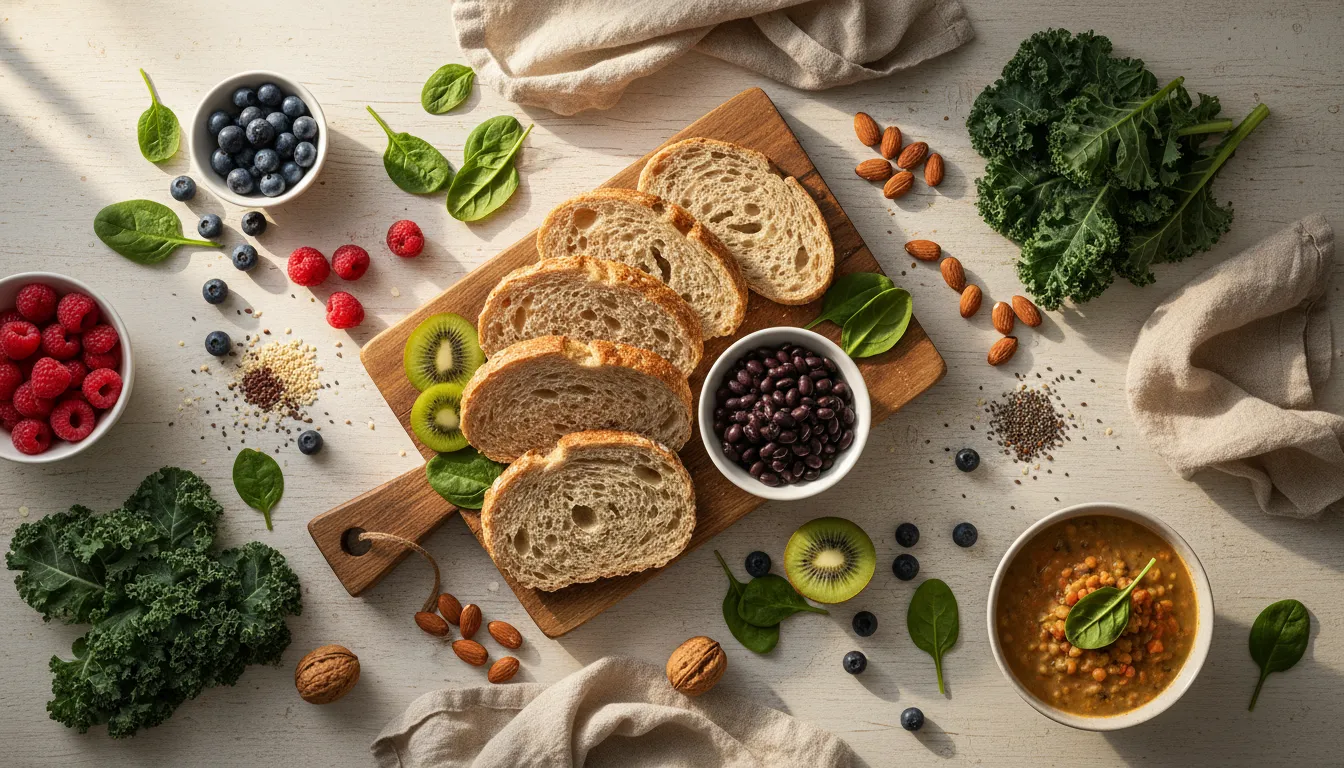
The answer goes far beyond what most people imagine. Dietary fibers — found in fruits, vegetables, legumes, whole grains, and seeds — are structures that our bodies cannot completely digest. This, which may seem like a “flaw” at first glance, is actually one of their greatest strengths. It is precisely because they are not digested that they have so many positive effects throughout the digestive tract and, surprisingly, far beyond.
In this article, we will explore in an accessible and evidence-based manner what science knows so far about the benefits of fibers for the human body. The goal here is purely educational: to help you better understand the topic to make more informed dietary choices. As always, each person has individual needs, and a nutritionist or doctor is the ideal professional to guide your dietary routine in a personalized way.
What are dietary fibers, after all?
Dietary fibers are a type of carbohydrate naturally found in plant-based foods. Unlike starch and sugar, they are not absorbed by the small intestine and reach the large intestine almost intact. They are divided into two main groups:
- Soluble fibers: dissolve in water and form a gel-like substance in the intestine. They are found in oats, apples, oranges, carrots, beans, and flaxseeds, for example.
- Insoluble fibers: do not dissolve in water and help add bulk to stools. They are found in wheat bran, fruit skins, vegetables, and whole grains.
Most plant foods contain both types of fiber in varying proportions. A varied diet tends to ensure the intake of both types naturally.
The Gut Thanks You: Focus on Digestive Health
The most well-known benefit of fibers is their role in bowel function. Insoluble fibers increase the volume and softness of stools, which usually contributes to more regular and comfortable bowel movements. Soluble fibers, on the other hand, feed the beneficial bacteria that inhabit the large intestine — an ecosystem known as the gut microbiota.
This microbiota is a community of trillions of microorganisms that play a fundamental role not only in digestion but also in the immune system and, according to more recent research, even in mental well-being. When beneficial bacteria feed on fibers, they produce substances called short-chain fatty acids, such as butyrate, which seem to have protective effects on the intestinal mucosa.
Studies published in gastroenterology journals suggest that a fiber-rich diet may be associated with a lower risk of some intestinal problems. However, it’s important to remember that correlation is not causation, and any persistent digestive symptoms should be evaluated by a doctor.
Fibers and the Feeling of Fullness
Anyone who has eaten a bowl of oatmeal for breakfast has probably noticed that hunger took longer to appear. This is no coincidence. Soluble fibers, by forming that viscous gel in the stomach and small intestine, slow gastric emptying — meaning the food stays in the stomach longer, prolonging the feeling of fullness.
Additionally, this slower digestion process can help moderate blood glucose spikes after meals. Studies suggest that diets higher in fibers may be associated with a more balanced glycemic response, which is relevant for overall metabolic health.
It’s worth emphasizing: this does not mean that fibers are a “solution” for weight control or any health condition. The context of the entire diet matters, and a health professional can assess what makes sense for each individual.
What Do Studies Say About Cardiovascular Health?
The relationship between dietary fibers and heart health is one of the most studied in scientific literature. Organizations like the World Health Organization (WHO) and various cardiology societies worldwide include adequate fiber consumption in their healthy eating recommendations for cardiovascular health.
Soluble fibers, in particular, have been associated with reducing LDL cholesterol levels (the so-called “bad cholesterol”) in several studies. The most accepted mechanism is that the gel formed by fibers can bind to bile salts in the intestine, reducing their reabsorption and thus stimulating the liver to use more cholesterol to produce new bile salts.
Moreover, a fiber-rich diet is usually naturally rich in other protective nutrients — such as vitamins, minerals, and bioactive compounds present in fruits, vegetables, and whole grains. It’s difficult to isolate the effect of fibers from this entire set. Therefore, the most honest message is: a varied diet rich in whole plant foods seems beneficial for heart health, and fibers are an important part of this package.
The Gut-Brain Connection: Well-Being Beyond the Physical
One of the most fascinating research fields in recent years is the so-called gut-brain axis. Studies have been suggesting that the gut microbiota — strongly influenced by the amount of fibers we consume — can communicate with the central nervous system in ways we are just beginning to understand.
Preliminary research indicates that gut health may be related to aspects of mood and mental well-being. While it’s too early to assert cause-and-effect relationships with certainty, these findings reinforce the idea that taking care of one’s diet can be part of an integrated approach to health care — both physical and mental.
Speaking of mental health: it deserves the same attention we give to the physical body. If you want to learn more about the topic, the article Mental Health: What It Is and Why It Deserves Attention can be a good starting point.
How to Include More Fibers in Your Daily Diet?
The good news is that you don’t need to make major changes or adopt a restrictive diet to increase fiber intake. Small swaps and additions throughout the day can already make a difference. Here are some practical suggestions:
- Choose whole versions of bread, rice, pasta, and cookies when possible.
- Keep the skin on fruits like apples, pears, and cucumbers when eating (when well washed).
- Include legumes — beans, lentils, chickpeas, peas — in meals throughout the week.
- Add seeds like flaxseed, chia, or sesame to yogurts, salads, or smoothies.
- Vary the vegetables on your plate: leafy greens, cooked and raw vegetables contribute different types of fiber.
- Opt for oats: they can be included in breakfast, pancakes, or even soups.
- Increase consumption gradually and drink plenty of water — a sudden increase in fibers without adequate hydration can cause temporary intestinal discomfort.
These are general suggestions for a balanced diet. A nutritionist can guide more specific choices for your reality, preferences, and health needs.
When to Seek a Health Professional?
While fibers are part of a healthy diet for most people, there are situations where it’s important to seek guidance before making significant dietary changes:
- If you have intestinal diseases like irritable bowel syndrome, Crohn’s disease, colitis, or diverticulitis — in these cases, the amount and type of fiber should be evaluated by a doctor or nutritionist.
- If you experience persistent digestive symptoms like abdominal pain, changes in bowel habits, bleeding, or unexplained weight loss.
- If you have diabetes, kidney, or cardiovascular diseases and want to adjust your diet — professional guidance is essential.
- If you are taking medications, as some may have their absorption altered by fibers.
- If you are a child, adolescent, pregnant woman, or elderly — groups with specific nutritional needs that deserve individualized guidance.
For any questions about diet, a nutritionist is the professional qualified to offer personalized guidance. A doctor can also be consulted when symptoms or health conditions are involved.
Conclusion
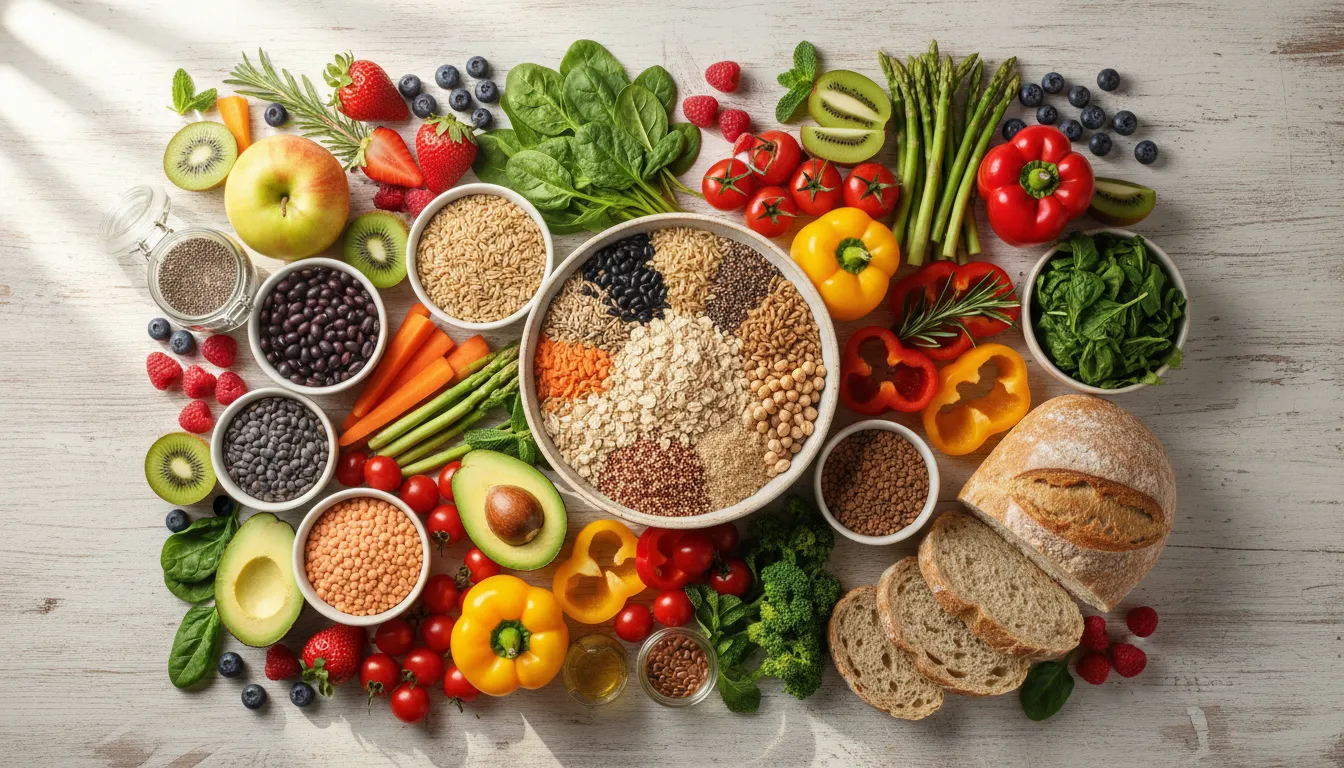
Dietary fibers are, without exaggeration, one of the most well-studied and consistently recommended elements in evidence-based nutrition. They contribute to bowel function, seem to promote satiety, are associated with better cardiovascular and metabolic health indicators, and even feed the ecosystem of bacteria that inhabit our intestines — with possible repercussions beyond the digestive system.
The best strategy is not obsession or strict counting, but rather a varied, colorful diet based primarily on whole plant foods. Fruits, vegetables, legumes, whole grains, and legumes are accessible and delicious allies that are part of Brazilian food culture — from beans and rice to papaya at breakfast.
Take care of yourself with affection and without pressure. Each small choice over time is what truly builds health. And remember: you don’t have to do it alone. Relying on health professionals is a gesture of self-care.
This content is informative and educational and does not replace the evaluation of a health professional. In case of questions about diet, digestive health, or any health condition, seek a trusted doctor or nutritionist.