

Have you ever noticed how a walk in the park or a dance class can completely change your mood? That feeling of lightness that arises after moving is neither a coincidence nor an illusion. For decades, researchers worldwide have been investigating the relationship between physical activity and emotional well-being, and what studies reveal is quite encouraging: the body and mind function much more integrally than previously imagined.
In 2026, this understanding gained even more traction in public health discussions. Organizations like the World Health Organization (WHO) emphasize in their guidelines that regular physical activity contributes not only to heart, bone, and muscle health but also to emotional balance and quality of life. In a scenario where stress, anxiety, and burnout are part of many people’s routines, understanding this connection can be a valuable starting point.
This article does not aim to offer ready-made solutions or transformation promises. The goal is to share, honestly and supportively, what science suggests about how movement can impact mood—and how you can use this knowledge to better care for yourself, always in consultation with health professionals.
What Happens in the Brain When You Move
When the body moves, a series of biochemical processes begin to occur in the brain. One of the most well-known is the release of endorphins, neurotransmitters associated with the sensation of pleasure and discomfort relief. But the effect of exercise goes beyond the “runner’s high,” as this phenomenon is popularly called.
Studies suggest that physical activity can also influence levels of serotonin and dopamine, substances that play an important role in regulating mood, motivation, and sleep. Additionally, research indicates that exercise can help reduce levels of cortisol, the hormone related to stress, especially when practiced regularly and moderately.
Another interesting aspect concerns BDNF (brain-derived neurotrophic factor), a protein that some researchers associate with neuron health and brain plasticity. Although this field is still developing and many questions remain open, the trend observed in different studies is positive.
What Science Says: Commonly Observed Benefits
It’s important to be honest: science does not guarantee that exercise works the same way for everyone. What studies usually show are trends and associations, not absolute certainties. That said, the findings are consistent enough to deserve attention.
Among the benefits most frequently reported in research and recognized by health organizations are:
- Reduction of mild to moderate anxiety symptoms: various literature reviews suggest that regular physical activity can help reduce feelings of tension and excessive worry in people with mild to moderate levels of anxiety.
- Contribution to depression management: the WHO recognizes physical activity as a component that can be part of comprehensive care in cases of depression, always in conjunction with appropriate professional support.
- Improvement in sleep quality: moving during the day often contributes to more restorative sleep at night, which in itself positively impacts mood and disposition.
- Increased sense of self-efficacy: completing a physical activity, no matter how small, can reinforce the perception that we are capable of overcoming challenges, which directly reflects on emotional well-being.
- Reduction of social isolation: group activities, such as classes or sports, offer opportunities to connect with others, a fundamental factor for mental health.
Which Type of Exercise is Best for Mood?
The good news is that there is no single modality superior to all others when it comes to emotional well-being. What studies suggest is that consistency matters more than intensity.
Some options that frequently appear in research on mental health and exercise:
- Walking: accessible, low-impact, and with favorable evidence for stress and anxiety reduction.
- Yoga and mind-body practices: combine movement, breathing, and mindfulness, and studies indicate they can help reduce emotional tension.
- Moderate aerobic exercises: light running, swimming, cycling—modalities that sustainably elevate heart rate and seem especially linked to mood improvement.
- Strength training and resistance exercises: in addition to known physical benefits, more recent research suggests they may contribute to reducing symptoms of depression and anxiety.
- Dance: combines movement, rhythm, and often socialization—a combination that tends to be quite favorable to well-being.
The most important thing is to find something you enjoy doing. An enjoyable activity is much more likely to become a sustainable habit than one you see as an obligation.
How to Start: Simple and Realistic Steps
If you don’t yet have the habit of exercising, or if you’ve been away from it for some time, starting slowly is the smartest path. Here are some suggestions:
- Consult a health professional before starting. Especially if you have pre-existing health conditions, undergoing a medical evaluation is an essential step.
- Start with small goals. A 15 to 20-minute walk a few times a week can already make a difference. It’s not necessary to start with intense workouts.
- Choose something you enjoy. Dance, hiking, swimming, soccer with friends—pleasure is a powerful ally of consistency.
- Create a gradual routine. Increasing frequency and duration gradually reduces the risk of injury and discouragement.
- Observe how you feel. Pay attention to changes in mood, sleep, and energy over the weeks. This can be motivating.
- Be kind to yourself. Days without exercise happen and are part of life. What matters is to resume without guilt.
- Consider group activities. The presence of others can increase motivation and a sense of belonging.
The Connection with Diet and Sleep
Exercise does not act in isolation. It is part of a set of habits that, together, tend to support well-being. A balanced and varied diet, rich in whole foods, provides the nutrients the body and brain need to function well. If you want to explore more about how diet can support your overall health, check out the article Why Fiber-Rich Foods Are Good for the Body.
Sleep, in turn, is one of the most underestimated pillars of mental health. When we sleep poorly, our stress tolerance decreases, mood swings more, and the willingness for any activity—including exercise—plummets. Regular physical activity tends to help improve sleep, but it’s also worth taking care of the nighttime routine more broadly.
Exercise and Mental Health: Important Considerations
Exercise can be a valuable ally in emotional care, but it’s essential to understand its limits. It does not replace the guidance of a psychologist, psychiatrist, or other mental health professionals—especially when there are symptoms of depression, anxiety, or other disorders that require specialized attention.
To deepen your understanding of the topic, it’s worth reading Mental Health: What It Is and Why It Deserves Attention.
If you are going through a time of intense suffering, know that you don’t have to face it alone. Talking to someone you trust, seeking a psychologist or psychiatrist, and seeking support are acts of courage, not weakness. In crisis situations, the CVV (Centro de Valorização da Vida) is available 24 hours a day at the number 188 (free call throughout Brazil). In emergencies, seek the nearest health service.
When to Seek a Health Professional
Exercise is safe for the vast majority of people, but there are situations where professional guidance is indispensable:
- If you have a diagnosis of any cardiac, metabolic, orthopedic, or other health condition that may be affected by physical exertion.
- If you feel pain, dizziness, intense shortness of breath, or any unusual symptoms during or after exercise.
- If you notice that your mental health is worsening, with persistent symptoms of deep sadness, intense anxiety, difficulty functioning daily, or distressing thoughts.
- If you want personalized guidance on the frequency, intensity, and type of exercise most suitable for your profile.
Physical educators, physiotherapists, sports doctors, psychologists, and psychiatrists are some of the professionals who can help build a care plan that makes sense for your reality.
Conclusion: Movement as an Act of Care
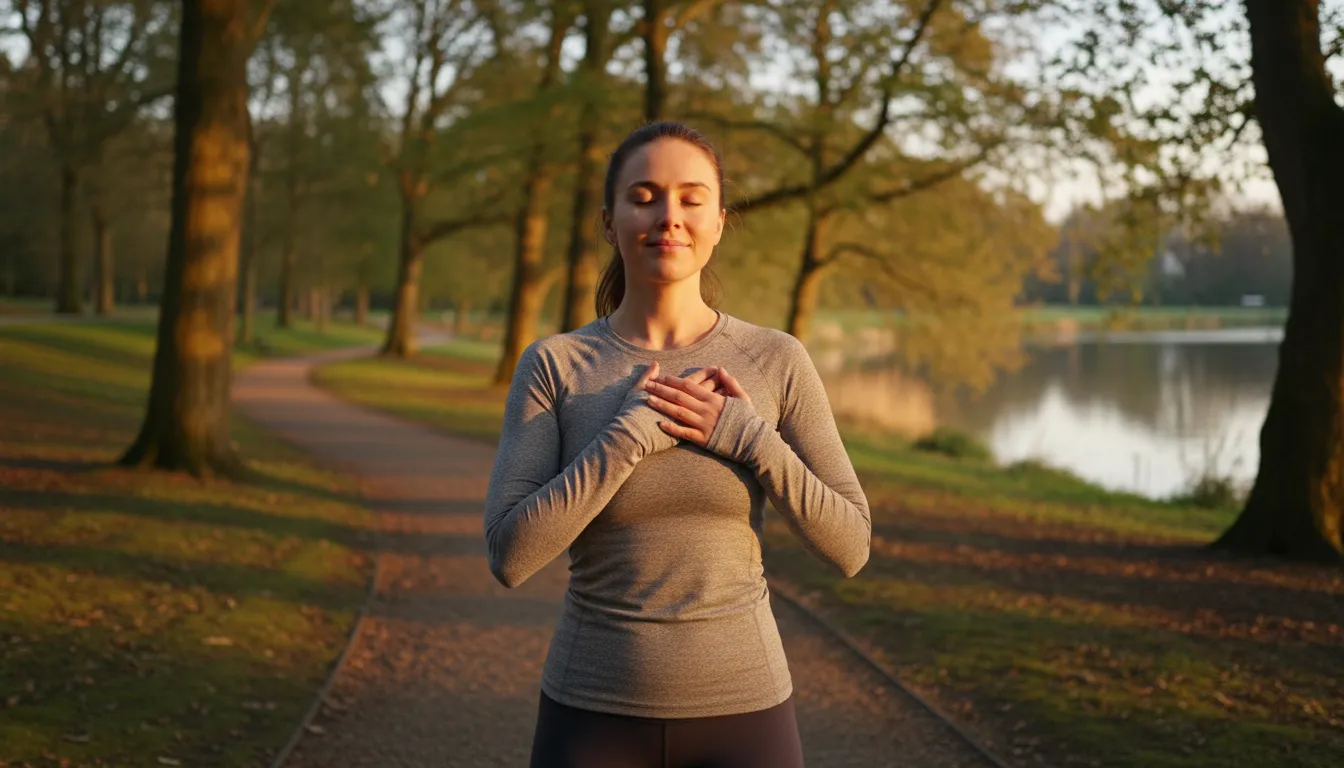
Caring for the body and mind does not have to be a daunting or perfect task. Every step taken—literally—can be a way to reconnect with yourself, relieve accumulated tension, and cultivate a more balanced internal state.
Exercise is not a magic solution, but it is a powerful, accessible tool with growing scientific support. Whether it’s a walk at sunset, a yoga class, or a workout with friends, movement has the potential to genuinely touch your emotional well-being.
Start with what you have, at the pace your body requests, and allow yourself to discover what makes sense for you. And whenever needed, remember that health professionals are available to support this journey.
This content is informative and educational and does not replace the evaluation, diagnosis, or follow-up of a health professional. Each person has individual needs that should be discussed with a doctor, psychologist, or other qualified professional.
- Start with small goals. A 15 to 20-minute walk a few times a week can already make a difference. It’s not necessary to start with intense workouts.
- Yoga and mind-body practices: combine movement, breathing, and mindfulness, and studies indicate they can help reduce emotional tension.
- Contribution to depression management: the WHO recognizes physical activity as a component that can be part of comprehensive care in cases of depression, always in conjunction with appropriate professional support.