
Why Fiber Deserves a Spot on Your Plate
Have you noticed how small dietary choices can profoundly affect how we feel? Among the many nutrients that make up a balanced diet, dietary fiber is often underestimated — yet it is among the most studied elements when it comes to long-term health.
Fiber does not provide direct energy to the body, but it acts in fascinating and varied ways within our system. From intestinal function to blood sugar balance, studies published in reputable scientific journals and guidelines from organizations like the World Health Organization (WHO) and Brazil’s Ministry of Health have long emphasized the importance of this component for the general health of the population.
In this article, we will explore what fiber is, where to find it, and how it typically contributes to physical and even mental well-being — always remembering that the information here is educational and general, and that each person has unique needs that deserve individualized attention from a health professional.
What Are Dietary Fibers and Why Do They Matter?
Dietary fibers are complex carbohydrates found in plants that the human body cannot completely digest. Unlike other nutrients, they pass through the digestive tract without being fully absorbed — and it is precisely in this process that much of their value lies.
There are two main groups:
- Soluble fibers: dissolve in water, forming a gel in the intestine. They are found in foods like oats, beans, peas, apples, and carrots.
- Insoluble fibers: do not dissolve in water and help increase stool bulk, facilitating intestinal transit. They are present in foods like wheat bran, whole grains, nuts, and the skins of fruits and vegetables.
In practice, most fiber-rich foods contain a combination of both types, making variety on the plate especially beneficial.
Main Dietary Sources of Fiber
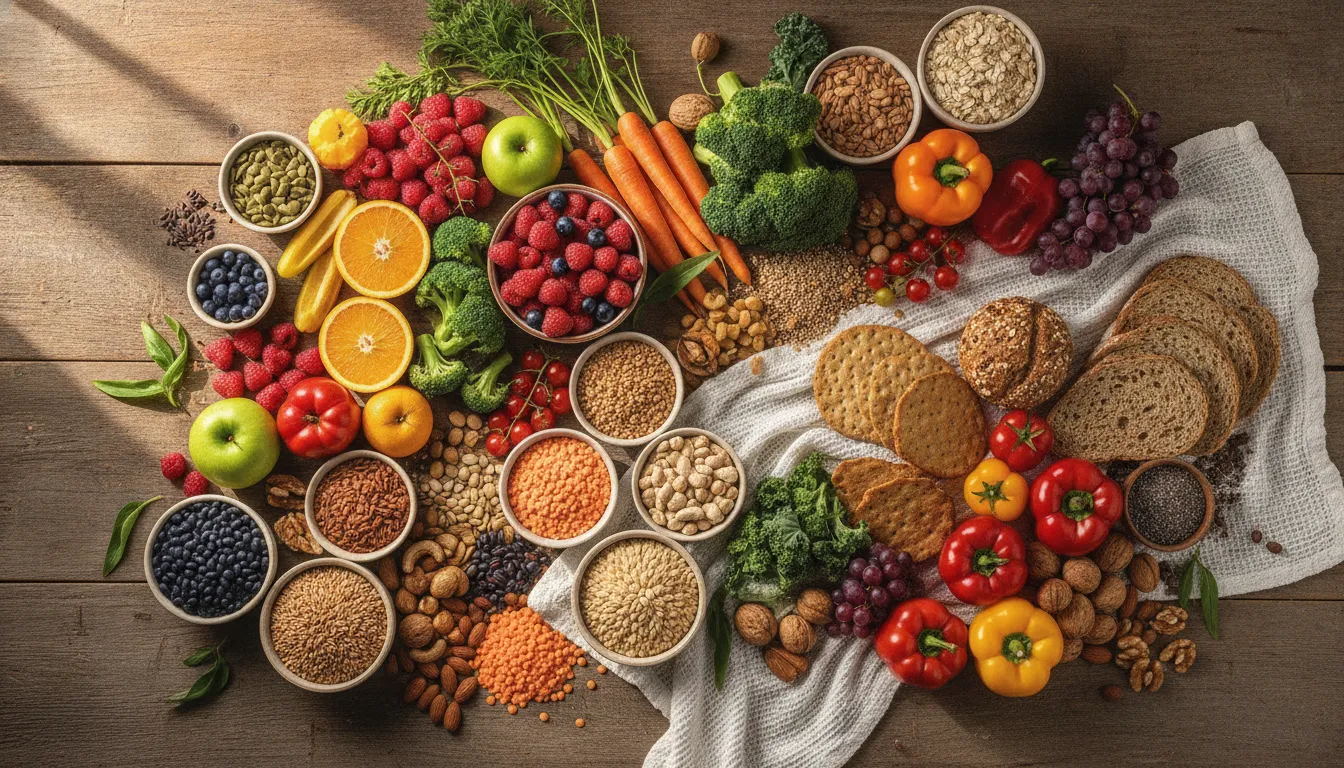
One of the good news about fiber is that it is present in accessible and tasty foods. Here are some standout sources:
Legumes
- Beans, lentils, chickpeas, and peas are among the richest sources of fiber available in Brazilian cuisine. Beans, in particular, are a culturally rooted and nutritionally valuable food.
Whole Grains
- Oats, brown rice, quinoa, barley, and whole-grain bread are great options to replace refined versions in daily life.
Fruits
- Mango, banana, apple (with skin), pear, orange, and papaya are examples of fruits with good fiber content and widely available in Brazil throughout the year.
Vegetables
- Broccoli, kale, spinach, pumpkin, beetroot, and carrots are vegetables that combine fiber with a host of other important nutrients.
Seeds and Nuts
- Chia, flaxseed, almonds, and nuts also contribute to fiber intake, in addition to offering healthy fats.
Diversity is the key: the more varied the sources of fiber in the diet, the greater the benefit to the body.
Benefits Suggested by Studies for Regular Fiber Consumers
The scientific literature on dietary fiber is extensive and continues to grow. Below, we have compiled some of the most consistently pointed out benefits by research and recognized by health organizations:
Intestinal Health
Adequate fiber intake usually contributes to regular bowel function, reducing discomforts like constipation. Insoluble fibers, in particular, help add bulk and consistency to stools, facilitating elimination.
Intestinal Microbiota
Soluble fibers act as prebiotics — that is, they serve as “food” for the beneficial bacteria that inhabit the intestine. Studies suggest that a diverse and healthy gut microbiota may be associated with benefits beyond digestion, including aspects related to immunity and overall well-being.
Blood Sugar Control
The gel formation by soluble fibers in the intestine can help delay glucose absorption, contributing to a more gradual glycemic response after meals. This is especially relevant in the context of preventing and managing metabolic conditions — always under medical guidance.
Cardiovascular Health
Organizations like the American Heart Association and WHO associate high-fiber diets with a more favorable cardiovascular health profile. Studies suggest that soluble fibers may help reduce LDL cholesterol levels, although the mechanisms are still actively researched.
Satiety and General Well-being
Fiber-rich foods tend to promote a greater feeling of fullness after meals, which can contribute to more balanced food choices throughout the day — without the need for restrictive diets or strict calorie counting.
The Connection Between Gut, Fiber, and Mental Health
In recent years, the so-called gut-brain connection has been the subject of growing scientific interest. The gut houses a complex neuronal network and produces a large part of the serotonin — a neurotransmitter associated with mood and well-being — circulating in the body.
Studies suggest that gut microbiota health may be related to aspects of mood, stress, and mental health, although this area is still developing and the mechanisms are not fully elucidated. It is important to clarify that diet does not replace professional care in cases of emotional distress or diagnosed mental health conditions.
If you notice that emotional issues are affecting your routine — including your eating habits — seeking the support of a psychologist or psychiatrist is always a valuable and courageous step. To learn more about how mental and physical well-being are connected, you can also read about how to create the habit of exercising consistently, as physical activity is another recognized ally of overall well-being.
How to Gradually and Practically Increase Fiber Intake
Increasing fiber intake doesn’t have to be complicated. Small and consistent changes tend to be more sustainable than radical transformations. Here’s a simple step-by-step guide:
- Start slowly. Increasing fiber too quickly can cause discomforts like gas and bloating. Transition gradually over weeks.
- Stay well-hydrated. Fiber needs water to function properly. Maintaining good fluid intake throughout the day is essential.
- Choose whole versions. Swap white rice for brown, white bread for whole-grain, and so on, without completely eliminating the foods you enjoy.
- Include legumes in meals. Beans, lentils, and chickpeas are versatile, economical, and easy to prepare. The Brazilian culinary combination of beans and rice, for example, is nutritionally rich.
- Enjoy fruits with skin. Whenever possible and safe, consume fruits with their skins — where many of the fibers are concentrated.
- Add seeds. A spoonful of chia or flaxseed in yogurt, smoothies, or salads is a practical way to enrich meals with fiber.
- Vary the vegetables. Try new vegetables throughout the week to increase both fiber intake and the variety of other nutrients.
When to Consult a Health Professional
While fiber consumption is widely safe and recommended for the general population, there are situations where individualized professional guidance is essential:
- If you have been diagnosed with intestinal diseases like irritable bowel syndrome, Crohn’s disease, ulcerative colitis, or other gastrointestinal conditions, fiber intake should be adjusted with the guidance of a doctor or nutritionist.
- People with diabetes or metabolic changes should follow specific guidance from their healthcare team when planning dietary changes.
- If you notice persistent symptoms like abdominal pain, significant changes in bowel habits, bleeding, or unintentional weight loss, consult a doctor.
- For personalized dietary guidance, a nutritionist is the professional qualified to develop dietary plans suitable to your reality, health history, and goals.
Each body is unique, and what works generally may need adjustments for each person.
Conclusion: Small Choices, Big Impacts Over Time
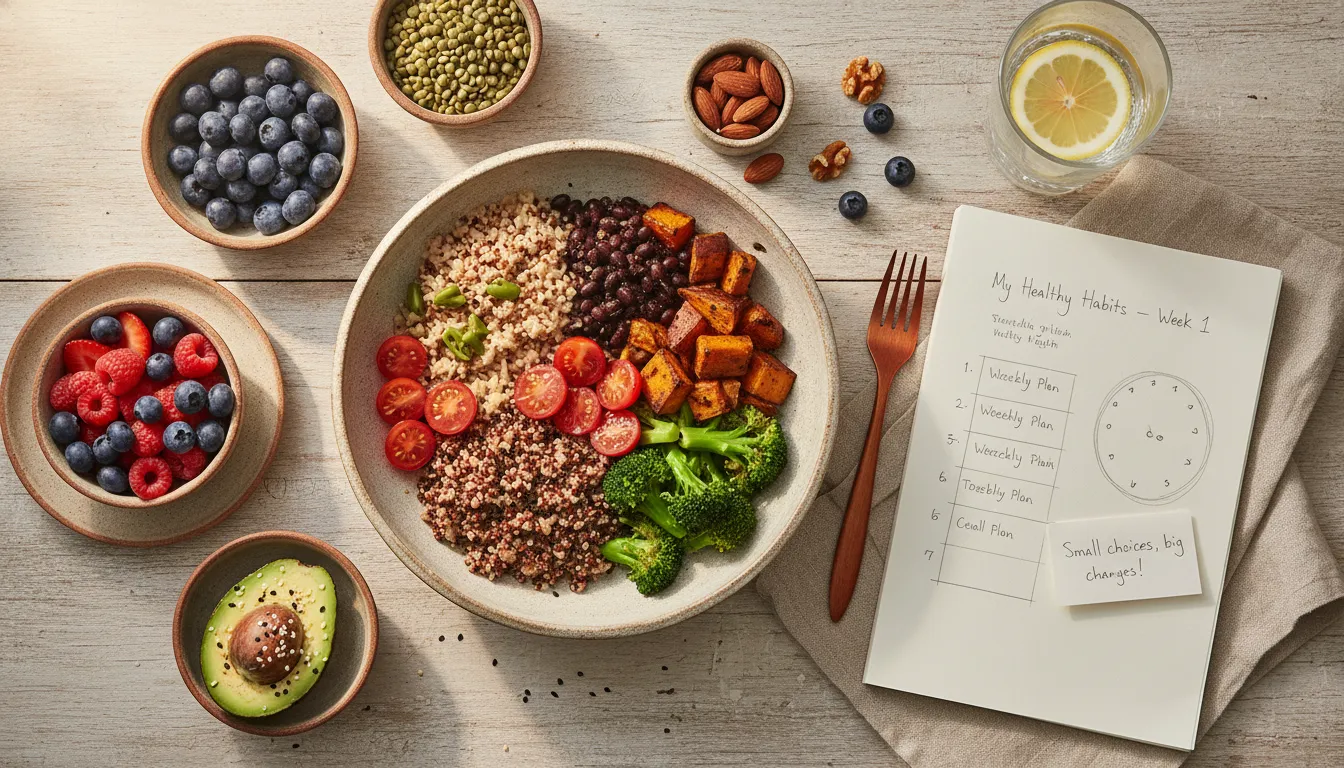
Dietary fibers are one of the clearest examples of how simple everyday choices can contribute, over time, to more robust health and balanced well-being. It’s not about following restrictive diets or seeking miraculous solutions — but about gradually cultivating a more conscious and diverse relationship with what we put on our plates.
Including more beans, opting for brown rice, adding a fruit to your afternoon snack: small gestures, practiced consistently, often make a real difference. And remember: these dietary habits add to other pillars of well-being, such as quality sleep, physical movement, and mental health care.
Take care of yourself with love, at your own pace, and always count on health professionals to guide your journey safely and personally.
This content is informative and educational and does not replace evaluation, diagnosis, or treatment by a qualified health professional. Always consult a doctor, nutritionist, or other qualified professional for guidance appropriate to your specific case.
- Stay well-hydrated. Fiber needs water to function properly. Maintaining good fluid intake throughout the day is essential.
- Start slowly. Increasing fiber too quickly can cause discomforts like gas and bloating. Transition gradually over weeks.
- Chia, flaxseed, almonds, and nuts also contribute to fiber intake, in addition to offering healthy fats.
- Broccoli, kale, spinach, pumpkin, beetroot, and carrots are vegetables that combine fiber with a host of other important nutrients.
- Mango, banana, apple (with skin), pear, orange, and papaya are examples of fruits with good fiber content and widely available in Brazil throughout the year.
- Oats, brown rice, quinoa, barley, and whole-grain bread are great options to replace refined versions in daily life.
- Insoluble fibers: do not dissolve in water and help increase stool bulk, facilitating intestinal transit. They are present in foods like wheat bran, whole grains, nuts, and the skins of fruits and vegetables.