
How to Sleep Better: Practical Tips for Restful Nights
Have you ever experienced that feeling of lying in bed completely exhausted, closing your eyes — and simply being unable to fall asleep? A racing mind, a restless body, thoughts that insist on appearing just when silence arrives. If that sounds familiar, know that you’re not alone. Sleep difficulties are extremely common and affect people of all ages, routines, and lifestyles.
Sleep is one of the most essential functions of our organism. During nighttime rest, the brain consolidates memories, the body recovers, important hormones are regulated, and the immune system strengthens. The World Health Organization (WHO) recognizes sleep as a fundamental pillar of health, alongside balanced nutrition and physical activity. Yet it’s often the first thing sacrificed when life gets busy.
The good news is that there are practical, evidence-based strategies that can help improve sleep quality — and most of them don’t require any products or investment. In this article, you’ll find welcoming and honest information to better understand your rest and take some steps toward more peaceful nights. Always remembering: each person is unique, and a healthcare professional is best suited to evaluate your case individually.
What Happens When We Sleep Poorly?
Before discussing solutions, it’s worth understanding the impact of insufficient or poor-quality sleep on daily life. When we sleep less than needed — or when sleep is fragmented and non-restorative — the body pays the price.
Studies suggest an association between chronic sleep deprivation and increased risk of problems such as mood alterations, difficulty concentrating, weakened immunity, and metabolic imbalances. From an emotional perspective, poorly slept nights tend to amplify feelings of anxiety and irritability, creating a difficult cycle to break: the more anxious you are, the harder it is to sleep; the less you sleep, the harder it is to manage the next day’s emotions.
It’s important to note that occasional sleep difficulties — during periods of stress, routine changes, or adjustments — are quite common and usually temporary. The problem becomes more relevant when the pattern repeats for weeks or months, interfering with quality of life.
Understanding Your Sleep Rhythm
Our body has an internal biological clock called the circadian rhythm, which regulates sleep-wake cycles over 24 hours. This clock responds mainly to light — daylight signals “time to wake up and act”; darkness signals “time to rest.”
Melatonin, a hormone produced by the pineal gland, plays a central role in this process: its production naturally increases at night, preparing the body for sleep. Anything that interferes with this mechanism — such as intense exposure to artificial light at night or very irregular sleep schedules — can make falling asleep difficult and reduce sleep quality.
Understanding this rhythm is an important first step in creating sleep-friendly habits.
Sleep Hygiene: What It Is and Why It Matters
The term sleep hygiene may sound strange at first, but it refers to a set of habits and environmental conditions that, according to scientific literature, tend to promote more restful nights. It’s not a magic formula, and results vary from person to person — but the practices are simple, safe, and worth trying.
Habits That Often Help
- Maintain regular schedules. Trying to sleep and wake at the same times — including on weekends — helps “synchronize” your biological clock. Over time, your body begins to naturally anticipate sleep time.
- Create a wind-down ritual. In the 30 to 60 minutes before bed, signal to your body that it’s time to relax. This can include light reading, a warm bath, soft music, or a few minutes of conscious breathing.
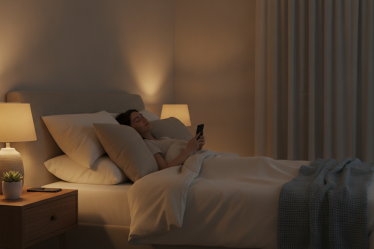
- Reduce screen exposure at night. The blue light emitted by phones, tablets, and televisions can interfere with melatonin production. Studies suggest that reducing screen use in the hours before sleep can contribute to easier sleep onset.
- Care for your bedroom environment. A dark, cool, and quiet environment typically promotes deeper sleep. Invest in appropriate curtains, reduce noise when possible, and maintain a comfortable temperature.
- Avoid caffeine and alcohol at night. Caffeine (found in coffee, teas, soft drinks, and energy drinks) has a stimulating effect that can last for hours. Alcohol, although causing initial drowsiness, tends to fragment sleep in the following hours.
- Be careful with long naps during the day. Short naps (15 to 20 minutes) can be invigorating, but long or late naps can make nighttime sleep difficult.
The Relationship Between Mind and Sleep
Anxiety, worries, and racing thoughts are one of the most common causes of sleep difficulties. There is an intimate connection between mental health and sleep quality — and it works both ways.
Relaxation and mindfulness practices have been studied as complementary strategies to help calm the mind before sleep. If you’re unfamiliar with mindfulness, you can explore the article Mindfulness for beginners: how to start with calm to take your first steps gently.
Another strategy some people find helpful is thought journaling. Before bed, briefly writing down what’s on your mind — worries, next-day tasks, emotions — can help “unload” your mind and facilitate disconnection. You can be inspired by the text Personal diary: what writing can do for you to discover how this practice can work in your daily life.
If anxiety is a frequent companion to your nights, it’s very worth talking to a psychologist or other mental health professional. There’s no reason to face this alone — and seeking support is an act of self-care.
Food, Exercise, and Sleep: How It All Connects
What we eat and how we move throughout the day also influences sleep quality.
Regarding food, very heavy meals or those eaten too close to bedtime can cause discomfort and damage rest. In general, balanced and varied nutrition throughout the day — without nighttime excess — tends to be more favorable to sleep.
Regular physical activity is one of the most studied interventions for sleep improvement. Research suggests that people who exercise regularly tend to report better sleep quality. However, very intense exercise close to bedtime can have a stimulating effect on some people — so it’s worth observing how your body responds. If you sit for many hours during the day, small movement breaks also make a difference.
When to Seek Professional Help
Despite all the tips above being useful for many people, there are situations where it’s essential to seek expert evaluation. Consider seeing a doctor or healthcare professional if:
- Sleep difficulties persist for more than a few weeks, even with habit adjustments
- You snore intensely, wake gasping, or have periods of breathing cessation during sleep (possible signs of sleep apnea, a treatable condition)
- Daytime fatigue significantly interferes with your activities, work, or relationships
- You wake up very early and can’t fall back asleep, especially accompanied by persistent sadness
- You have very anxious or intrusive thoughts that make relaxation difficult
- You’re already using sleep medications and want to reassess that use
None of these situations should be a source of shame. Professionals such as clinical doctors, neurologists, pulmonologists, and psychologists can offer appropriate evaluation and, when necessary, evidence-based treatments — such as Cognitive-Behavioral Therapy for Insomnia (CBT-I), which is considered by scientific literature as a first-line approach for chronic insomnia.
If you’re experiencing intense emotional distress and it has affected your sleep and quality of life significantly, remember: support exists. You can talk to trusted people, seek a mental health professional, or, in times of crisis, call the CVV (Center for Life Assessment): 188 — free call, available 24 hours a day, throughout Brazil.
Conclusion: Small Steps, Big Differences

Sleeping well is not a luxury — it’s a basic human necessity and a profound act of self-care. Although there is no single formula that works for everyone, cultivating a consistent routine, creating an environment favorable to rest, and caring for mental and physical health in an integrated way are paths that tend to make a difference over time.
Be kind to yourself in this process. Habit changes take time, and difficult days (or nights) will happen — that’s human. The important thing is to keep caring for yourself, with patience and without excessive self-criticism.
If difficulties persist or you have questions about your specific case, seek a healthcare professional. Taking care of your sleep is taking care of your life.
This content is informative and educational, and does not replace evaluation, diagnosis, or treatment by a qualified healthcare professional. Each person has a unique story and needs — for your specific case, always consult a doctor or qualified professional.