

When the Mind Suffers, the Body Feels: The Connection Between Stress and Physical Health
Have you ever noticed that during the most stressful times in life, your body seems to collapse along with your mind? A week of tight deadlines at work, and here comes the headache. A prolonged family conflict, and your stomach starts to complain. This phenomenon is neither a coincidence nor “nonsense” — it is a real biological response, studied for decades by science and recognized by organizations like the World Health Organization (WHO).
Stress is a part of human life. In moderate doses and in specific situations, it can even be useful: it keeps us alert in the face of challenges and motivates us to act. The problem begins when it ceases to be temporary and becomes a permanent state. That’s when the body starts to pay a high — and often silent — price.
This article was written to help you understand, in a clear and supportive way, how chronic stress affects the body, which systems are most impacted, and what scientific studies suggest about ways to manage this relationship. Remember: this content is educational and general, and does not replace the assessment of a healthcare professional. Each person is unique, and specialized follow-up is always the safest path.
What Happens in the Body When You Are Stressed
When we perceive a threat — real or imagined — the brain triggers a series of chain reactions. The amygdala, a structure linked to emotional processing, sends an alert signal to the hypothalamus, which in turn activates the autonomic nervous system. The result is the release of hormones such as adrenaline and cortisol.
These hormones have important short-term functions:
- Increase heart rate and blood pressure
- Redirect blood to the muscles
- Elevate blood glucose levels
- Sharpen attention and reflexes
This set of reactions is known as the “fight or flight” response, and it was crucial for the survival of our ancestors in the face of predators. The problem is that the modern human brain does not distinguish well between a lion on the savannah and a difficult meeting with the boss. When the trigger repeats daily, the body remains in a constant state of alert — and begins to wear out.
Chronic Stress and the Cardiovascular System
One of the systems most affected by prolonged stress is the cardiovascular system. Keeping blood pressure and heart rate elevated for long periods overburdens the heart and blood vessels.
Peer-reviewed studies, including research published in journals like the European Heart Journal, suggest that chronic stress is associated with an increased risk of cardiovascular events. The WHO recognizes psychosocial factors — including stress — as part of the determinants of heart health.
In addition to the direct effect of stress hormones, there is also an indirect effect: people under intense stress tend to sleep poorly, eat less balanced diets, smoke more, or move less — behaviors that, by themselves, already increase cardiovascular risk.
The Impact on the Immune System
Cortisol, at normal levels, has an anti-inflammatory function and helps regulate the immune system. However, when released in excess and for prolonged periods, it can have the opposite effect: weakening the body’s defenses.
Research in the field of psychoneuroimmunology — which studies the relationship between the mind, nervous system, and immunity — indicates that chronic stress can:
- Reduce the effectiveness of defense cells, such as lymphocytes
- Increase the production of inflammatory markers
- Make the body more vulnerable to infections
This may explain why, after very stressful periods, some people find they get sick more often. It’s the body signaling that something needs to change.
Stress, Digestion, and the Gut-Brain Axis
Did you know that the gut has its own nervous system, with millions of neurons, and communicates directly with the brain? This bidirectional communication axis — called the gut-brain axis — explains why intense emotions so often manifest in the digestive system.
During stressful situations, the body redirects energy to systems considered “essential” for immediate survival, which can slow down or deregulate digestion. Common symptoms include:
- Nausea and abdominal discomfort
- Changes in bowel rhythm (diarrhea or constipation)
- Worsening of conditions like irritable bowel syndrome
- Reflux and heartburn
Studies also suggest that prolonged stress can alter the composition of the gut microbiota — the set of microorganisms that inhabit the gut and play a fundamental role in overall health.
Sleep, Muscle Tension, and Other Body Signals
Stress and sleep have a complicated relationship. The constant state of alert makes it difficult to relax enough to fall asleep and reach the deeper, restorative stages of sleep. At the same time, sleep deprivation amplifies the stress response — creating a cycle that can be difficult to break without support.
Other common physical signs of chronic stress include:
- Tension and muscle pain, especially in the neck, shoulders, and head
- Tension headaches
- Skin changes, such as worsening inflammatory conditions
- Persistent fatigue, even after rest
- Changes in libido
It’s important to note that these symptoms can have various causes. If you are experiencing them, it is ideal to seek medical evaluation to investigate what is happening — and not assume it is “just stress.”
What Studies Suggest May Help
The good news is that there are strategies that, according to scientific literature, often contribute to stress regulation and its effects on the body. None of them are a magic solution or work identically for everyone — but the accumulation of evidence points to some consistent directions.
Practices That Can Make a Difference
- Regular physical activity — Moderate aerobic exercises, such as walking, swimming, or cycling, are associated with reduced stress markers and improved mood. You can learn more in our article Can Physical Exercise Improve Mood? Understand How.
- Relaxation techniques — Practices like diaphragmatic breathing, progressive muscle relaxation, and mindfulness meditation have a growing evidence base for reducing the stress response. See more at How Relaxation Exercises Help Well-being.
- Quality sleep — Maintaining a regular sleep routine, with consistent schedules and an appropriate environment, can be as important as any other intervention.
- Balanced diet — A varied diet, rich in natural foods, is often associated with better mood regulation and inflammation, although there is no “anti-stress diet” with guaranteed results for everyone.
- Social connections — The emotional support of trusted people — family, friends, support groups — is recognized as an important protective factor for mental and physical health.
- Psychotherapy — Approaches like Cognitive Behavioral Therapy (CBT) have solid evidence for managing stress and associated conditions, such as anxiety and depression. Having the support of a psychologist can be a significant path.
A Note on Complementary Therapies
Practices like acupuncture, yoga, and meditation have been increasingly studied in the context of stress. Some research shows promising results for subjective well-being and the reduction of physical symptoms associated with stress — but the evidence still varies in quality and scope. These practices can be considered complementary to conventional treatment, never as substitutes. Talk to your doctor or healthcare professional before adopting any new practice, especially if you already have a health condition.
When to Seek a Healthcare Professional
Some signs indicate that stress may be affecting your health more seriously — and that seeking specialized help is essential:
- Persistent physical symptoms (pain, palpitations, frequent digestive problems) without identified cause
- Difficulty sleeping for weeks on end
- Constant feeling of exhaustion, even after rest
- Anxiety or sadness that seem difficult to control
- Increasing use of alcohol, medication, or other substances to cope with stress
- Intrusive thoughts, difficulty concentrating, or impaired memory
In these cases, doctors, psychologists, and psychiatrists are prepared to assess what is happening and indicate the best path for each situation. Don’t wait until you reach your limit to ask for help — taking care of yourself is an act of responsibility, not weakness.
If you are going through a moment of intense suffering or crisis, know that support is available. In Brazil, the CVV (Centro de Valorização da Vida) offers free assistance at 188, 24 hours a day. In emergency situations, seek the nearest emergency room.
Conclusion: Caring for the Mind is Caring for the Body
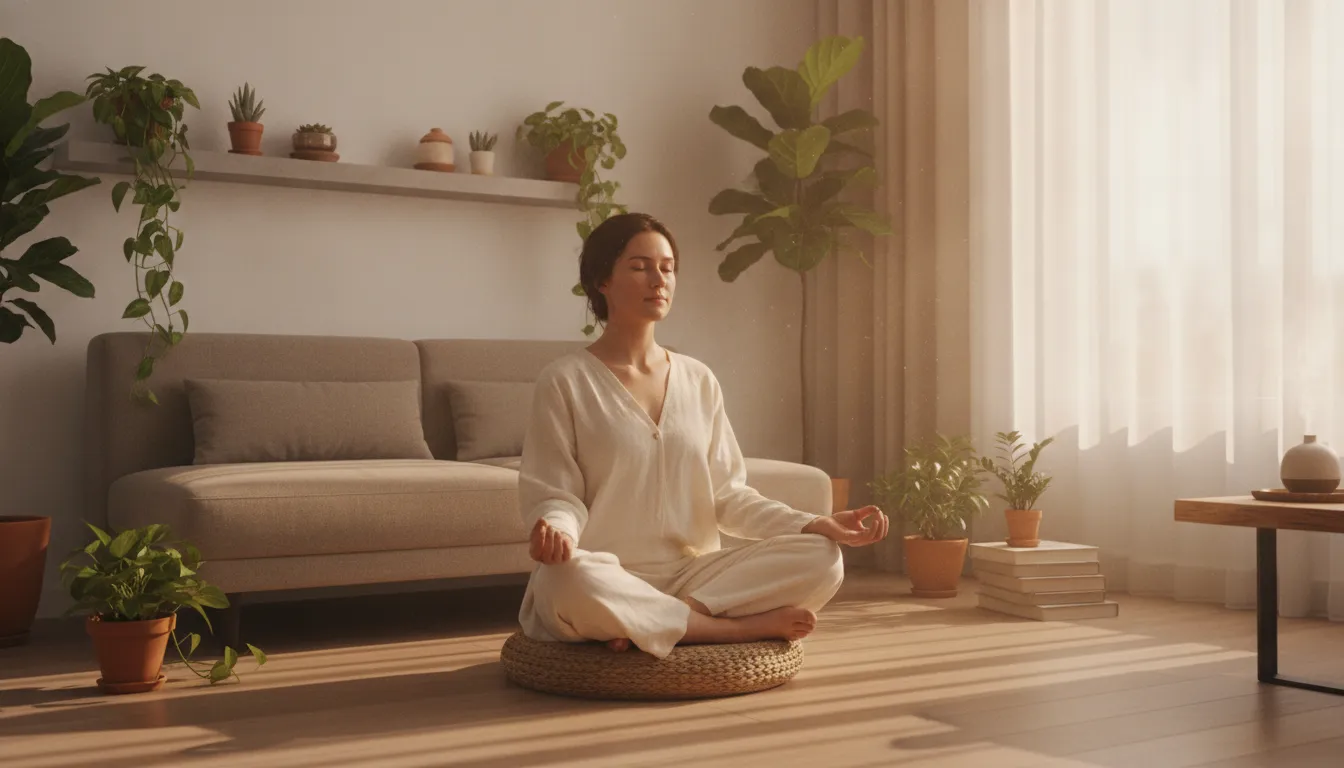
The relationship between stress and physical health is deep, complex, and very real. The body does not separate what we feel from what we experience — it carries everything together. Recognizing this is not a reason for alarmism, but rather for awareness and self-care.
Small habit changes, a support network, and — when necessary — the guidance of healthcare professionals can make a significant difference in quality of life. You don’t have to solve everything alone, and seeking help is always a courageous choice.
Take care of yourself with kindness.
This content is for informational and educational purposes only. It does not replace the evaluation, diagnosis, or treatment by a qualified healthcare professional. Always consult a doctor, psychologist, or other qualified professional for guidance on your individual health.