
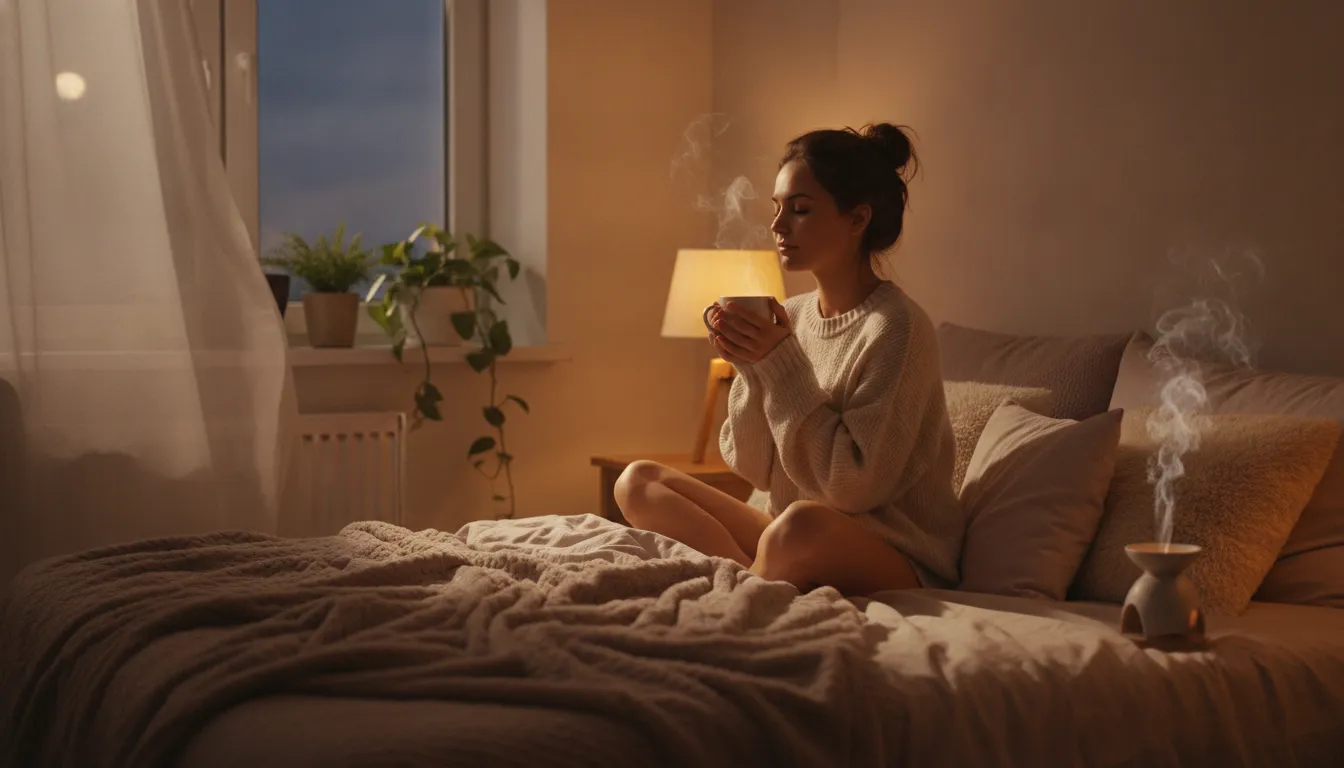
Effective Nighttime Relaxation Techniques for Better Sleep
Have you ever gone to bed exhausted, turned off the light and… nothing? Your mind keeps racing, thoughts from the day won’t stop, and sleep just doesn’t come? This experience is more common than it seems. In an increasingly fast-paced world, where the lines between work, personal life, and rest time have become quite blurred, preparing the body and mind for sleep has become a real challenge for many people.
The good news is that there are accessible and scientifically backed practices that often help ease the transition from the day’s alert state to the restorative rest of the night. These aren’t magic recipes or guaranteed results—each body is unique, and what works well for one person may need adjustments for another. But building a nighttime relaxation routine can be a gentle and powerful step towards more peaceful nights.
In this article, you’ll find evidence-based information on why pre-sleep relaxation matters and how to incorporate simple practices into your daily routine. Remember: this content is educational and general and does not replace the evaluation of a healthcare professional.
Why Does the Mind Hinder Sleep?
To understand how to relax, it helps to first understand what happens when the body is “on.” The autonomic nervous system has two main modes of operation: the sympathetic, associated with alertness and stress response, and the parasympathetic, linked to rest, digestion, and recovery.
When we spend the day responding to urgent emails, consuming news, managing conflicts, and switching between dozens of digital stimuli, the sympathetic system remains activated for long periods. When it’s time to sleep, the body doesn’t “switch off” automatically—it needs time and clear signals that the time for rest has arrived.
Studies in the field of sleep medicine suggest that sleep quality is directly related to what we do in the hours leading up to it. Habits like using screens late, exposure to intense blue light, consuming caffeine in the afternoon, and lacking a consistent routine can hinder the production of melatonin—the hormone that signals the brain it’s time to sleep.
The Concept of Sleep Hygiene
The term sleep hygiene may sound strange, but it is widely used by sleep medicine specialists to describe a set of behaviors and environmental conditions that promote quality nights. The World Health Organization (WHO) and various medical societies recognize the importance of good sleep hygiene practices for overall health.
Some of the most discussed pillars include:
- Maintaining regular sleep and wake times, including on weekends
- Reserving the bedroom primarily for sleeping, reducing other stimuli in the environment
- Keeping the environment dark, quiet, and at a comfortable temperature
- Avoiding heavy meals and stimulating drinks in the hours before sleep
- Limiting screen use—especially phones and tablets—close to bedtime
None of these habits work as a standalone solution, but together they often help the body find it easier to enter a state of rest.
Relaxation Practices That Can Help
Mindful Breathing
One of the simplest and most studied tools to activate the parasympathetic nervous system is slow and intentional breathing. When we breathe more deeply and slowly, we send a signal of safety to the brain—the opposite of what happens during stress, when breathing becomes short and rapid.
A practice often recommended by health professionals and mindfulness instructors is four-count breathing: inhale counting to four, hold for four, exhale for four, and pause for another four. There is no single or mandatory protocol—the most important thing is to find a comfortable and sustainable rhythm for you. Practice for a few minutes while still sitting or lying down.
Progressive Muscle Relaxation
Originally developed by physician Edmund Jacobson in the early 20th century, this technique involves tensing and relaxing muscle groups sequentially, usually from the feet to the head. The goal is to help the person perceive the difference between tension and relaxation in their own body.
Research suggests that this practice can help reduce physical tension associated with stress and facilitate sleep onset. To try it, lie down comfortably, start with your feet—contract the muscles for a few seconds and then release—and work your way up the body, one muscle group at a time.
Meditation and Mindfulness
The practice of mindfulness, or full attention, has been increasingly studied in relation to sleep quality. Research published in behavioral medicine journals suggests that regular meditation practices can help reduce intrusive thoughts at night and improve subjective rest perception.
No prior experience is necessary: starting with five or ten minutes of breath observation, without judgment, can be a starting point. There are free apps and audio guides in Portuguese that guide meditations specifically for sleep.
Therapeutic Writing or Gratitude List
Putting thoughts on paper before bed can help “empty” the mind. A simple practice is to briefly write down what was left pending from the day, what you plan for tomorrow, or what you are grateful for at that moment.
Studies suggest that the habit of recording positive aspects of the day—a form of practicing gratitude—can have favorable effects on emotional well-being and sleep quality. If you want to learn more about how gratitude can contribute to mental health, check out the article Practice Gratitude Daily and Take Care of Your Mind.
Aromatherapy and Other Complementary Resources
Some resources like aromatherapy, warm baths, and herbal teas are often part of many people’s nightly routines. It’s important to be honest about what scientific evidence shows regarding these practices.
The warm bath, for example, has interesting support: the drop in body temperature after the bath mimics a natural process that occurs when the body prepares for sleep, and this can facilitate falling asleep.
Aromatherapy—the use of essential oils like lavender, for example—shows mixed results in available studies. Some research suggests a modest relaxing effect, but there is still not enough robust evidence for definitive claims. It can be a pleasant complement to the routine of those without allergies or sensitivities but should not be seen as a substitute for medical treatment. To better understand what science says, see the article Does Aromatherapy Work? See What the Evidence Says.
Teas like chamomile and valerian are popular, but it is always advisable to talk to a health professional before using them regularly—especially if you are taking medications or have specific health conditions.
Creating Your Own Nighttime Routine
Creating a routine doesn’t have to be complicated. The idea is to establish a sequence of consistent signals that help your body understand that the day is ending. Here’s a simple example of how to organize the last 30 to 60 minutes before sleeping:
- Reduce screens—put away your phone at least 30 minutes before bed
- Dim the lighting in the room, opting for warmer, softer lights
- Take a warm bath, if it’s part of your routine
- Practice a few minutes of slow breathing or progressive muscle relaxation
- Write briefly—a list of pending items, thoughts of the day, or three things you’re grateful for
- Read a physical book or listen to something calming, if it helps you relax
- Go to bed at a consistent time, even if sleep takes a few minutes to come
Consistency over time tends to be more important than perfection every night.
When to Seek a Healthcare Professional
The practices presented here are educational and general and can be helpful for people looking to improve comfort on common nights. However, some signs deserve professional attention:
- Persistent difficulty falling asleep or staying asleep for weeks or months
- Feeling unrested even after a full night’s sleep
- Loud snoring, pauses in breathing, or involuntary movements during sleep
- Excessive daytime sleepiness that interferes with activities
- Intense anxiety or racing thoughts that frequently prevent rest
- Symptoms of depression or other emotional distress associated with sleep
In these cases, doctors—such as general practitioners, neurologists, or psychiatrists—psychologists, and other health professionals can provide appropriate evaluation and personalized guidance. Do not try to manage situations causing significant distress on your own. Seeking help is an act of self-care, not weakness.
If you are going through a very difficult emotional time, know that support exists. In Brazil, the CVV (Centro de Valorização da Vida) is available at 188, free of charge, 24 hours a day. In emergency situations, seek medical attention.
Conclusion

Taking care of sleep is taking care of yourself. Creating a gentle and consistent nighttime routine doesn’t solve everything overnight, but it usually contributes—over time—to making rest a more natural and less conflicting part of life. The secret, if there is one, lies in regularity, self-compassion, and the willingness to patiently experiment with what works best for you.
Each person has a different rhythm, history, and needs. Allow yourself to observe your body, respect it, and whenever necessary, seek the support of qualified professionals.
This content is informative and educational and does not replace the evaluation, diagnosis, or treatment by a healthcare professional. Consult a doctor, psychologist, or other qualified professional for guidance appropriate to your case.
- Dim the lighting in the room, opting for warmer, softer lights
- Reduce screens—put away your phone at least 30 minutes before bed